Tennessee Tops New Report on Parental Rights and Education Policies
The ongoing battle over educational content in public schools has intensified, with a new report shedding light on how states are navigating these contentious issues. The report from Defending Education ranks all 50 states and Washington, D.C., focusing on parental rights, diversity, equity, and inclusion (DEI), gender and sexuality policies, teacher and union regulations, and foreign influence. Tennessee emerges as the leader in this ranking, followed closely by Alabama, Florida, North Carolina, and Iowa. Conversely, Washington, D.C. finds itself at the bottom of the list, alongside Rhode Island, California, Oregon, and Illinois.
This ranking does not evaluate academic performance metrics like test scores or graduation rates. Instead, it aims to provide parents with a clear view of how their states are addressing the pressing issues they have raised in recent years, particularly regarding transparency in education. Paul Runko, senior director of strategic initiatives at Defending Education, emphasized that this report offers parents a valuable resource to assess their state's educational policies and hold local leaders accountable during elections.
Common Sense Shop
The United States of Common Sense
Amazon shopping links. Sponsor Complete!
In the report's parental rights category, North Carolina, South Carolina, Tennessee, and West Virginia all tied for the top position. These states received high marks for implementing policies that empower parents concerning their children's gender transitions, sex education, and participation in related lessons. Meanwhile, Georgia, Mississippi, North Carolina, and South Carolina achieved perfect scores in teacher policies, reflecting strong regulations regarding teacher unions, strikes, and collective bargaining.
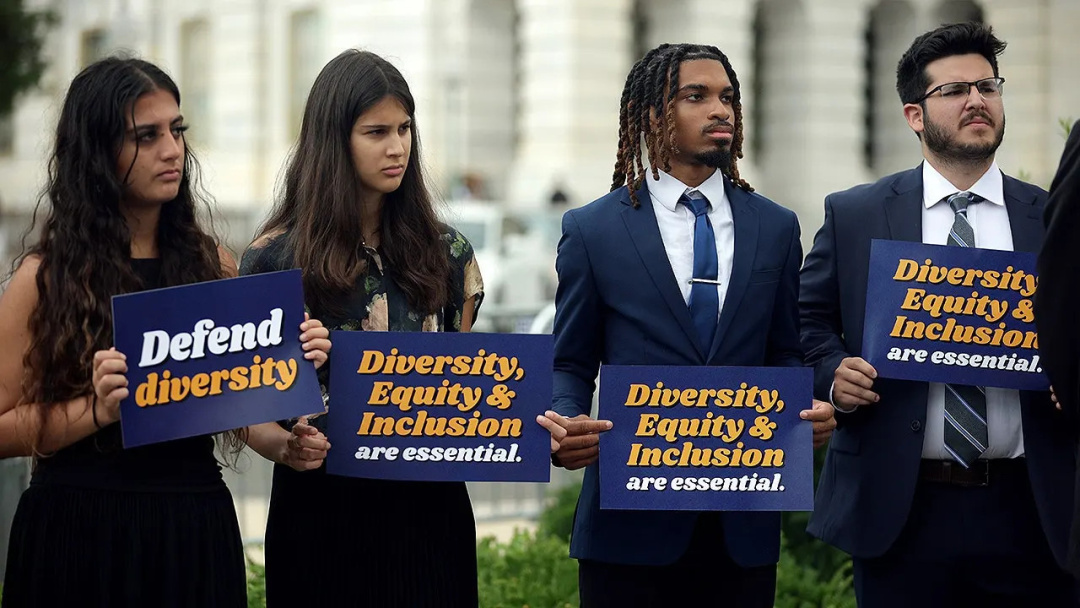
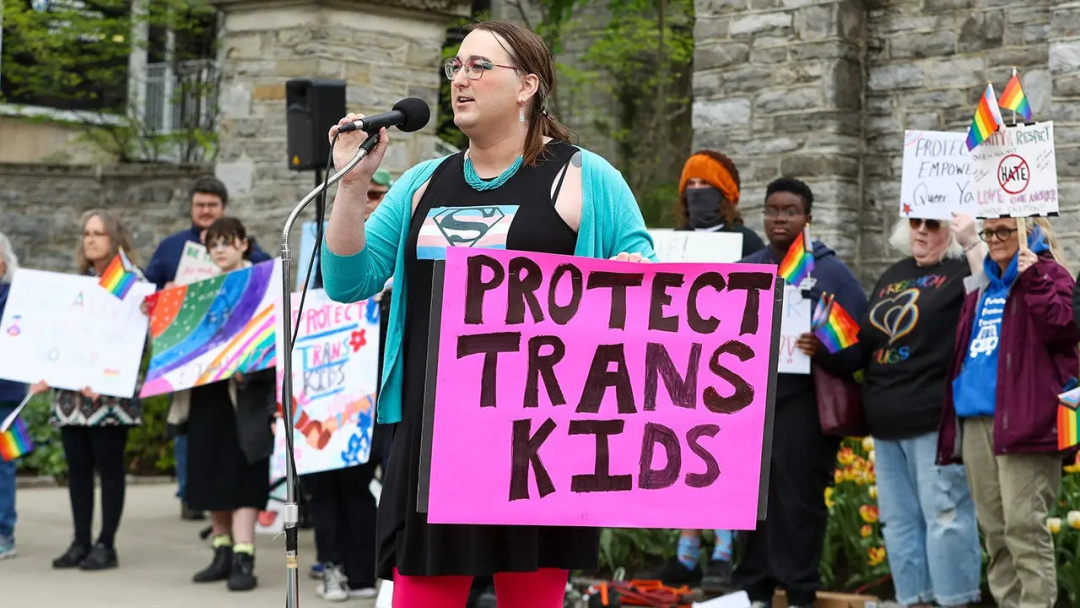
The DEI category saw Iowa, Missouri, and West Virginia leading the way, recognized for their laws that restrict DEI initiatives and address issues like restorative justice and antisemitism within educational frameworks. Another significant area of concern has been the debate surrounding gender identity and transgender athletes in sports. The report highlighted state policies that limit LGBTQ-specific curricula and regulate transgender athlete participation, with Alabama, Florida, and Indiana scoring the highest in this regard.
Addressing Foreign Influence in Education
Beyond classroom policies, the report also evaluated how states are managing foreign influence in education. Seven red states received perfect scores for their laws aimed at curtailing Chinese government influence, such as Confucius Institutes and other China-backed educational initiatives. Alabama, Florida, Indiana, North Carolina, Ohio, Tennessee, and Texas excelled in this category, reflecting a growing concern about external influences in American education.
The Common Sense Test
Dr. Terry Stoops, director of government affairs at Defending Education, congratulated the leading states for prioritizing educational integrity over what he termed "shameless antics." He criticized the leadership in the lowest-ranking states for compromising educational standards in favor of social justice agendas. Stoops' remarks underscore the urgency for parents in these bottom-ranked states to either advocate for change or consider alternatives for their children's education.
Despite the increasing adoption of DEI and social justice policies in many blue states, this report aims to equip parents with the knowledge they need to understand the implications of these policies on their children and future generations. The findings serve as a wake-up call for parents nationwide to engage actively in the educational landscape, ensuring their voices are heard and their children's rights are protected.