Congress Lacks Fiduciary Duty While Overspending Taxpayer Money
The U.S. Congress, responsible for managing the largest budget in the world, astonishingly lacks a broad fiduciary duty. While most large corporations appoint boards of directors to serve the interests of their stakeholders, Congress operates without such a legal obligation. This fiduciary duty, which requires representatives to act in the best interests of those they serve, is absent in the legislative branch, leaving taxpayers vulnerable to mismanagement and negligence.
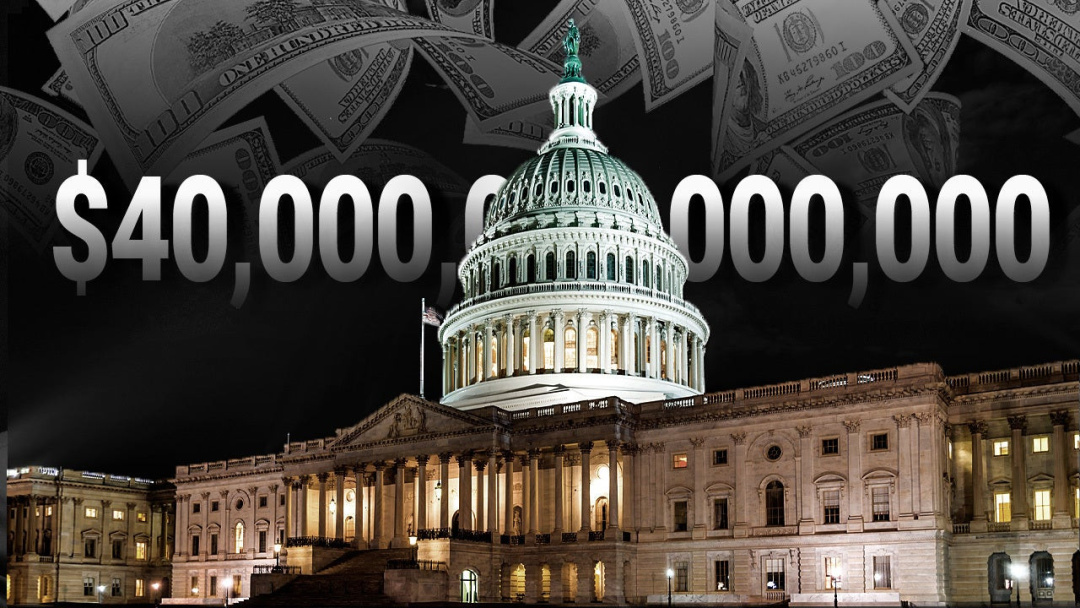
In the private sector, fiduciary relationships are established to ensure that those in positions of power act honestly and avoid conflicts of interest. However, Congress has managed to evade this responsibility. They may take a moral oath and follow some weak disclosure and ethics rules, but these measures fall short of creating a true fiduciary role. As a result, Congress has overseen a national debt that has now surpassed $40 trillion, with annual spending around $7 trillion, $2 trillion more than the revenue collected.
Common Sense Shop
The United States of Common Sense
Amazon shopping links. Sponsor Complete!
The consequences of this lack of accountability are dire. Inflation continues to rise, and taxpayers are now paying more in interest on the national debt than for national defense, which is one of the few legitimate functions of government. The fiscal irresponsibility of Congress has resulted in policies that favor select groups at the expense of the broader public, enriching some lawmakers through stock trading despite the existence of the STOCK Act of 2012.
Calls for term limits, which a significant majority of Americans support, have been ignored, often leaving members of Congress in positions of power long past their effectiveness. This raises the question: how can we expect Congress to act in the best interests of the American people when they have no legal obligation to do so?
Accountability in Congressional Spending Practices
The national debt crisis is solvable, but it requires a political structure that holds Congress accountable for its actions. If our representatives are not compelled to prioritize the interests of their constituents, then the cycle of overspending and mismanagement will continue unabated. The only recourse available to voters is the threat of being voted out of office, which is not a sufficient mechanism for ensuring responsible governance.
The Common Sense Test
It is fundamentally unjust that those in the private sector must adhere to fiduciary obligations while Congress operates without such constraints. When individuals in power are not required to act in the best interests of those they represent, it is no surprise that we find ourselves grappling with a dysfunctional government and escalating debt.
To restore trust and accountability, we must demand that Congress adopt a legal fiduciary duty to act in the best interests of the American people. This obligation should not be merely theoretical; it must be enforceable. Without such a requirement, the current trajectory of government spending and national debt will only lead to further dysfunction and economic instability. The American people deserve representatives who prioritize their interests over personal gain, and it is time to hold Congress accountable for its actions.