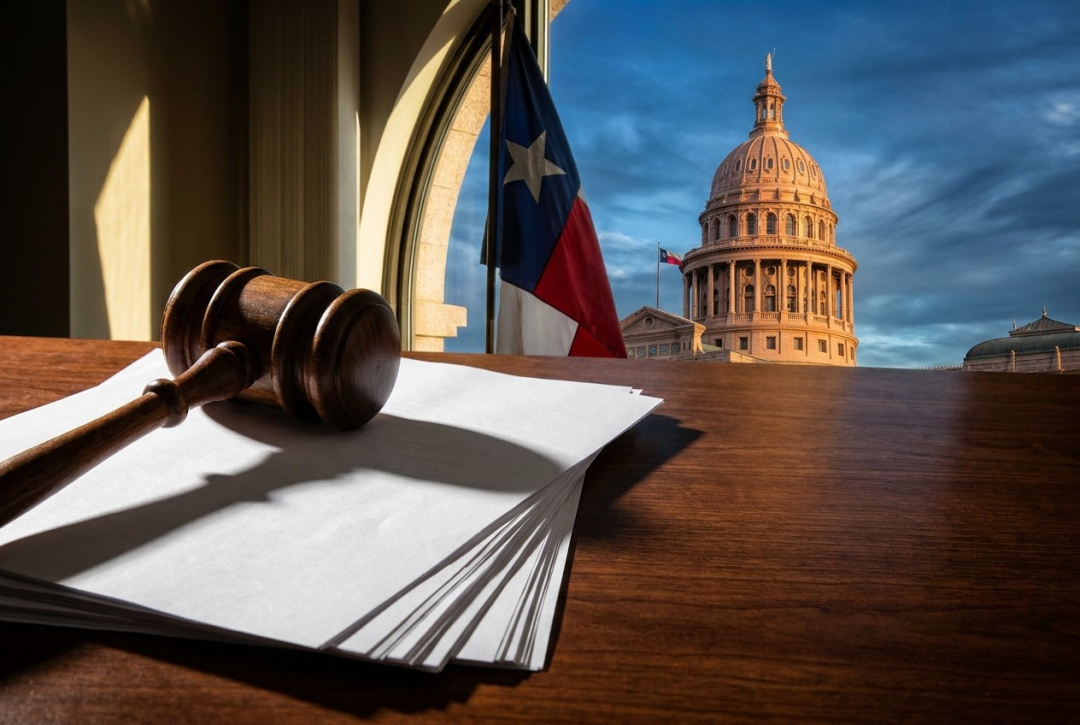
Senate Democrats Reject Bill to Lower Data Center Electricity Costs

In a significant political maneuver, Senate Democrats have blocked a Republican-backed bill that sought to alleviate electricity costs for data centers. This legislation, which had garnered overwhelming support in the House, aimed to transfer a larger share of grid upgrade costs onto the data centers themselves. The bill's progress was halted in the Senate after a unanimous-consent request was denied, with Democrats contending that the proposal did not go far enough to address the broader issues at hand. This turn of events leaves the bill's future uncertain and suggests that any federal action regarding the rising electricity costs tied to data centers may require a more unified bipartisan effort.
The implications of this legislative blockage extend beyond mere politics; they have also affected prediction markets regarding the likelihood of Texas implementing a data center moratorium by the end of 2026. Following the Senate's decision, there has been a notable decline in the probability of such a moratorium occurring. Market observers have interpreted the Senate's actions as diminishing the chances for immediate regulatory changes in Texas, leading to a sharp drop in the probability percentages associated with the moratorium, now sitting at just 9.5%, down from 48% within a mere 24-hour period.
Common Sense Shop
The United States of Common Sense
Amazon shopping links. Sponsor Complete!
This dramatic shift in market sentiment underscores the broader concerns about the feasibility of any legislative measures aimed at addressing the escalating electricity costs linked to data centers. The current political landscape suggests that without a significant legislative breakthrough, the prospects for a moratorium or other regulatory actions in Texas are bleak.
As the situation unfolds, attention now turns to the potential responses from Texas state officials, including Governor Greg Abbott and the Texas Legislature. Their actions or lack thereof could significantly influence future market expectations and the possibility of revisiting the stalled legislation. The need for a bipartisan compromise is evident, as it could potentially revive discussions around the bill and alter the trajectory of energy policy in Texas.
The Common Sense Test
Ultimately, the rejection of this bill raises critical questions about the direction of energy policy in the United States. As data centers continue to proliferate, the challenge of managing their electricity costs becomes increasingly pressing. The path forward will require not only legislative action but also a recognition of the economic realities that these facilities face. Without a concerted effort to address these issues, the burden of rising energy costs will likely continue to fall on consumers and businesses alike, highlighting the need for pragmatic solutions that align with conservative principles of fiscal responsibility and limited government intervention.