Venezuelan Delivery Driver Shot by ICE Officer Undergoes Surgery
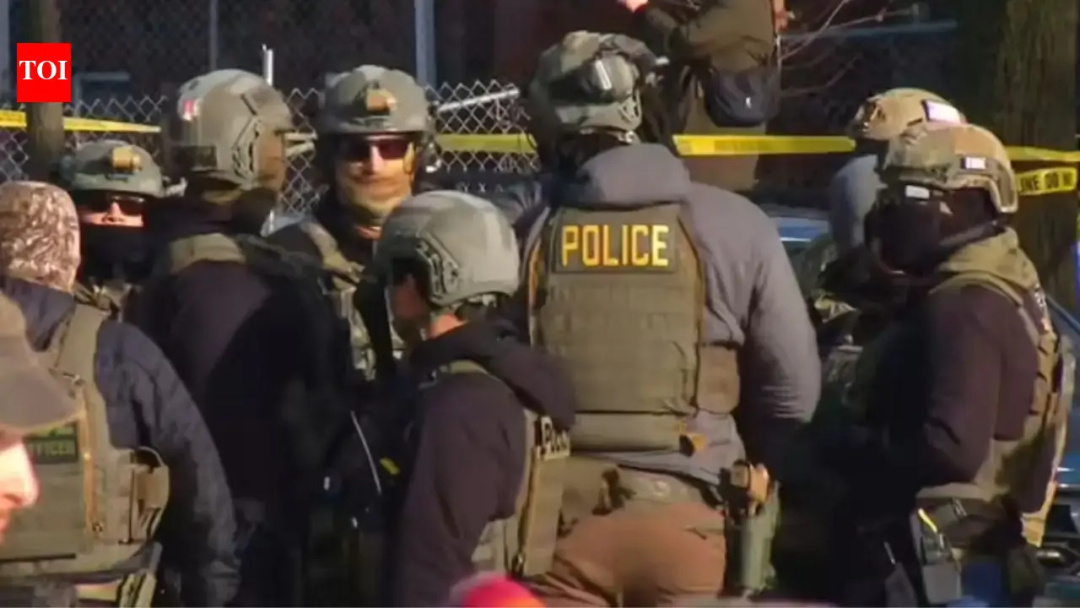
Wilber Rafael Garces Perez, a 28-year-old Venezuelan delivery driver, was shot by a U.S. Immigration and Customs Enforcement (ICE) officer in Austin, Texas, on September 20. The incident occurred after Garces Perez allegedly fled a traffic stop, leading to a brief vehicle pursuit. According to federal prosecutors, during the pursuit, his side-view mirror struck an ICE officer, prompting the officer to fire at Garces Perez, hitting him in the back. The officer was reportedly not wearing a body camera during the incident.
After being shot, Garces Perez was taken to a hospital, where he remained for nearly two weeks before being transferred to ICE custody with the bullet still lodged near his spine. His legal team expressed concerns that the bullet's position could impact sensation on the left side of his body. On October 2, he underwent surgery to remove the bullet and is currently recovering while in the custody of the U.S. Marshals.
Common Sense Shop
The United States of Common Sense
Amazon shopping links. Sponsor Complete!
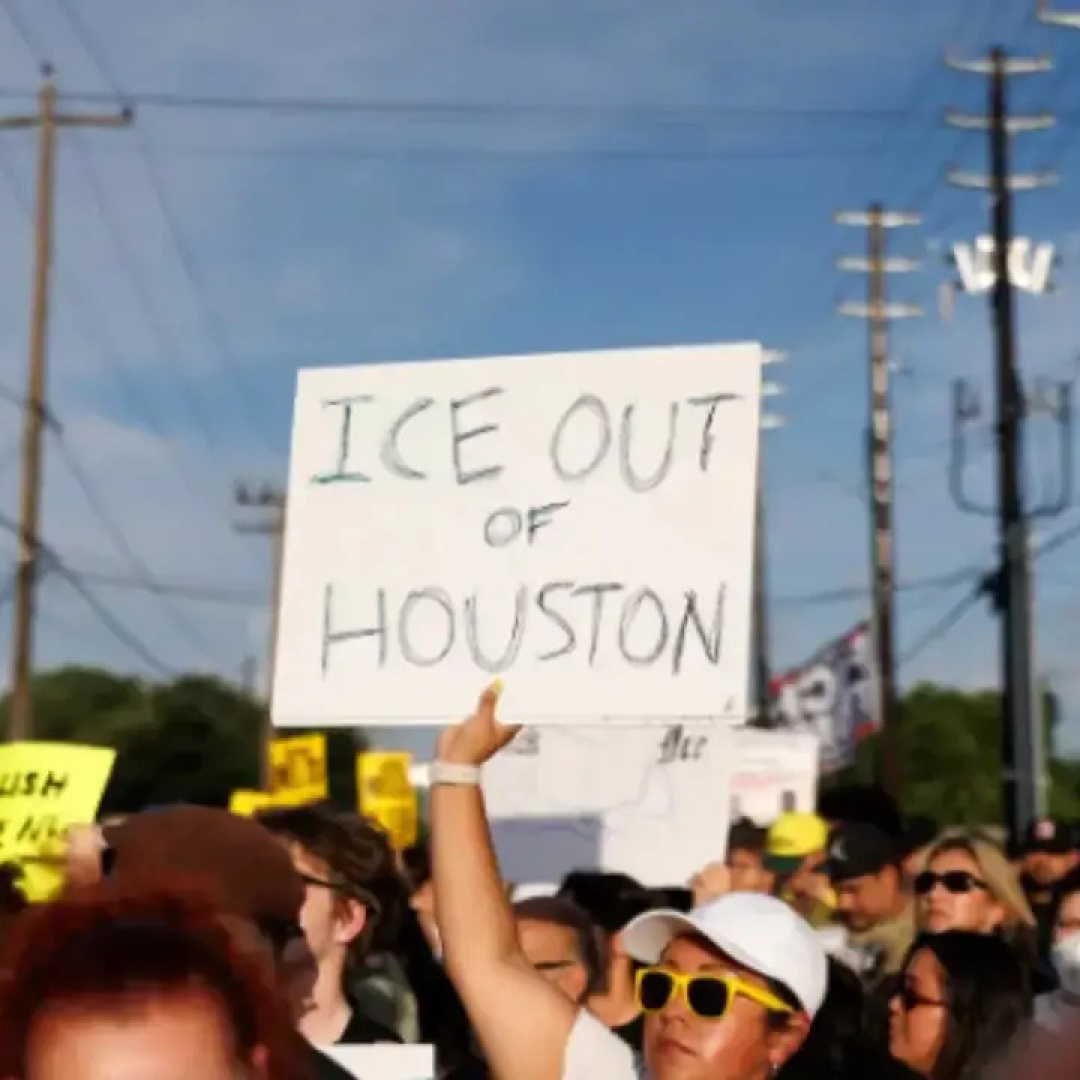
Garces Perez appeared in federal court in a wheelchair, with his left arm in a sling. He faces charges of assaulting and resisting a federal officer, which could lead to a prison sentence of up to 20 years if he is convicted. The circumstances surrounding the shooting have led to significant public outcry and protests in Austin, particularly against the backdrop of the Trump administration's immigration enforcement policies.
Implications for Immigration Enforcement Practices
The case has drawn attention not only for the violent encounter but also for the broader implications it holds for immigration enforcement and the conduct of federal officers. Garces Perez has disputed the official narrative, claiming that a law enforcement SUV struck his vehicle, causing it to spin before he was shot. This assertion raises questions about the use of force and the protocols followed by ICE officers during such encounters.
The Common Sense Test
As the legal proceedings unfold, this incident highlights the ongoing tensions surrounding immigration enforcement in the United States. Many are calling for accountability and a re-evaluation of how federal agencies engage with individuals during enforcement actions. The lack of body camera footage from the officer involved adds another layer of complexity to the case, as it limits the available evidence to assess the situation accurately.
The implications of this case extend beyond Garces Perez's individual circumstances. It underscores a critical examination of immigration enforcement practices and the need for transparency and accountability within federal law enforcement agencies. As the public continues to scrutinize the actions of ICE, the question remains: how can we ensure that enforcement actions are conducted with the utmost regard for individual rights and public safety? This incident serves as a reminder of the delicate balance that must be maintained in the pursuit of law and order, particularly in matters as sensitive as immigration enforcement.