David Rivera Sentenced to 10 Years for Illegal Venezuela Lobbying
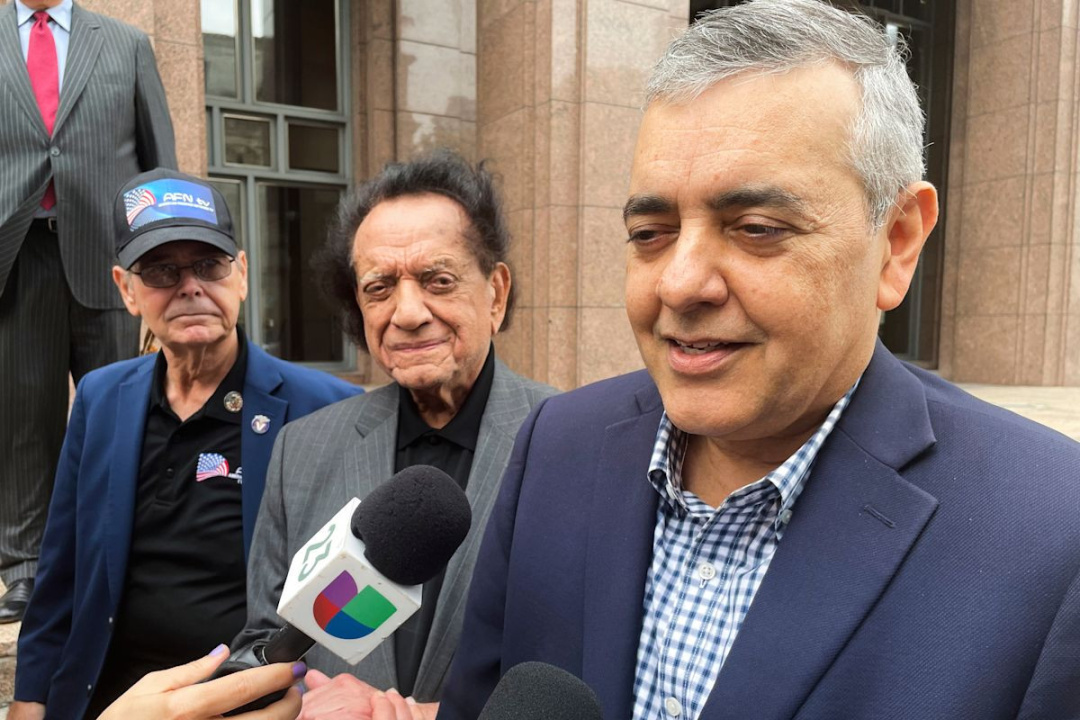
Former Congressman David Rivera was sentenced to ten years in prison for his involvement in a secretive $50 million lobbying effort on behalf of Venezuela's government during the Trump administration. Rivera, a Republican and a close associate of U.S. Secretary of State Marco Rubio, was found guilty in May on charges including failing to register as a foreign agent and conspiracy to commit money laundering. His sentencing on Friday follows a trial that revealed the intricate web of foreign influence operations in Miami, a city known for its political connections to Latin America.
Judge Melissa Damian expressed her disapproval of Rivera's actions, emphasizing that he had betrayed his public service mission. She noted that had the funds come from the Cuban regime instead of Venezuela, the public reaction would have been vastly different. "Nobody would accept that's okay and I don't think this is different," the judge remarked. This case underscores the ongoing challenges of foreign lobbying and the ethical implications of political relationships.
Common Sense Shop
The United States of Common Sense
Amazon shopping links. Sponsor Complete!
The trial provided a rare insight into how Miami serves as a hub for foreign influence campaigns, particularly those aimed at shaping U.S. policy toward Latin America. Testimonies from high-profile figures, including Trump's former Secretary of State and Congressman Pete Sessions, revealed feelings of betrayal upon discovering Rivera's lucrative consulting contract with a U.S. affiliate of Venezuela's state oil company, PDVSA.
Prosecutors argued that Rivera was recruited by Venezuela's then-Foreign Minister Delcy Rodríguez to leverage his Republican connections to persuade the Trump administration to ease sanctions against the Maduro regime. Rivera, along with political consultant Esther Nuhfer, attempted to normalize relations with the U.S. government while the Maduro administration faced serious allegations of human rights abuses. They did not disclose their lobbying efforts, fearing it would damage Rivera's reputation as an anti-communist.
Betrayal of Public Trust Uncovered
The prosecution characterized Rivera's actions as a betrayal of public trust, with Assistant U.S. Attorney Roger Cruz stating, "The United States and the public were the true victims of this fraud." Rivera's defense team argued that he believed he was not required to register his activities under the Foreign Agents Registration Act (FARA), claiming that his contract was focused on commercial interests rather than political lobbying.
Rivera's defense attorney contended that if Rivera had filed the necessary paperwork, the contract would have been legal. However, the prosecution maintained that Rivera used the contract as a cover for illegal lobbying activities. Rivera's attempts to conceal his work included creating an encrypted chat group with his contacts in Venezuela, using code names to discuss their plans.
The Common Sense Test
The outreach efforts ultimately failed, as the Trump administration imposed sanctions on Maduro within months of taking office, labeling him a dictator. Rivera's connections to the Venezuelan government and the subsequent fallout illustrate the complexities of political lobbying and the risks associated with foreign influence in U.S. politics.
Despite his legal troubles, Rivera retains support within Miami's Cuban-American community, with many friends and former colleagues testifying on his behalf. As the case unfolds, it raises important questions about accountability and the ethical boundaries of political lobbying in America.