Federal Corruption Case Unfolds Against Former Oakland Mayor Sheng Thao
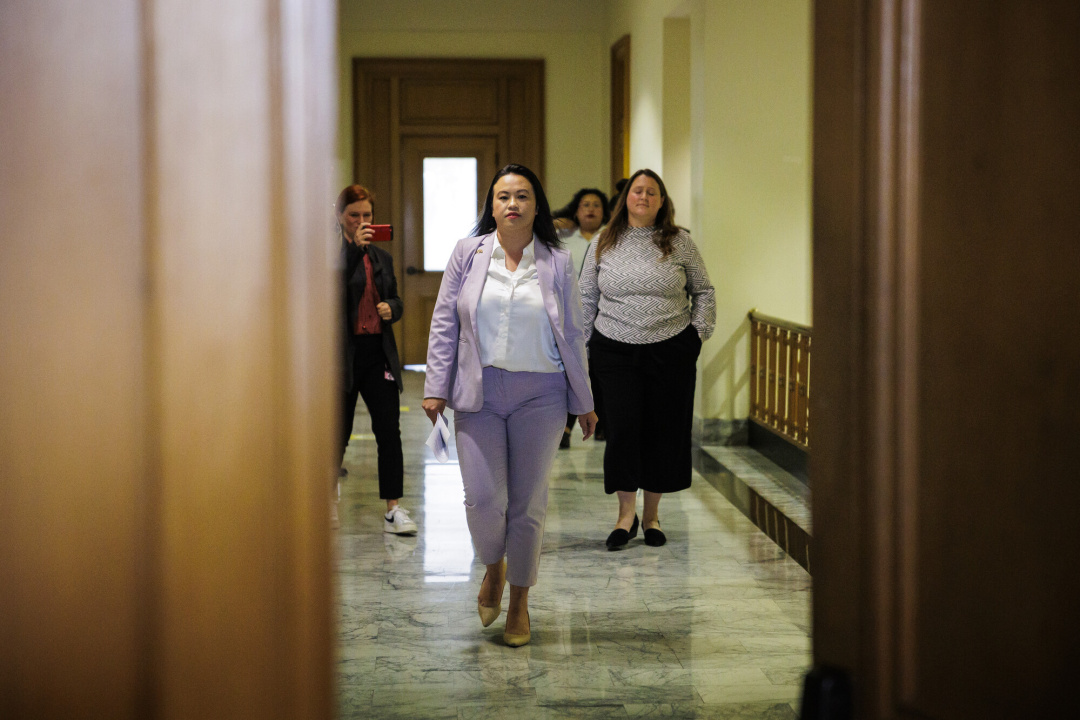
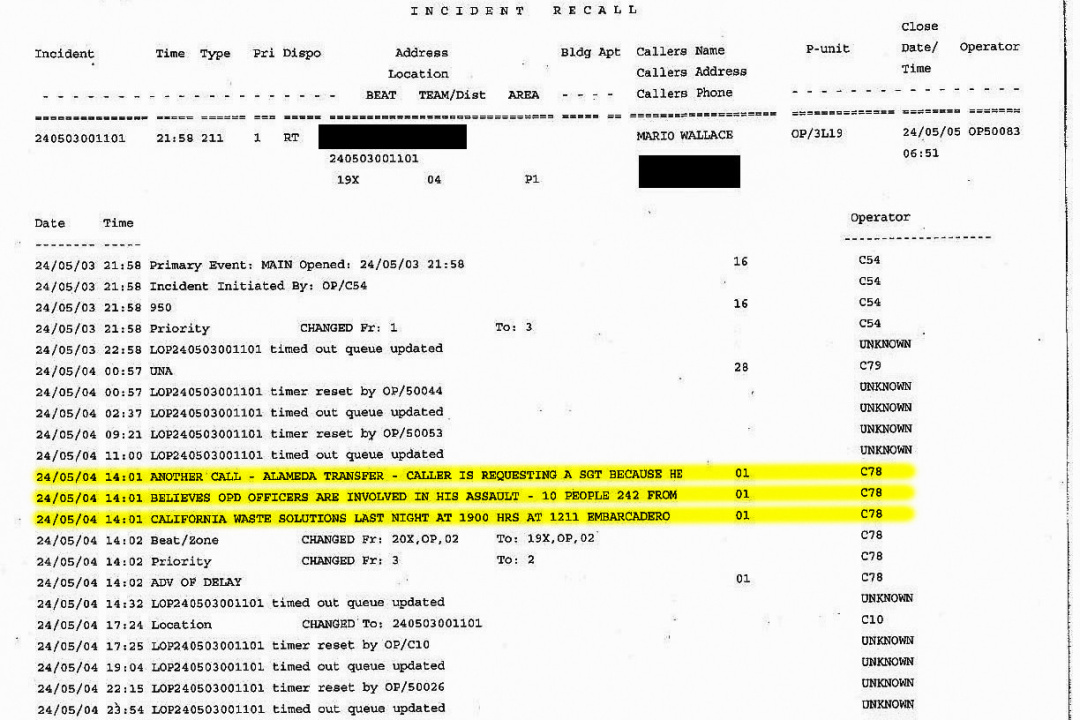
In a significant development in the federal corruption case against former Oakland Mayor Sheng Thao, a video recording has surfaced featuring a key FBI informant discussing cash bribes linked to a lucrative city contract. This video is part of a trove of evidence released recently, which includes secretly recorded phone calls with current and former elected officials, suggesting a troubling level of coordination between city officials and a major recycling contractor, California Waste Solutions.
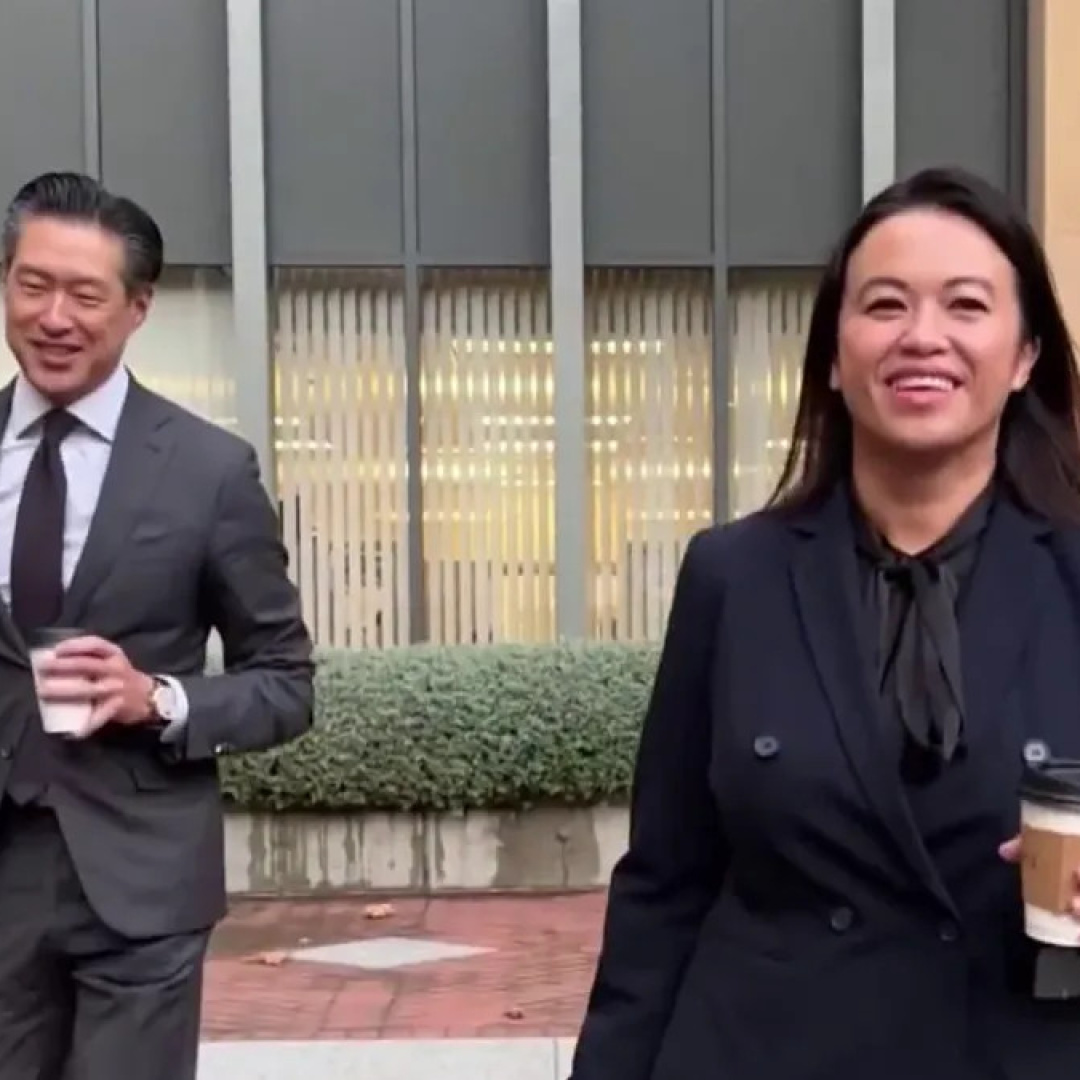
Prosecutors assert that the video captures a pivotal moment in the alleged corruption scheme involving Thao and the Duong family, who own California Waste Solutions. The Duongs, along with Thao and her longtime partner, Andre Jones, face serious charges including bribery, conspiracy, and fraud. The allegations suggest that Thao promised to leverage her mayoral authority to benefit the Duongs' business interests in exchange for financial support for negative campaign mailers and a no-show job for Jones.
Common Sense Shop
The United States of Common Sense
Amazon shopping links. Sponsor Complete!
The incriminating video, recorded in October 2022, features Mario Juarez, a co-conspirator who has since pleaded guilty, toasting to his loyalty to the Duongs. "The day after you won the city of Oakland contract, you were there, paying everybody," Juarez reportedly states, indicating a pattern of cash payments to public officials. This toast, celebrated with champagne, highlights the close ties between the Duongs and Juarez, who co-founded a housing company with them during this period.
Prosecutors expect Juarez to testify that his comments allude to bribes paid to various public officials to secure the Oakland recycling contract in 2014. The Duongs did not challenge Juarez's claims during the toast, which further complicates their defense. Juarez's statements suggest a broader culture of corruption, with allegations that the Duongs have historically paid bribes as part of their business strategy.
Broader Implications of Corruption Allegations
The implications of this case extend beyond Thao and the Duongs. In a recorded phone call from April 2019, Thao appears to provide Andy Duong with sensitive information regarding a legal dispute between the city and California Waste Solutions, indicating a willingness to protect the company's interests at the potential expense of public accountability. Thao's frustrations about fellow council members in another call from September 2023 reveal a combative attitude towards those who challenge her authority, further painting a picture of a politician embroiled in controversy.
As the trial approaches, defense attorneys are raising questions about Juarez's credibility, citing his history of fraud and manipulative behavior. They argue that allowing Juarez's unsubstantiated claims into evidence could unfairly prejudice the jury against the Duongs. However, U.S. Chief District Judge Yvonne Gonzalez Rogers has ruled that Juarez's statements can be admitted, allowing the jury to determine their validity.
The Common Sense Test
The case continues to unfold as prosecutors prepare to present the recordings as key evidence. With multiple public officials involved and the potential for widespread implications, the outcome of this trial could have lasting effects on public trust in local governance and the integrity of elected officials. The allegations of bribery and corruption raise critical questions about accountability and ethical conduct in public office, demanding scrutiny from both the public and the judicial system.
As the trial against Thao and the Duongs progresses, it is essential to consider the broader implications of these allegations. The intertwining of personal ambition and public service, especially in the context of financial gain, poses a serious threat to the integrity of local governance. The evidence presented thus far underscores the need for transparency and accountability in political dealings, reinforcing the idea that elected officials must prioritize the public good over personal interests. This case serves as a reminder of the vigilance required to ensure that those in power are held accountable for their actions, particularly in matters involving public trust and financial integrity.