Senate Republicans Shift Campaign Funds from North Carolina to Kansas
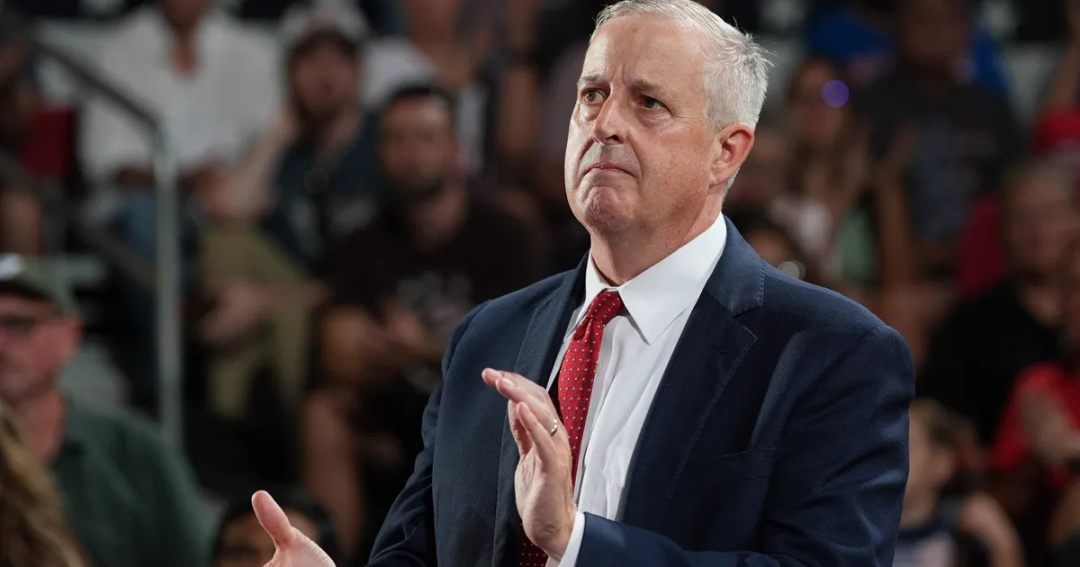
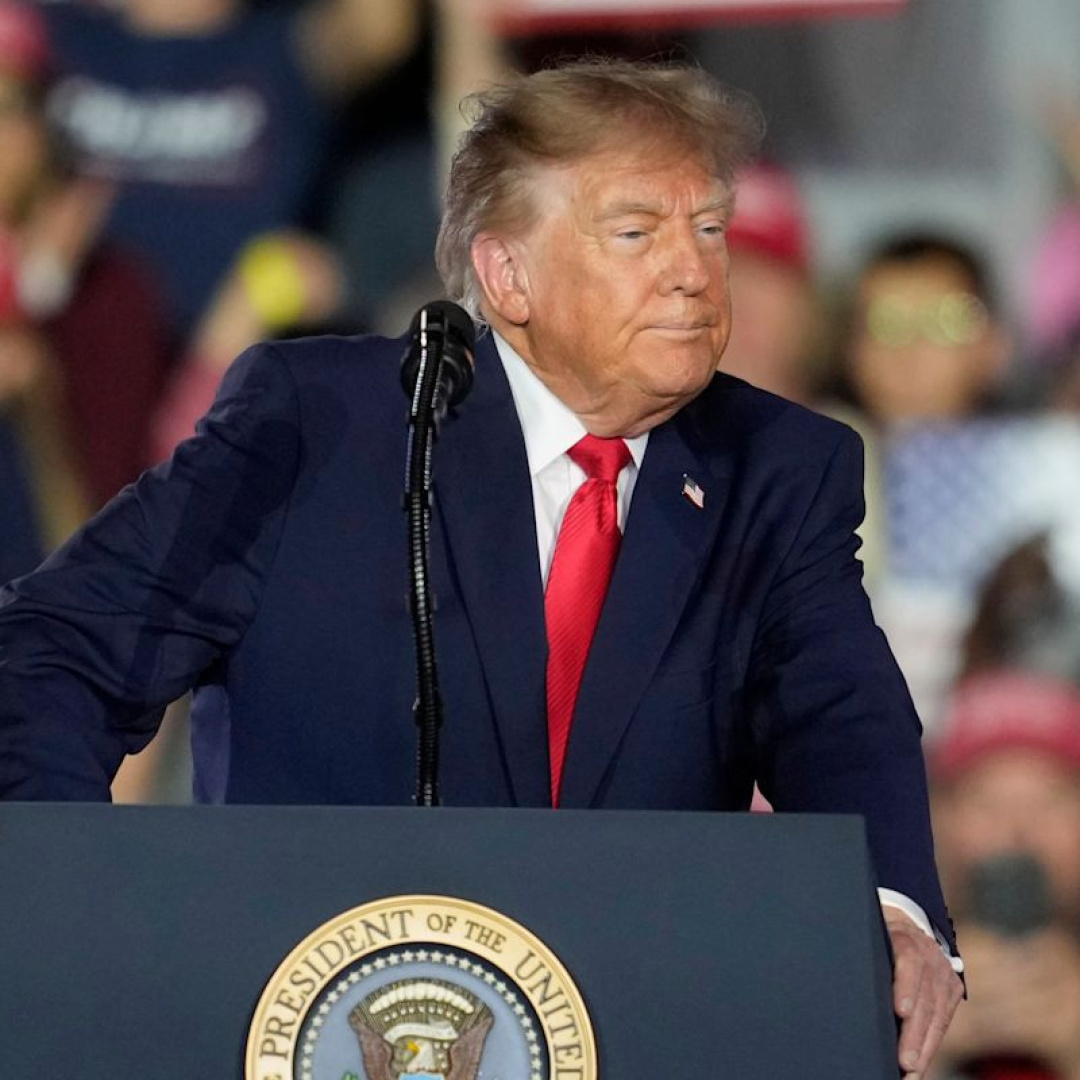
TOPEKA, Kansas — In a notable strategic pivot, Senate Republicans’ primary campaign spending organization is withdrawing support from North Carolina and redirecting funds to Kansas, highlighting the party’s increasingly defensive posture as midterm elections approach. This decision, revealed by sources familiar with the situation, underscores a lack of confidence in Republican candidate Michael Whatley, who is vying for a Senate seat against Democratic former Governor Roy Cooper. Former President Donald Trump expressed his concerns about Whatley’s chances, stating, "I am worried about him. I hope he wins."
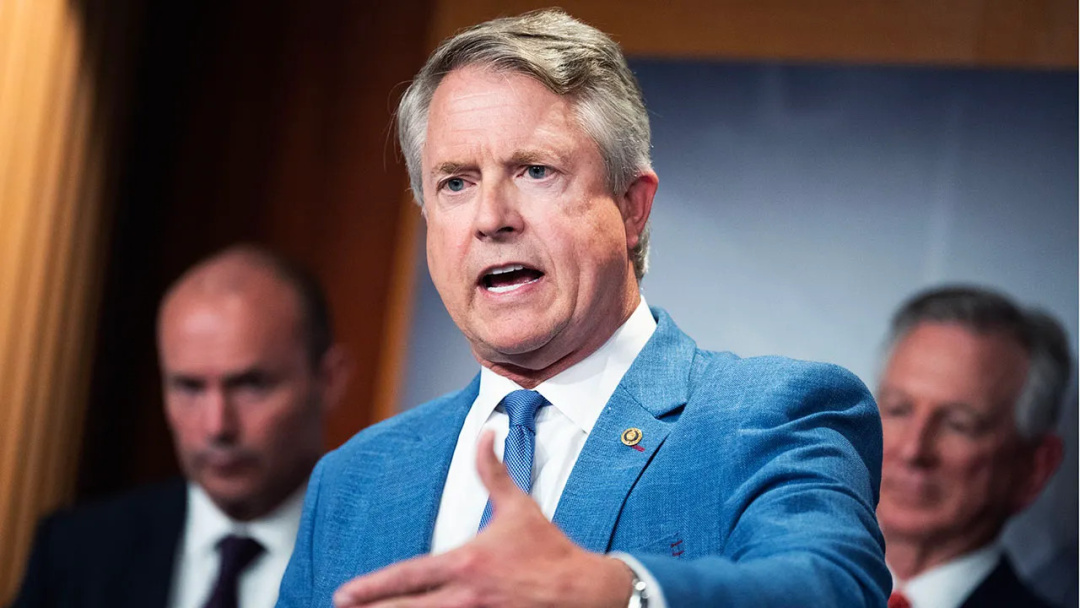
The Senate Leadership Fund, a super PAC aligned with Republican Senate leaders, had initially planned to invest heavily in North Carolina, earmarking $18 million for the state. However, with just a month to go before the elections, the group has already spent approximately $32 million in North Carolina and is now focusing its efforts on Kansas, where Senator Roger Marshall is seeking re-election. Marshall faces a challenge from Adam Hamilton, the Democratic nominee and leader of the nation’s largest United Methodist Church. The Senate Leadership Fund has committed nearly $8.2 million in advertising to support Marshall, while Hamilton has reserved only $590,000, indicating a significant investment in a state that Trump won by nearly 16 percentage points in 2020.
Common Sense Shop
The United States of Common Sense
Amazon shopping links. Sponsor Complete!
Despite this, Kansas has become unexpectedly competitive due to rising fuel prices and economic concerns affecting local farmers, including many Republicans. Jeanna Repass, chair of the Kansas Democratic Party, noted that the war in Iran has driven up diesel prices, impacting farmers' livelihoods. Furthermore, former Kansas Governors Mike Hayden and Bill Graves, both Republicans, have publicly endorsed Hamilton, signaling potential vulnerabilities for Marshall.
Democratic state Rep. Alexis Simmons expressed optimism about Hamilton’s chances, stating that he reflects Kansas values. Meanwhile, the Senate Majority PAC, the Democrats’ spending arm, has pointed out that Republicans are scrambling because they recognize Hamilton’s potential to win.
Republicans Face Challenges Beyond Kansas
As Republicans reassess their strategy, they are also facing challenges in other states, including Georgia, where their nominee, U.S. Rep. Mike Collins, is struggling to gain traction against Democratic Senator Jon Ossoff. The shifting dynamics in Kansas and North Carolina illustrate the complexities of the upcoming elections, where Republicans must navigate both internal party challenges and external pressures from a competitive Democratic campaign.
The Common Sense Test
The Senate Leadership Fund's decision to shift focus from North Carolina to Kansas reflects a broader trend in which Republicans are now investing in states they previously considered secure. As the political landscape evolves, the stakes for both parties remain high, with control of Congress hanging in the balance.
The implications of these campaign funding shifts are significant. For Republicans, the need to bolster support in traditionally red states like Kansas indicates a concerning trend that could impact their overall strategy. As they face mounting challenges, the party must ensure that its messaging resonates with voters who are increasingly concerned about economic issues. The upcoming elections will test the effectiveness of their revised strategies and the ability to retain control in a changing political environment.