Iran Issues Stark Warning on Energy Security Amid U.S. Negotiations

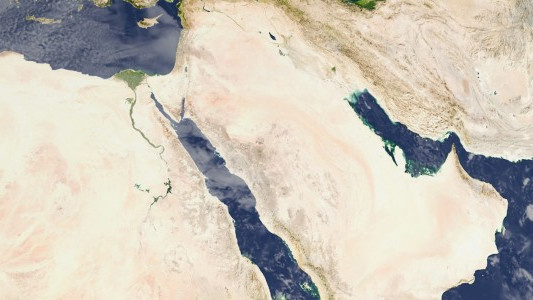
Iran has issued a stark warning regarding the safety of energy infrastructure across the Middle East, asserting that if its security is not guaranteed, no one else will be able to sell oil either. This threat was articulated by Mohammad Baqer Qalibaf, Iran's chief negotiator, during a video broadcast on September 29. As tensions rise, Iran is awaiting an official response from the United States concerning a plan it proposed to reopen the Strait of Hormuz, a vital waterway through which approximately one-fifth of the world's oil supply passes.
While recent air attacks between the two nations have subsided, Iran continues to target vessels in the Strait, claiming control over the waterway despite U.S. assertions that it remains open. Qalibaf's comments underscore the high stakes involved in the ongoing negotiations, as Iran seeks to leverage its position to ensure its energy sales are not hindered by external pressures.
Common Sense Shop
The United States of Common Sense
Amazon shopping links. Sponsor Complete!
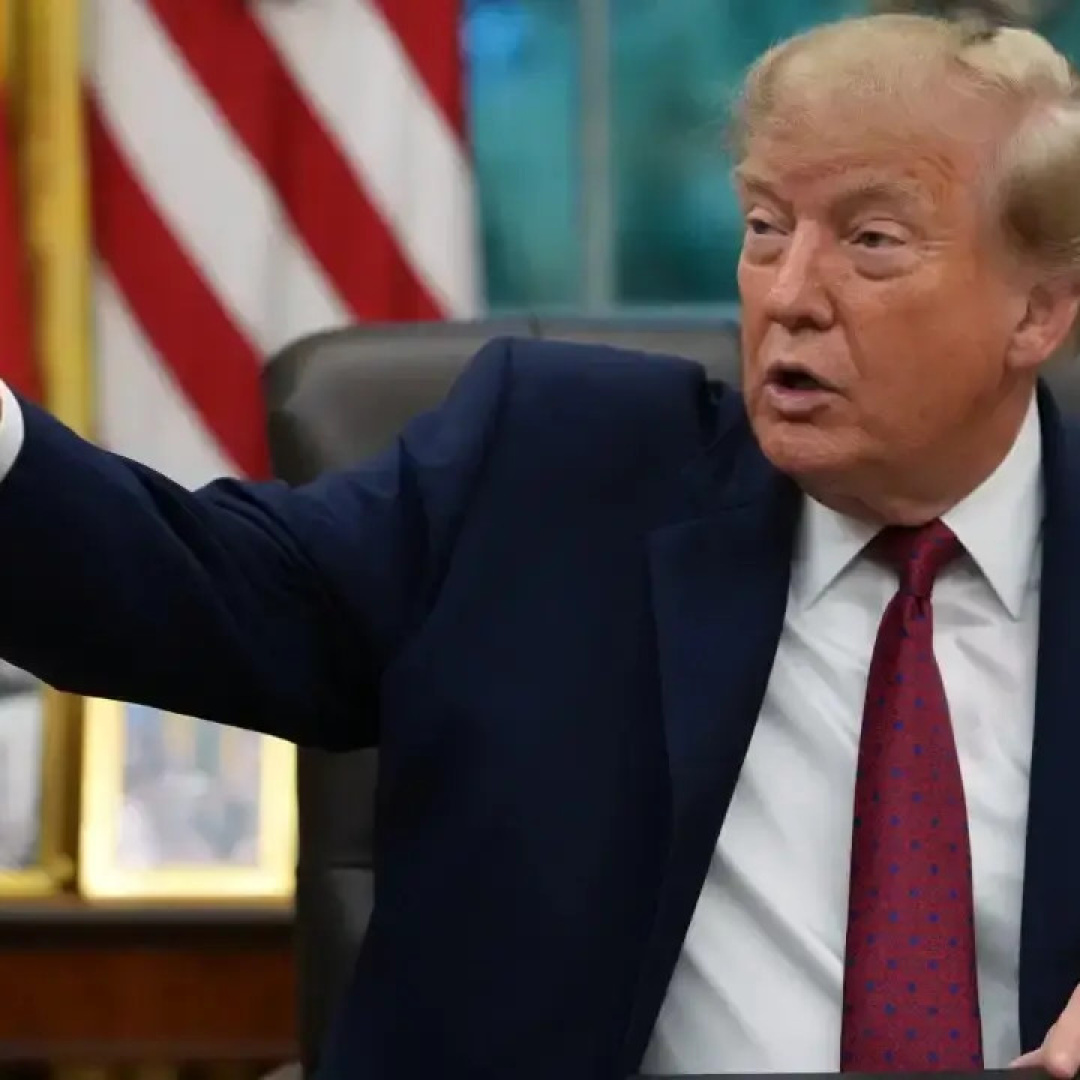
The backdrop of this situation includes a proposal from Tehran that would see the Strait reopened and nuclear negotiations restarted within a week, contingent upon the U.S. lifting its naval blockade and sanctions on Iranian oil sales. President Donald Trump has dismissed this plan but indicated that further discussions between U.S. and Iranian negotiators are expected in the coming week.
Iran's Message to American Voters
In a related move, the Islamic Revolutionary Guards Corps (IRGC) sent a letter to American voters on the same day, blaming the U.S. for the conflict that began on February 28. The letter suggests that a change in U.S. policy could lead to coexistence between the two nations. It also claims that over 3,600 Iranians, predominantly civilians including 400 children, have died as a result of the war, while the U.S. reports 18 military fatalities.
The Common Sense Test
The IRGC's letter, aimed at influencing U.S. voters ahead of the midterm elections on November 3, emphasizes the human cost of the conflict and calls for a reevaluation of U.S. foreign policy. The letter concedes that airstrikes have damaged parts of Iran's nuclear infrastructure and some air defense sites but maintains that Iran's nuclear ambitions are strictly for civilian purposes.
As the U.S. State Department has been approached for comments regarding the IRGC's claims, the geopolitical landscape remains fraught with tension. The implications of Iran's threats and the potential for further escalation cannot be understated, especially as American voters prepare to head to the polls, potentially impacting the future of U.S. foreign policy in the region.