Brazil's Electoral Tribunal Enforces Censorship Ahead of Elections
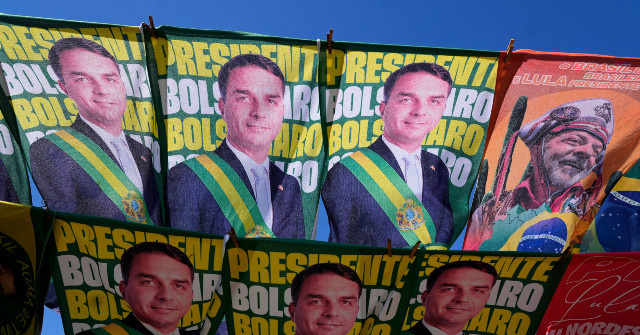
Brazil’s Superior Electoral Tribunal (TSE) has taken a decisive step into the realm of censorship just days before the nation’s presidential elections, scheduled for October 4. The TSE's recent rulings aim to suppress misinformation, particularly targeting conservative Senator Flávio Bolsonaro, who is contesting the presidency against incumbent socialist Luiz Inácio Lula da Silva.
In the lead-up to the elections, a fake news campaign emerged, falsely accusing Senator Bolsonaro of attempting to strip the title of Brazil’s patron saint from Nossa Senhora do Aparecida, a revered figure in Brazilian Catholicism. Bolsonaro, an Evangelical Christian and son of former President Jair Bolsonaro, condemned this misinformation, claiming that the media outlet Globonews acted as a “central hub” for spreading these falsehoods. Following the revelation of the misinformation, Globonews issued a public retraction and apology.
Common Sense Shop
The United States of Common Sense
Amazon shopping links. Sponsor Complete!
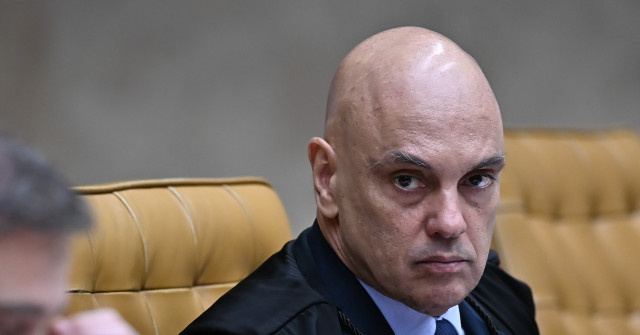
On Wednesday, a majority ruling from the TSE mandated the removal of all social media content related to the fake news campaign against Bolsonaro, a decision that followed a convoluted series of court orders. Initially, TSE Justice André Mendoça ruled in favor of censoring the misinformation, but this was challenged by Supreme Court Justice Flávio Dino, who argued that it infringed upon free speech rights. The back-and-forth culminated in a vote led by TSE head Edson Fachin, ultimately siding with Mendoça's initial ruling.
Justice Mendoça defended the censorship by asserting that it did not equate to prior censorship, as the misinformation had already been debunked. He maintained that removing false content does not impose state control over future expressions, nor does it require judicial authorization for new publications. This raises a critical question: at what point does the fight against misinformation infringe upon free speech?
Political Backlash and Censorship Clash
In a separate incident, President Lula has faced backlash for controversial comments regarding young girls and cervical cancer screenings, which have been widely criticized. In response, conservative lawmaker Nikolas Ferreira expressed his outrage in a video, questioning Lula’s statements. The TSE has since ordered Ferreira to remove the video, claiming he misrepresented Lula's comments. This incident further highlights the tension between political expression and censorship in Brazil.
The TSE's history of censorship during elections is troubling. In 2022, during the presidential race between Jair Bolsonaro and Lula, the TSE prohibited the Bolsonaro campaign from labeling Lula as a “thief” despite Lula's prior convictions for corruption. Conversely, Lula's campaign was allowed to make unsubstantiated claims against Bolsonaro without similar repercussions.
The Common Sense Test
As Brazil navigates these contentious political waters, the implications of the TSE's censorship rulings extend beyond the immediate electoral context. They pose a significant challenge to the principles of free speech and democratic integrity in a country where political discourse is already fraught with tension.
The recent actions by Brazil's electoral authority serve as a stark reminder of the delicate balance between combating misinformation and upholding free speech. As the elections draw near, the question remains: how will these censorship measures affect the political landscape and the fundamental rights of Brazilian citizens? The stakes are high, and the implications of these decisions will resonate far beyond the ballot box.