Supreme Court Judges Refuse Meeting on One-Nation, One-Election Bill
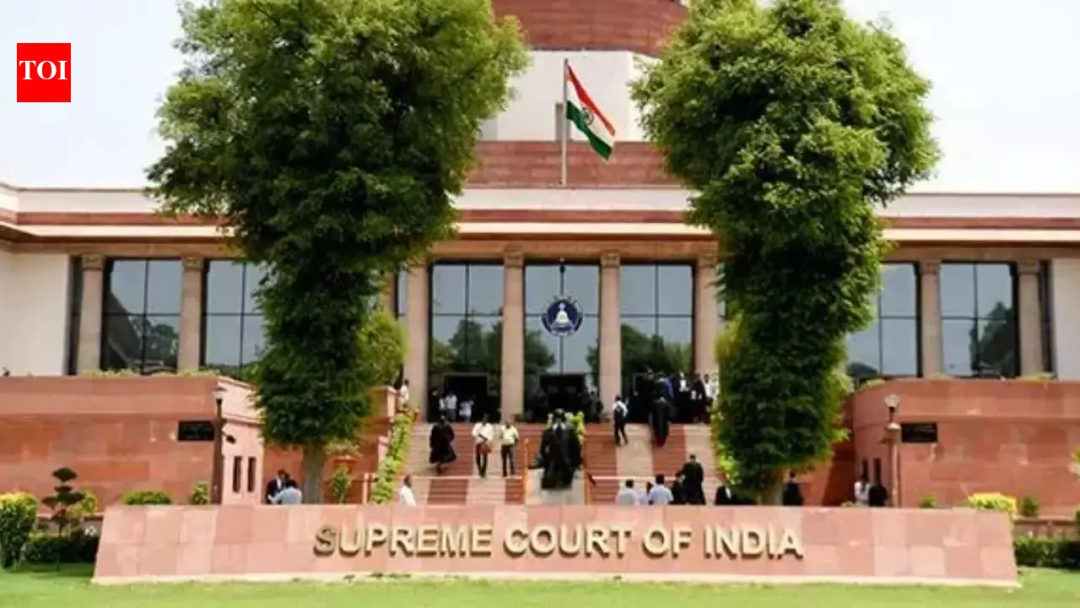
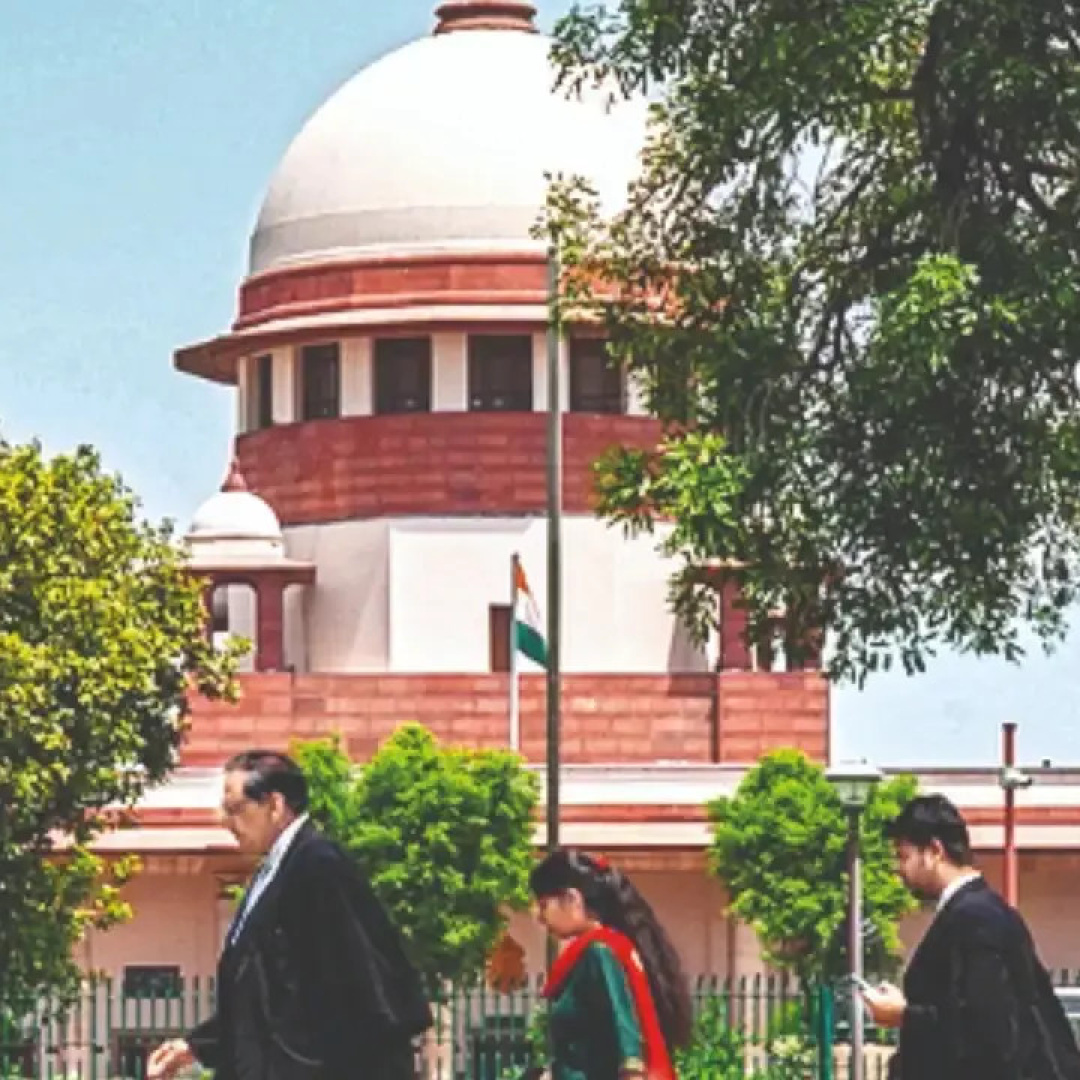
In a significant development regarding electoral reform, the Supreme Court of India has declined to engage with a parliamentary committee investigating the One Nation, One Election constitutional amendment bill. This bill, which seeks to synchronize Lok Sabha and state assembly elections, was introduced in December 2024 and has faced scrutiny from various opposition parties. Critics allege that the proposal is unconstitutional and infringes upon federal rights.
The Supreme Court's refusal to meet stems from concerns about the potential implications for judicial independence. In a communication to the committee, the court indicated that discussing the amendment could be undesirable, as it might become a subject of judicial review in the future. The secretary general of the Supreme Court conveyed that senior judges believe it is not expedient to engage in discussions on such matters at this stage.
Common Sense Shop
The United States of Common Sense
Amazon shopping links. Sponsor Complete!
The parliamentary committee, led by BJP MP P P Chaudhary, had scheduled a meeting with Chief Justice of India Surya Kant and other judges for October 6. However, following the Supreme Court's decision, this meeting has been canceled. The court's stance raises questions about the boundaries of legislative and judicial interactions, particularly in the context of significant constitutional amendments.
Concerns Over Judicial Independence Raised
Opposition figures, including MP Kapil Sibal, have criticized the proposed meeting, arguing that it violates the doctrine of separation of powers. They contend that the judiciary should remain independent from legislative discussions, especially on matters that could affect its future rulings.
The Common Sense Test
Supporters of the One Nation, One Election initiative, primarily from the ruling BJP and its allies, argue that simultaneous elections would streamline the electoral process and enhance governance by reducing the frequency of elections. They assert that a continuous cycle of elections hampers development and economic growth.
As the debate continues, the Supreme Court's decision not to engage with the parliamentary committee underscores the delicate balance between legislative intent and judicial oversight in India's democratic framework. The implications of this refusal may resonate beyond the immediate context, prompting further discussions on the separation of powers and the role of the judiciary in electoral matters.