New Federal Scholarship Program Expands School Choice Options
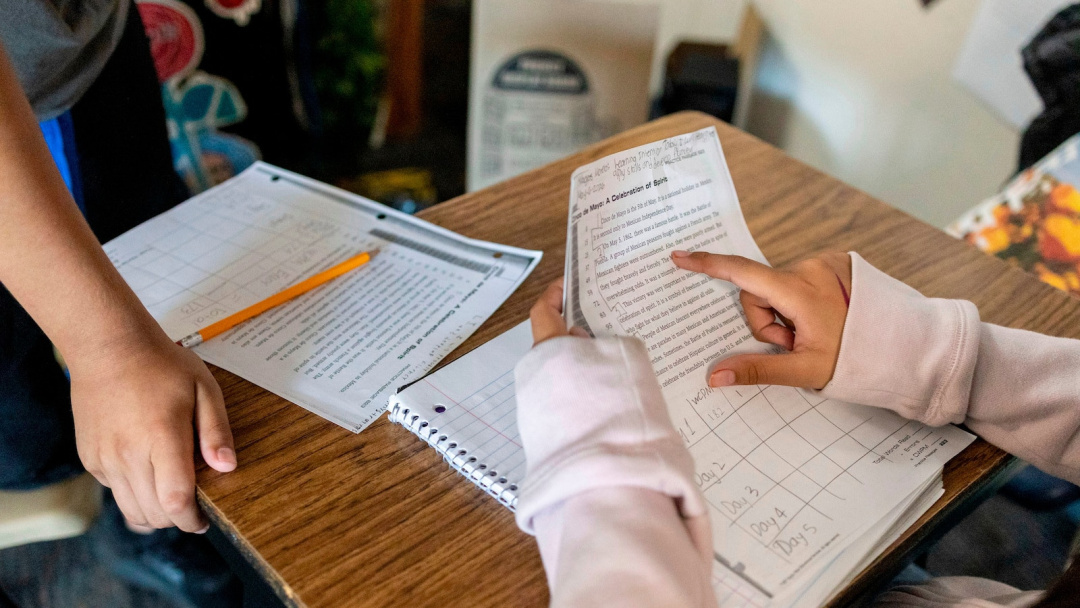
The Trump administration has announced a significant development in educational funding with the proposed Federal Scholarship Tax Credit program, set to begin on January 1. This program would allow nearly all schoolchildren in at least 30 states to apply for scholarships that can be used for private school tuition, homeschooling, and various educational expenses. This initiative represents the first national school choice scholarship program, aimed at empowering families to select the best educational options for their children.
Under these proposed regulations, approximately 96% of children in participating states would be eligible for the scholarships. Unlike many existing state programs, this federal initiative does not require students to leave public schools to qualify for the financial assistance. Public school students can utilize the funds for additional learning expenses, such as tutoring and special education therapies, although specific criteria for eligible expenses have yet to be detailed by the administration.
Common Sense Shop
The United States of Common Sense
Amazon shopping links. Sponsor Complete!
This federal program is designed to make it easier for low-income families to access these scholarships. The proposal includes provisions allowing students to use proof of participation in government assistance programs instead of traditional income documentation. Additionally, foster children would not need to provide income verification when applying, streamlining the process for those who may need it most.
Historically, school choice scholarships have been available in conservative states, providing students with taxpayer-funded grants that can range significantly in amount. In states like Florida and Arizona, where these scholarships are available to all students regardless of income, many recipients were already attending private or home schools or came from affluent backgrounds, according to an analysis by The Associated Press.
Challenges in Scholarship Awareness and Access
As the program rolls out, there are concerns about the awareness and accessibility of these scholarships. Many families may not know such programs exist, and federal officials have not yet clarified how they will inform taxpayers and students about the new opportunities. Starting January 1, taxpayers will have the option to donate to scholarship programs in participating states, even if they do not reside there, with individuals able to donate up to $1,700 and receive a federal tax credit for the same amount.
Scholarship organizations within each state will determine the amount granted to each child based on available funds and individual needs. Families with children in elementary through high school can qualify if their income is up to three times the area's median income. The funds can be used for a variety of educational expenses, including tuition for religious or private schools, homeschooling costs, tutoring services, and necessary materials such as books and computers.
The Common Sense Test
While states can choose whether to participate in this program, they cannot impose regulations that restrict the use of the scholarships or dictate the types of organizations that can issue them. Governors from states like Arizona, Minnesota, Wisconsin, and Oregon have already indicated they will not participate, arguing that such programs divert essential resources from public schools.
Despite the challenges, the federal scholarship program is expected to funnel significant taxpayer money into private school tuition across states that have historically resisted such initiatives. The IRS and the Treasury Department project that the program could eventually direct nearly $26 billion into approximately 2.2 million scholarships annually, providing a substantial boost to the school choice movement and potentially reshaping the educational landscape in America.