Election-Year Fear Tactics: Media's Role in Shaping Economic Perception
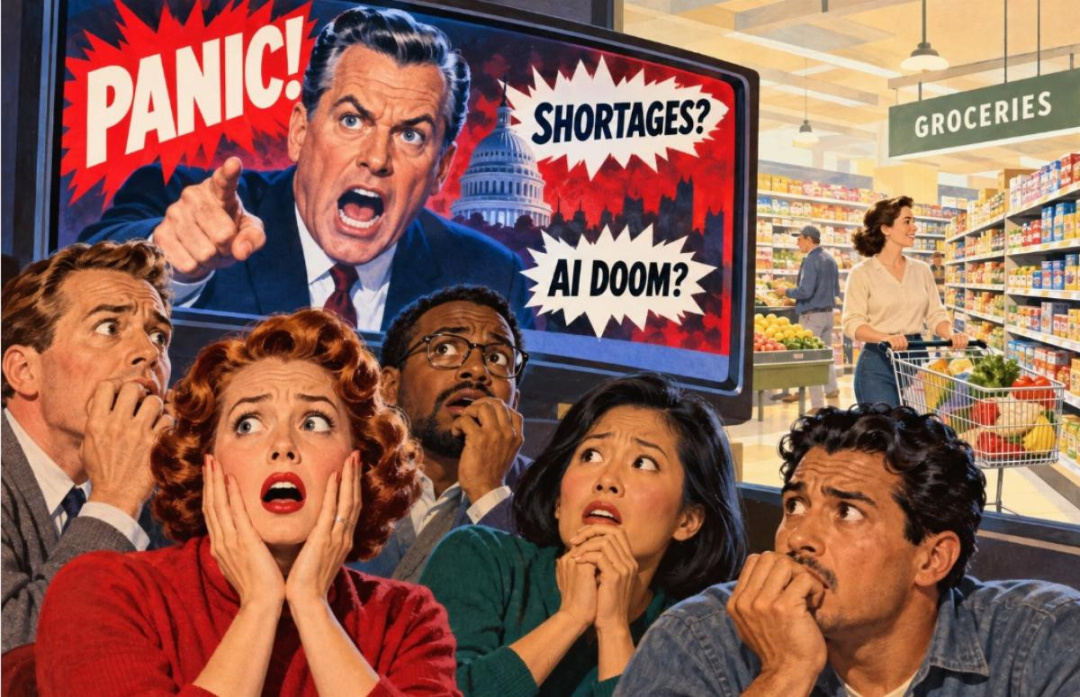
In the lead-up to elections, fear has become a powerful tool for the media and Democrats, often used to push leftist agendas and undermine Republican candidates. For instance, when former President Trump imposed tariffs in 2025, many experts predicted dire consequences, including a stock market crash, empty store shelves, and rampant inflation. Headlines like "Retail wipeout: Trump tariffs stoke fears of shortages and price hikes" painted a bleak picture. However, the reality has been quite different: the stock market has surged, the economy has shown resilience, and store shelves remain stocked. Core inflation, which many blamed on Trump's policies, has steadily decreased since the highs of the Biden administration.
The predictions of widespread food shortages due to Trump's border policies also proved unfounded. Despite fears that closing the border would lead to supply shocks and food inflation, the actual data tells a different story. Food inflation has remained under control, significantly lower than during Biden's presidency. For example, food inflation rates have fluctuated from 3.9% in 2020 to just 2.7% from August 2025 to August 2026. The media's narrative during this period has often overlooked these facts, focusing instead on sensational stories that serve their political interests.
Common Sense Shop
The United States of Common Sense
Amazon shopping links. Sponsor Complete!
As the midterm elections approach, the media ramp up their fearmongering tactics. Recent headlines from major outlets, such as Fox News, have suggested that grocery staples are vanishing, creating a sense of panic among consumers. However, a closer inspection reveals that the items being referred to, such as Minute Maid frozen juice concentrates and Cheese Pizza Cheetos Puffs, are hardly essential staples. This kind of reporting raises questions about whether the media is genuinely concerned about food availability or simply trying to influence voter sentiment against Republicans.
Moreover, the media's portrayal of technology and its potential risks adds another layer to this fear narrative. For example, claims by figures like Bill Gates that unchecked AI could lead to catastrophic outcomes are sensationalized without a balanced discussion of the actual risks and benefits. The push for regulation often comes with calls for liability protection for tech companies, raising concerns about accountability.
Media Influence on Political Narratives
The media's role in shaping public perception is not limited to economic issues; it extends to broader political narratives as well. The Atlantic's recent article suggesting that Trump supporters are urging him to declare martial law for the midterms exemplifies how speculation can be presented as fact. This tactic mirrors the Russia-collusion narrative, where unsubstantiated claims were repeated until they felt credible. Such reporting undermines the integrity of the electoral process and distracts from real issues at hand.
The Common Sense Test
As the election nears, the media's focus on negative stories about Republicans, coupled with positive portrayals of Democrats, raises significant questions about fairness and transparency in reporting. The media's influence on public opinion can be more impactful than traditional campaign spending, yet they operate without the same accountability.
In this environment, the ability to engage in open discourse is vital to preserving the republic. The media's fear-driven narratives must be scrutinized, and voters should seek out the truth behind the headlines. As we approach the elections, it is essential to remain vigilant against the tactics that seek to manipulate public perception for political gain.