Serbian President Resigns Amid Protests Over Corruption Allegations
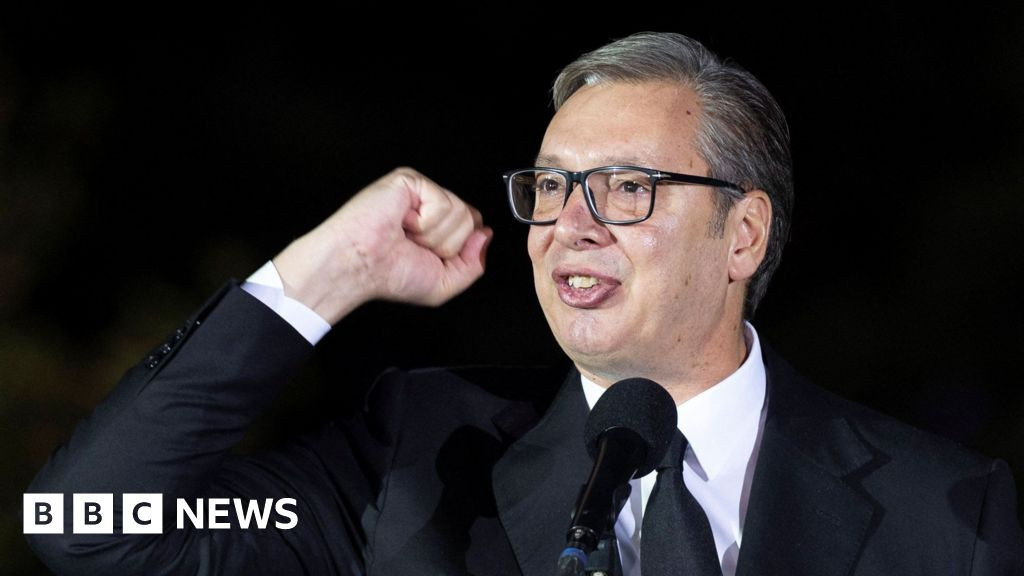
Aleksandar Vučić has officially resigned as the president of Serbia after more than a year of mounting protests led by students and a broad spectrum of citizens, all expressing their discontent over allegations of government corruption. Speaking to his supporters outside the presidential building in Belgrade, Vučić emphasized that his administration had maintained peace and stability during his nearly decade-long tenure.
This resignation comes after Vučić had previously announced his intention to step down in June and is now positioned to run as his party's candidate for prime minister in the upcoming parliamentary elections. Notably, under Serbia's constitution, he is barred from seeking a third presidential term.
Common Sense Shop
The United States of Common Sense
Amazon shopping links. Sponsor Complete!
The protests that led to his resignation were ignited by a tragic incident in 2024, when the roof of the Novi Sad railway station collapsed, resulting in the deaths of 16 individuals. This disaster galvanized public outrage against the government, as many citizens believed it reflected a decade of mismanagement by Vučić's Progressive Party, which had previously touted the station's renovation as a symbol of national progress.
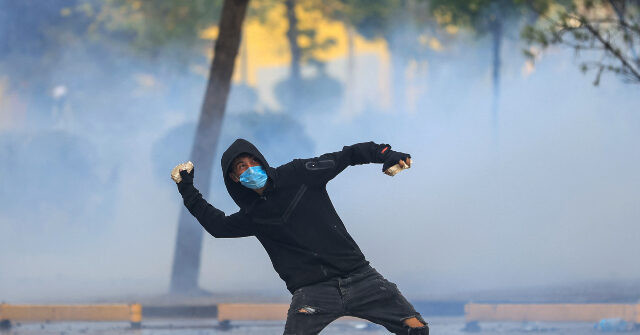
Despite a series of resignations within his administration, the protests continued throughout the summer, escalating into unrest following allegations of police brutality against demonstrators. Vučić's presidency was set to end next year, but his resignation triggers a constitutional requirement for presidential elections to be held within three months. Consequently, Serbia is poised to hold two elections before the year's end.
Upcoming Elections Shape Serbia's Political Landscape
The presidential election is scheduled to take place more than a month after the parliamentary election, which is set for late October. This parliamentary election was called in response to the protests, which had included demands for a vote among their grievances. Vučić has indicated his intent to run in the parliamentary election as the leader of the Progressive Party, suggesting he may still play a significant role in Serbian politics moving forward.
The Common Sense Test
In a move that reflects his ongoing influence, Vučić utilized his constitutional powers to pardon 49 individuals, including 23 students and party loyalists, who were implicated in offenses related to what he termed the "terrible events we have gone through over the past year and a half." The upcoming parliamentary elections will see Vučić's Progressive Party face off against a student-led anti-corruption movement known as Students Win, as well as a coalition of pro-Western opposition parties called European Serbia.
Having been a prominent figure in Serbian politics for over a decade, Vučić first became prime minister in 2014 and was elected president in 2017. He has consistently expressed a desire for Serbia to join the European Union while simultaneously fostering closer ties with Russia and welcoming Chinese investment into the country.