Supreme Court to Hear Religious Freedom Case from Colorado Preschool
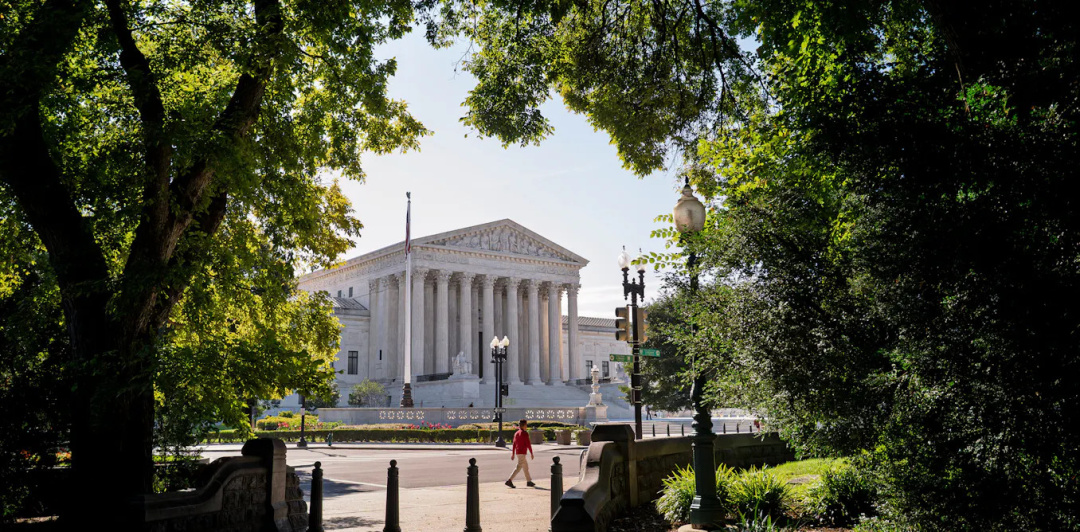
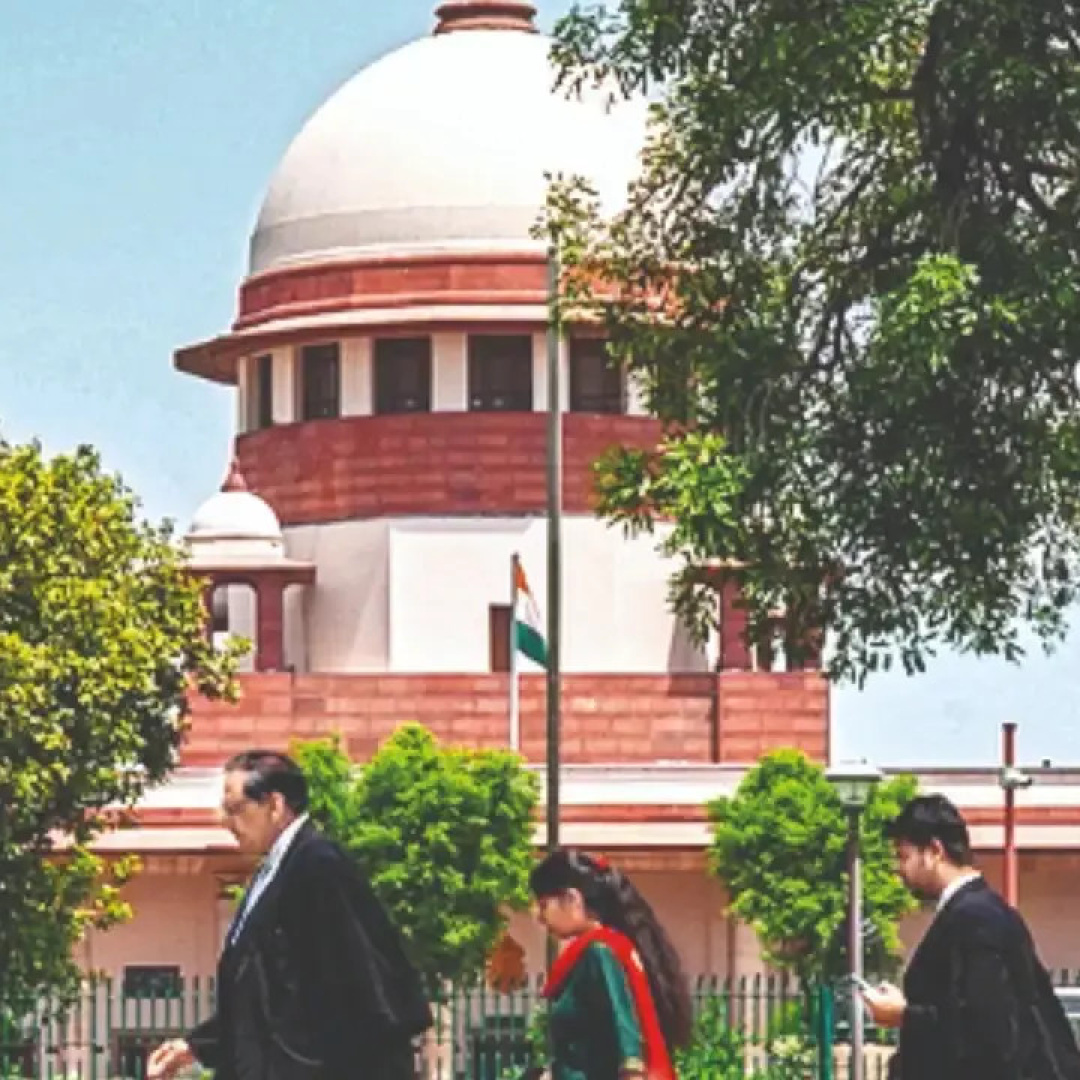
The U.S. Supreme Court is gearing up for a pivotal case this term, beginning October 5, 2026, that could reshape the landscape of religious freedom and LGBTQ rights. The case, St. Mary Catholic Parish v. Roy, centers on Colorado's Universal Preschool Program, which stipulates that only preschools adhering to a nondiscrimination policy can receive state funding. This policy explicitly prohibits denying admission based on a student's or parent's sexual orientation or gender identity.
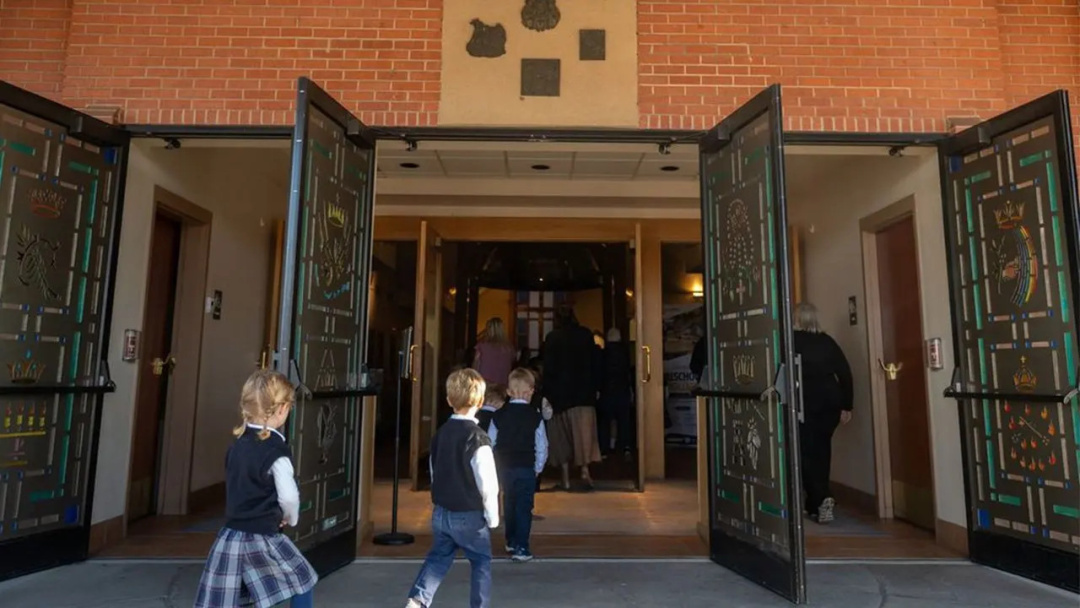
Two Catholic parishes in the Archdiocese of Denver, St. Mary in Littleton and St. Bernadette in Lakewood, have taken a stand against this requirement, filing a lawsuit alongside Catholic parents. They argue that the nondiscrimination policy infringes upon their First Amendment rights to freely practice their religion. This case is particularly significant as it encapsulates ongoing tensions between religious liberties and LGBTQ rights, a recurring theme in recent Supreme Court deliberations.
Common Sense Shop
The United States of Common Sense
Amazon shopping links. Sponsor Complete!
Historically, Colorado has been a focal point for legal battles that test the boundaries of these rights. St. Mary v. Roy is not an isolated incident; it continues a trend of cases originating from the state that have reached the Supreme Court. Over the past 30 years, Colorado has been the backdrop for five such cases, highlighting the state's unique position in the national conversation surrounding these issues. The Supreme Court's past rulings have often sided with LGBTQ protections, but the current conservative supermajority may alter the trajectory of this case.
One notable precedent is Romer v. Evans, a landmark 1996 case where the Supreme Court ruled against a Colorado amendment that sought to prevent local governments from enacting anti-discrimination laws for LGBTQ individuals. The Court found that the amendment was unconstitutional as it exhibited animus towards a specific group. This ruling marked a significant step in recognizing equal protection rights for queer individuals.
Colorado's Evolving Legal Landscape on LGBTQ Rights
In contrast, recent years have seen Colorado defending its LGBTQ protections in front of the Supreme Court with mixed results. In the 2018 case Masterpiece Cakeshop v. Colorado, the Court ruled in favor of a baker who refused to make a wedding cake for a same-sex couple, citing free speech rights. However, this decision did not resolve the broader questions regarding the balance between First Amendment rights and anti-discrimination laws.
The Common Sense Test
The case of 303 Creative v. Elenis further complicates the narrative, as the Supreme Court ruled that a web designer could refuse to create wedding websites for same-sex couples based on free speech grounds, without acknowledging the discrimination that refusal represented. These rulings indicate a potential shift in how the Court may approach cases involving religious freedom and LGBTQ rights moving forward.
As St. Mary Catholic Parish v. Roy approaches oral arguments, Colorado will once again find itself defending its antidiscrimination laws. The outcome remains uncertain, especially given the Supreme Court's track record and the implications it holds for both religious institutions and LGBTQ rights. The stakes are high, as this case could set a precedent for how similar conflicts are resolved in the future, impacting not just Colorado but potentially the entire nation.