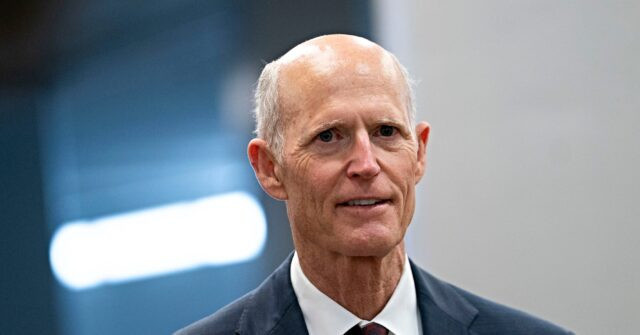
Sen. Rand Paul Advocates for Fiscal Responsibility with Six Penny Plan
Senator Rand Paul, a Republican from Kentucky, has voiced strong concerns about the current state of the national budget, emphasizing that Congress must adopt his Six Penny Plan to address the out-of-control deficit. In a recent interview, Paul highlighted that the national debt has ballooned to over $40 trillion, with the government spending more than $1 trillion on interest each year—more than it allocates for national defense. This alarming trend, he argues, is not just a fiscal issue; it is a pressing economic crisis that affects every American through rising interest rates and inflation.
Reflecting on the past, Paul noted that in 2011, the national debt was approximately $15 trillion, and the U.S. Treasury spent over $450 billion on interest. He criticized Washington for its reckless spending habits, which he believes are unsustainable and detrimental to future generations. "I left my medical practice to stand for public office because I would not let our children and grandchildren be bankrupted by reckless politicians," he stated, underscoring his commitment to fiscal responsibility.
Common Sense Shop
The United States of Common Sense
Amazon shopping links. Sponsor Complete!
The Six Penny Plan proposes a systematic approach to budget cuts, requiring Congress to find a six percent reduction in spending each year for five years. Once the budget is balanced, spending could then increase based on additional revenue generated from economic growth. Paul is determined to force a vote on this plan later this year, as he believes it is crucial for Congress to act decisively rather than continue with the status quo.
Despite the urgency of the situation, Paul expressed disappointment in Congress's response to the fiscal crisis. He criticized the recent passage of a continuing resolution that merely extends existing spending levels without addressing the underlying issues. "It doesn’t have to be this way. When Congress takes up government funding later this year, it can pass my Six Penny Plan, which will balance the budget within five years," he asserted.
Understanding the Flexibility of the Six Penny Plan
The Six Penny Plan is designed to be flexible; it does not mandate specific cuts to any program, even exempting Social Security. Instead, it sets a maximum spending level, leaving it up to Congress to determine which expenses to prioritize and which to cut. Paul argues that this approach reflects the real-life decisions that Americans face regarding their own budgets, where they must weigh their priorities and make tough choices.
Interestingly, when Paul first proposed what became the Penny Plan in 2018, he suggested a spending freeze rather than cuts. However, due to Congress's inaction, the proposal has evolved into the current Six Penny Plan, which now requires a more aggressive approach to spending reductions. Paul warns that kicking the can down the road has been a standard practice in Congress, but the time for action is now.
The Common Sense Test
He emphasizes that inaction on the debt is effectively a vote to increase the hidden inflation tax on all Americans, allowing inflation to erode their cost of living. With support for the Six Penny Plan reportedly building among Senate Republicans, Paul believes that there is a real opportunity for this budget resolution to pass with a simple majority vote. He urges his colleagues to take this chance to demonstrate their commitment to fiscal conservatism and to fulfill their promises to the American people.
In conclusion, the Six Penny Plan represents a critical opportunity for Congress to take meaningful steps toward fiscal responsibility. As the national debt continues to rise, the stakes have never been higher. Paul’s proposal underscores the need for a serious reevaluation of spending priorities and a commitment to balancing the budget. The time for action is now, and it remains to be seen whether Congress will rise to the occasion or continue to ignore the looming fiscal crisis.