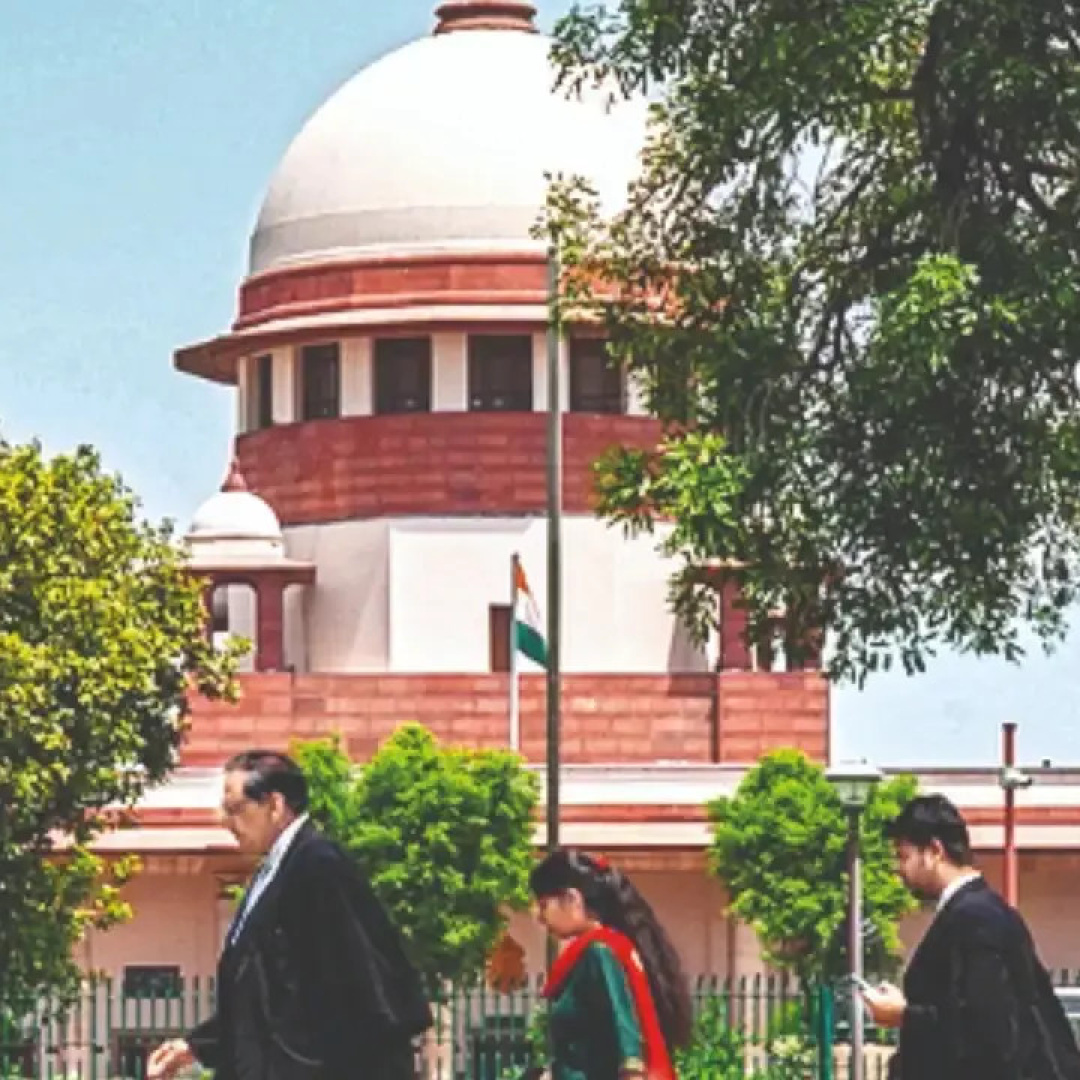
Supreme Court Opens New Term Amid Concerns Over Legitimacy and Decisions
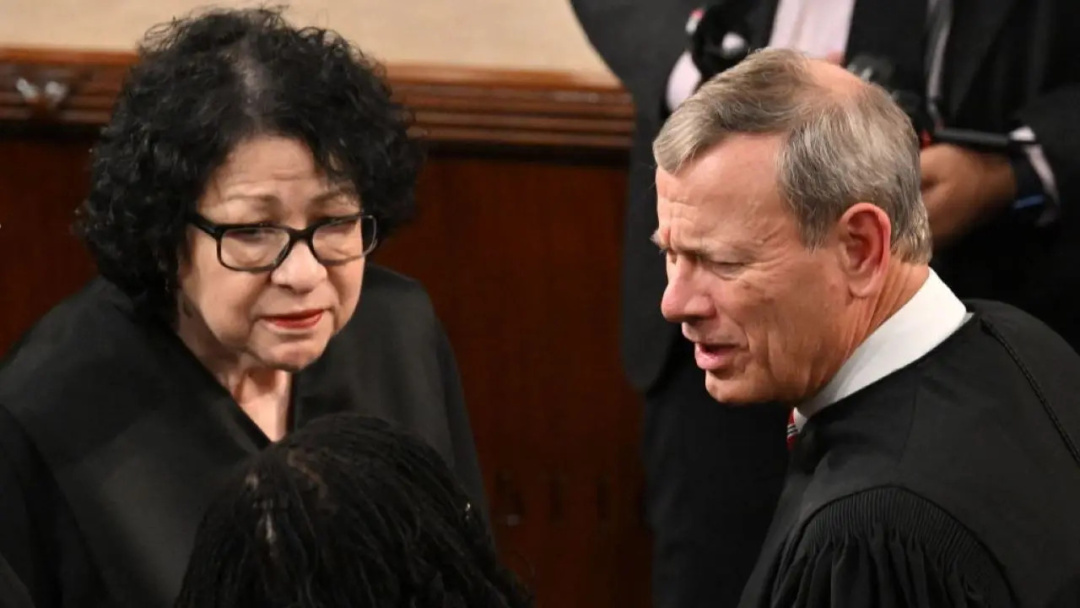
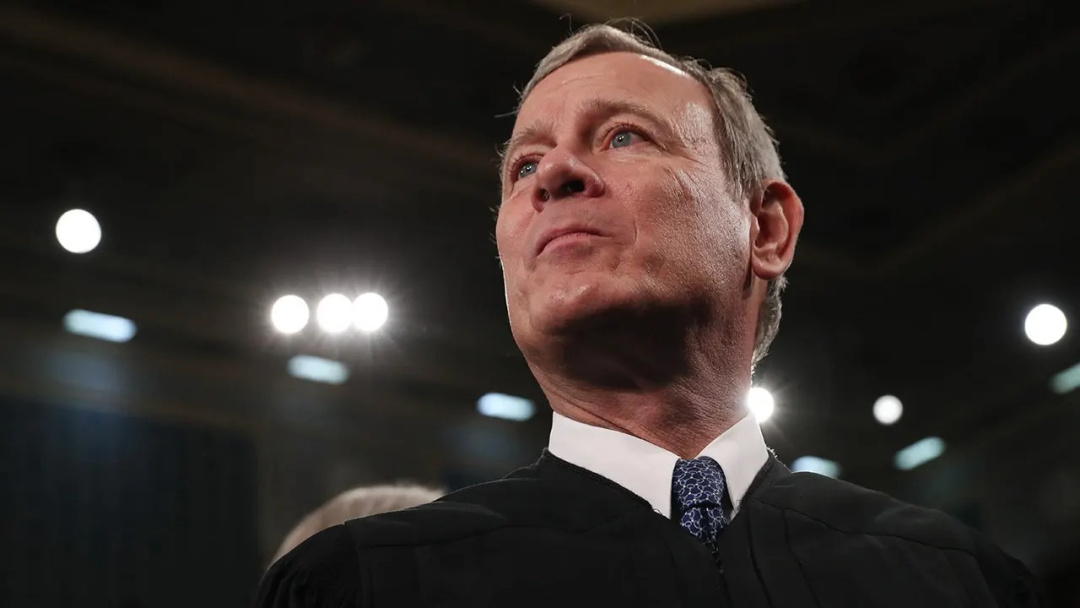
The Supreme Court commenced its new term Monday, facing heightened public and political scrutiny regarding its recent rulings and the justices' personal safety. Chief Justice John Roberts, alongside his eight colleagues, opened the session at 10 a.m. EDT, beginning with a significant case involving a federal-state dispute over the liability of oil and gas companies for climate change impacts.
This term is marked by high-profile cases touching on executive power, gun rights, religious liberty, and voting regulations. Despite the court's conservative majority, public perception of the justices has soured, with many questioning their role as impartial arbiters of the law. Thomas Dupree, a prominent appellate attorney, noted that Roberts is navigating a challenging landscape where traditional institutions are under pressure.
Common Sense Shop
The United States of Common Sense
Amazon shopping links. Sponsor Complete!
The court is set to address critical constitutional disputes, including immigration authority and federal bureaucracy reforms. Historically, the justices have delivered mixed rulings regarding President Trump's policies. While the Trump administration has won about 70% of its emergency cases before the court since 2025, the justices have also ruled against the administration on significant issues such as reciprocal tariffs and birthright citizenship.
The conservative majority has often supported the administration's initiatives, particularly through preliminary decisions from the court's so-called "shadow docket," allowing Trump to advance various policies while litigation continues in lower courts. However, the court's decisions have sparked intense criticism from both sides of the political spectrum. Republican lawmakers have called for impeachment of judges who obstruct White House policies, while Democrats have proposed reforms to the court's structure, including term limits and expanding the number of justices.
Public Perception of Judicial Integrity
Public sentiment reflects this divide, with recent polls indicating that a significant portion of Americans believe the court's rulings are influenced by political biases rather than strict legal interpretations. A Washington Post/Ipsos poll revealed that 46% of respondents think justices decide cases based on their political views, while only 25% believe they adhere to the law. Gallup's data shows the Supreme Court's job approval has plummeted to a record low of 33%, a stark contrast to the 61% disapproval rate.
The rising partisan rhetoric surrounding the court has tangible consequences. Federal judges have reported increased threats against them, with the U.S. Marshals noting a 31% rise in threats year-over-year. Justice Elena Kagan expressed concern over the line between fair criticism and intimidation, emphasizing that while critique is acceptable, intimidation crosses a dangerous threshold.
The Common Sense Test
As the court tackles a docket filled with contentious issues—including military policies regarding transgender individuals and election integrity—its decisions will likely hinge on the political landscape following the upcoming midterm elections. Legal analyst Dupree highlighted that this term promises substantial rulings that will affect the fundamental aspects of governance and the balance of power among the federal branches.
Looking ahead, the potential for a Supreme Court vacancy looms, particularly concerning Justice Samuel Alito, who is under pressure from some Republicans to retire. Alito, however, appears committed to serving for the time being. As the court navigates these complex issues, the implications of its decisions will resonate through the fabric of American governance, challenging the relationship between federal authority and state rights, and shaping the future of constitutional interpretation in the United States.