Supreme Court's New Term Features Key Cases on Climate, Immigration, and Guns
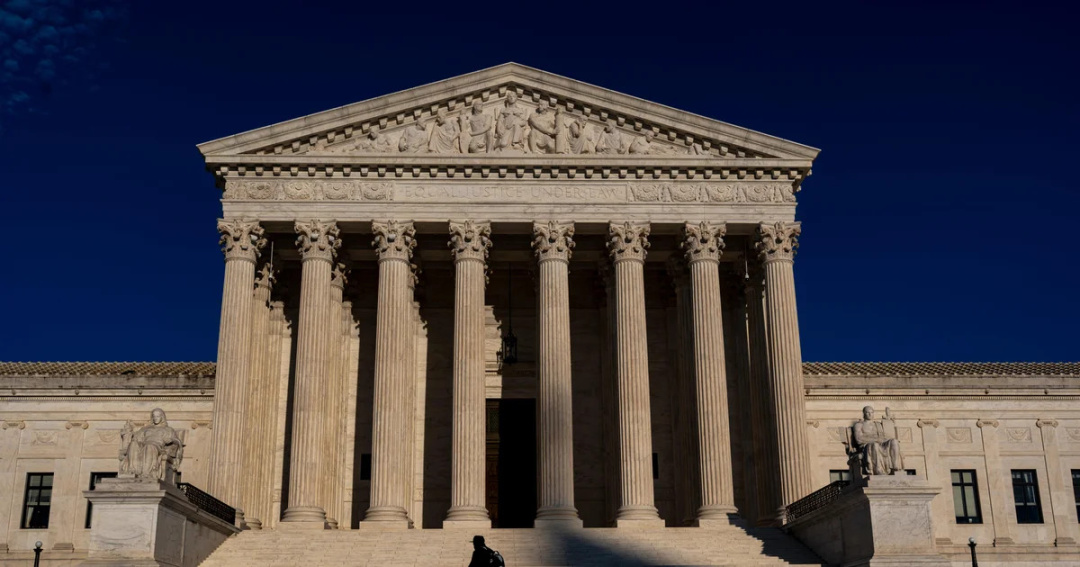
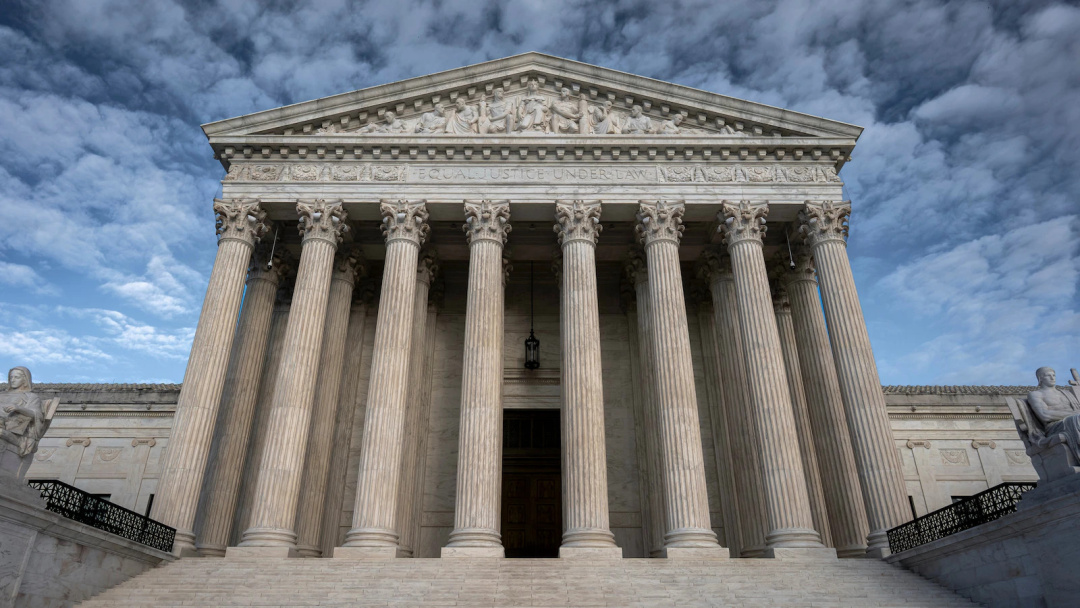
The Supreme Court is poised to commence its new term with several high-profile cases that could have lasting implications for American law and policy. Among the issues at stake are climate change accountability, immigration policies from the Trump administration, and the interpretation of the Second Amendment. These cases will not only shape legal precedents but also reflect the ongoing tensions between state and federal authority on critical issues affecting citizens.
On the very first day of the new term, the justices will hear a significant case involving Boulder, Colorado, which has filed a lawsuit against energy giants Suncor Energy and Exxon Mobil. The lawsuit seeks to hold these companies accountable for the alleged environmental damages caused by their fossil fuel products. The central question is whether federal law preempts the ability of Boulder County to pursue this lawsuit in state court, which could set a precedent for similar lawsuits across the nation. If the Supreme Court rules in favor of the energy companies, it could effectively block Boulder's claims and hinder other municipalities from seeking damages related to climate change.
Common Sense Shop
The United States of Common Sense
Amazon shopping links. Sponsor Complete!
Boulder County's legal team argues that the Constitution empowers states to address local harms caused by actions within their borders. They contend that the energy companies’ practices have inflicted significant costs on the community. The implications of this case are profound; a ruling against Boulder could signal a retreat from local accountability in favor of broader corporate protections.
In another case set for November 3, the Supreme Court will consider the exclusion of a Catholic preschool from Colorado's universal preschool program. The Archdiocese of Denver argues that the state's nondiscrimination requirements infringe upon its First Amendment rights by preventing it from admitting students who align with its religious beliefs. This case represents a critical examination of the intersection between state funding and religious liberty, as the court must determine whether the state can impose such restrictions on religious institutions.
Second Amendment Challenges Ahead
The Court will also tackle Second Amendment issues with cases challenging state laws that ban AR-15-style semiautomatic weapons. These challenges arise from laws in Connecticut and Cook County, Illinois, which have faced scrutiny under the new standards established by the Supreme Court in 2022 regarding gun rights. The outcomes of these cases could redefine the legal landscape surrounding firearm regulations and individual rights to bear arms.
As the term progresses, the justices will also deliberate on immigration-related cases, including those challenging the Trump administration's policies on deportations and the treatment of migrants. One notable case involves a federal district court's ruling that deemed the administration's practice of deporting migrants to third countries without sufficient notice as a violation of due process rights. This case highlights the ongoing legal battles surrounding immigration enforcement and the rights of individuals in the U.S. legal system.
The Common Sense Test
With these significant cases on the docket, the Supreme Court's new term promises to be a pivotal moment for constitutional interpretation and the balance of power between state and federal authorities. The decisions made in these cases will undoubtedly resonate across the nation, influencing both legal precedents and public policy for years to come.
As the Supreme Court navigates these complex issues, it is essential for the justices to apply a common-sense approach that respects individual liberties while also recognizing the roles of state and federal governments. The outcomes of these cases will not only impact the parties involved but will also set important legal standards that affect the rights and responsibilities of all Americans. The court's willingness to engage with these contentious issues will be closely watched, as the implications of their rulings will shape the future of American law and governance.