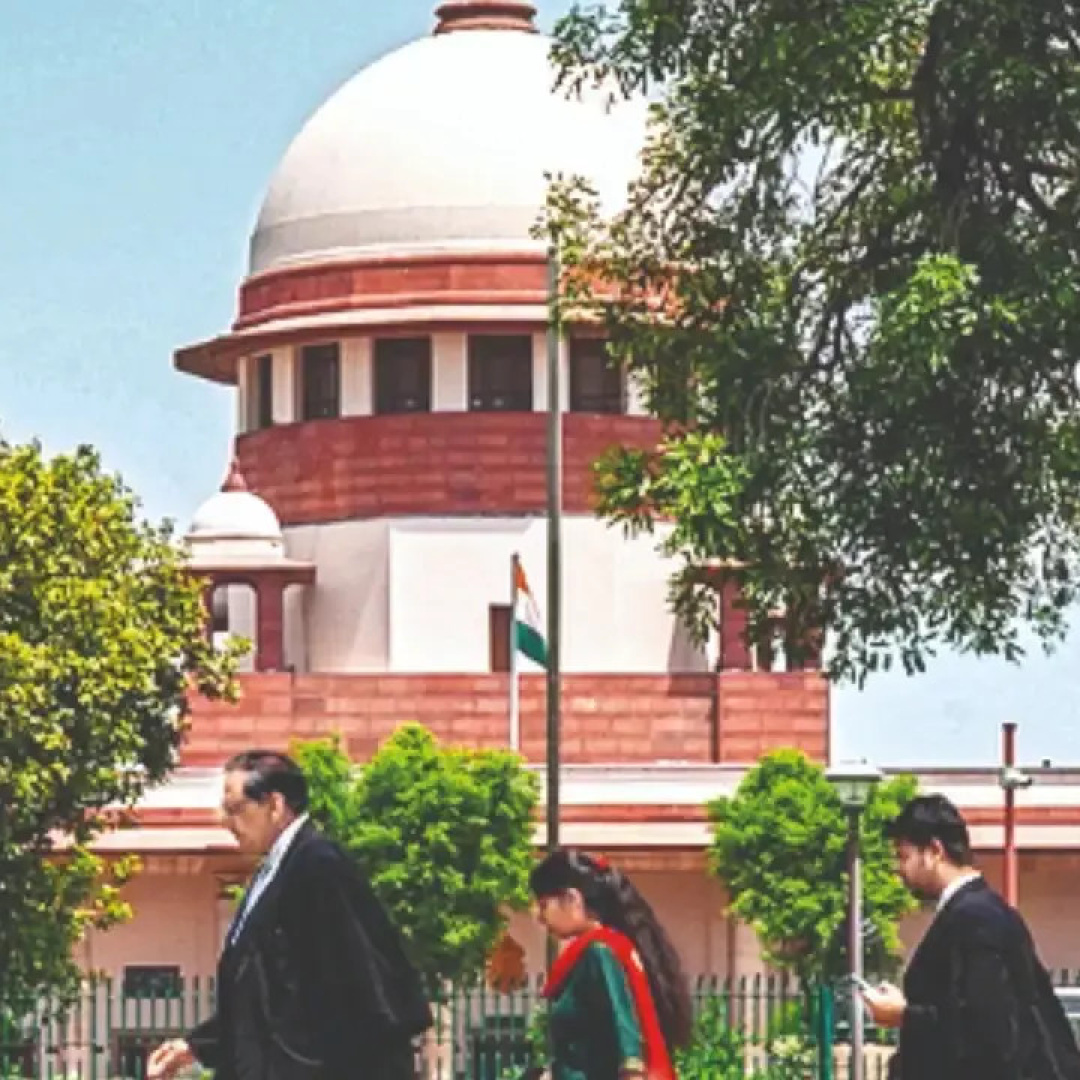
Justice Ujjal Bhuyan Critiques Voter Disenfranchisement in India

Justice Ujjal Bhuyan of the Supreme Court of India has launched a strong critique against the special intensive revision (SIR) process, which has resulted in the deletion of numerous names from voter lists across various states. Speaking at a moot court valedictory function at Nalsar University in Hyderabad, Justice Bhuyan asserted that any process that disenfranchises millions of citizens is fundamentally arbitrary and strikes at the heart of the Constitution. He dismissed the justifications provided by the government and the Election Commission for the SIR, which had previously been upheld with modifications by the Supreme Court in the context of West Bengal's electoral roll revision.
Justice Bhuyan emphasized that the right to vote is central to free and fair elections, stating, "Except in the case of a dead voter, the name of a voter once enlisted cannot be deleted without notice and hearing." He articulated that detaching the right to vote from a citizen is akin to removing the soul from a body, highlighting the intrinsic connection between citizenship and voting rights. The judge pointed out that the Indian Constitution does not recognize two classes of citizens—those with voting rights and those without. He warned that any process leading to the wholesale disenfranchisement of citizens violates Articles 326 and 14 of the Constitution, which guarantee universal adult franchise and equality before the law.
Common Sense Shop
The United States of Common Sense
Amazon shopping links. Sponsor Complete!
Justice Bhuyan's remarks come amid growing criticism from opposition parties and civil society regarding the SIR process. He noted that disenfranchising millions of citizens effectively reduces them to second-class status in their own country. The right to vote, he argued, is a manifestation of the hard-fought freedom that India achieved after years of struggle against colonial rule. He firmly stated that Article 326, which enshrines the principle of universal adult franchise, should remain inviolable, asserting that no authority or court can alter this fundamental right.
The Common Sense Test
The implications of Justice Bhuyan's comments are significant, as they underscore the ongoing debates surrounding electoral integrity in India. The criticism of the SIR process raises important questions about the government's commitment to ensuring that all eligible citizens retain their voting rights. As the nation approaches future elections, the discourse surrounding electoral reforms and the safeguarding of democratic processes will likely intensify, highlighting the need for accountability and transparency in the electoral system.