Trump Denies Offering Sanctions Relief Amid Ongoing Iran Negotiations
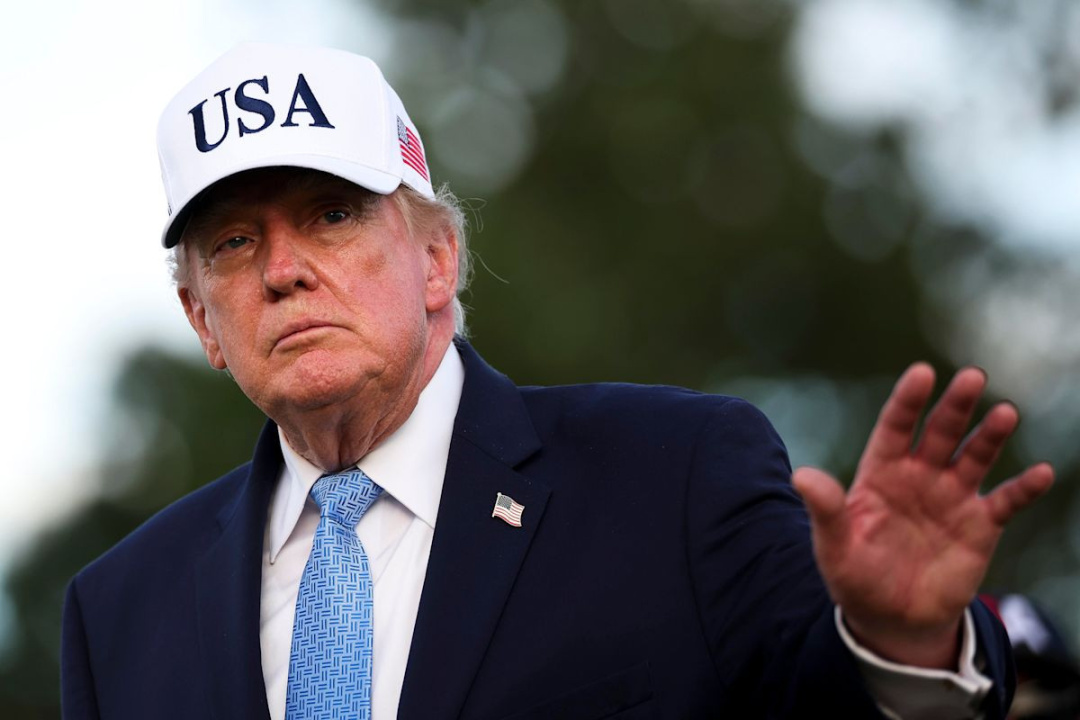
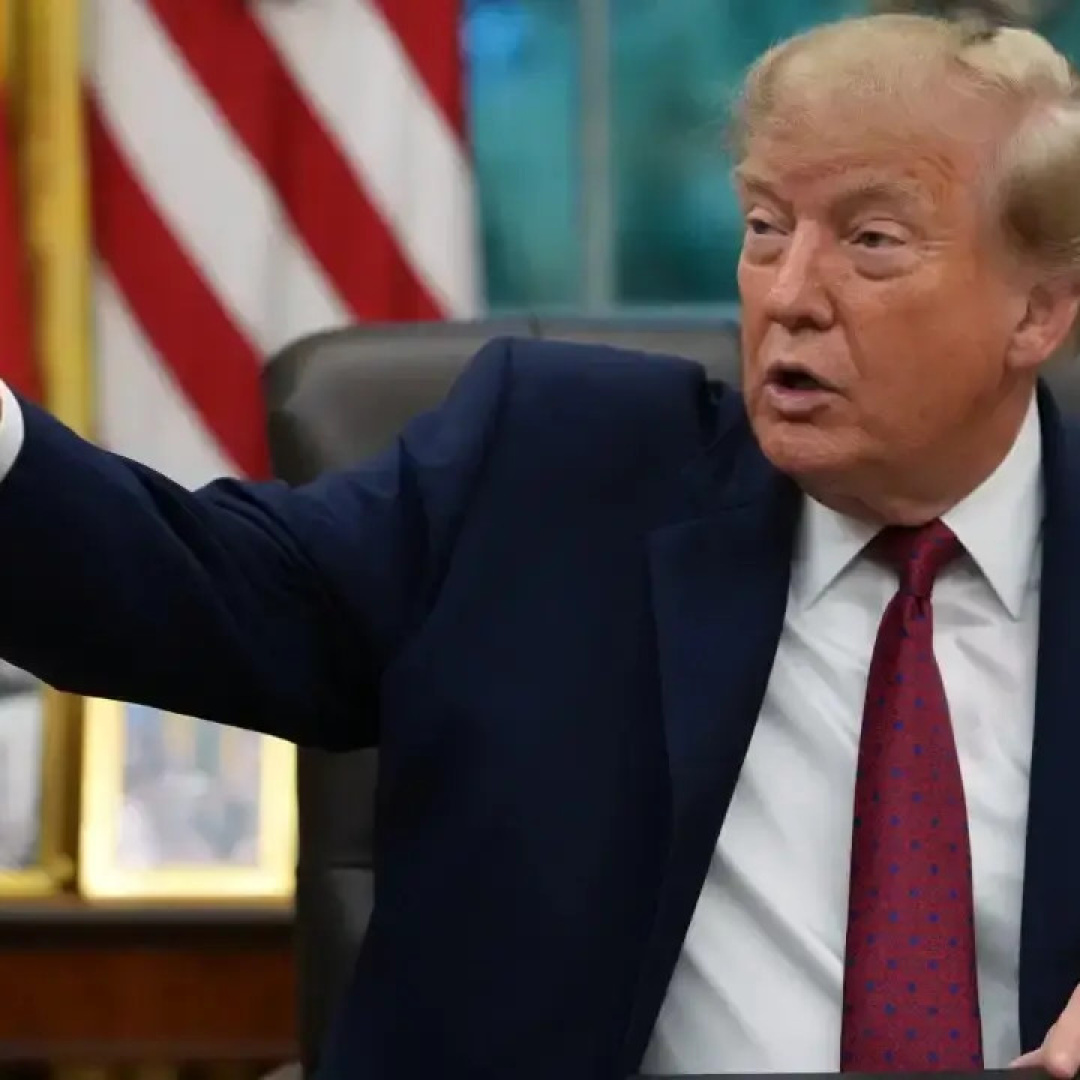
In the latest developments regarding U.S.-Iran relations, President Trump has firmly rejected claims that he offered Iran sanctions relief during ongoing negotiations mediated by third parties. The Iranian Foreign Minister, Abbas Araghchi, expressed expectations for a formal U.S. response to Tehran's proposal for a ceasefire and the phased reopening of the strategically vital Strait of Hormuz. However, Trump stated he has not made any concessions, directly contradicting a report from Axios that suggested otherwise.
Iran's proposal includes a seven-day ceasefire contingent upon the U.S. fulfilling conditions outlined in a memorandum of understanding that had previously collapsed. Trump has publicly dismissed this Iranian plan, asserting that the U.S. will not engage in negotiations that undermine its position. This ongoing standoff illustrates the complexities of international diplomacy, where the stakes include not just regional stability but also global economic repercussions.
Common Sense Shop
The United States of Common Sense
Amazon shopping links. Sponsor Complete!
In a show of continued pressure, the U.S. Treasury Department announced new sanctions targeting ten individuals and companies believed to be aiding Iran's military logistics. These sanctions are part of the Trump administration's Operation Economic Outcast, which aims to isolate Iran economically and politically. Treasury Secretary Scott Bessent emphasized that the U.S. will not tolerate any support for the Iranian regime, reinforcing the administration's hardline stance against Tehran.
Maj. Gen. Mohsen Rezaei of Iran's Supreme National Security Council commented on Trump's predicament, suggesting that the U.S. president is caught in a dilemma where he cannot effectively negotiate or escalate military action. This sentiment reflects the broader Iranian narrative that positions the U.S. as indecisive and trapped in a quagmire of its own making.
Efforts to Resolve Strait of Hormuz Crisis
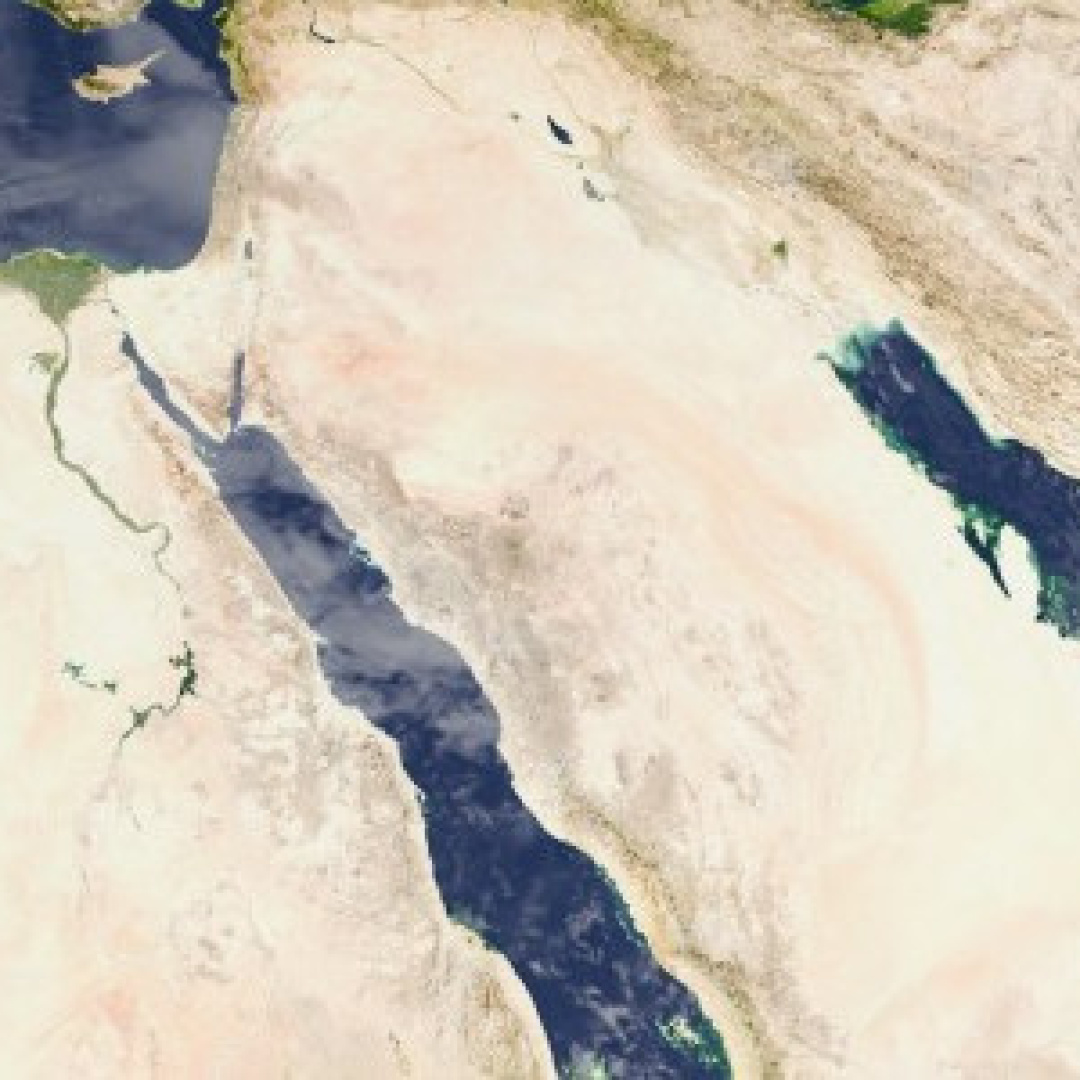
As the situation evolves, mediators continue to work towards a resolution that would see the reopening of the Strait of Hormuz, a critical chokepoint for global oil transportation. The closure of this strait has already caused significant disruptions in the global economy, prompting countries to seek alternative energy routes and contributing to rising fuel prices.
The U.S. military has also intensified its efforts to disrupt Iran's military supply chains, targeting individuals and firms globally that facilitate Iran's procurement of weapons. This strategy aims to degrade Iran's military capabilities while maintaining pressure for a diplomatic resolution. The stakes are high, as any miscalculation could lead to further escalation in an already volatile region.
The Common Sense Test
In related news, the Iranian economy continues to suffer under the weight of U.S. sanctions, with the value of the rial plummeting to record lows against the dollar. This economic strain is compounded by ongoing military conflicts and the international community's response to Iran's actions in the region. The Iranian government has denounced U.S. sanctions as bullying, seeking to rally domestic and international support against perceived American aggression.
As both sides await further developments, the question remains: will the U.S. respond to Iran's ceasefire proposal, or will tensions escalate further, leading to more severe consequences for both nations and the wider world?