Go Woke, Go Broke: Nike's Stock Plummets
Nike is facing a crisis as its stock price recently plummeted to a 12-year low, closing at $33.87 per share. This significant decline comes on the heels of a memo from CEO Elliott Hill, which emphasized a renewed focus on sports. Hill's memo, sent on October 1, contained 860 words, but it was the 33 that stated, "Over the past year, we've put sport at the center of everything we do" that raised eyebrows. This statement seems to reflect a realization that the company's previous political engagements may have strayed too far from its core identity.
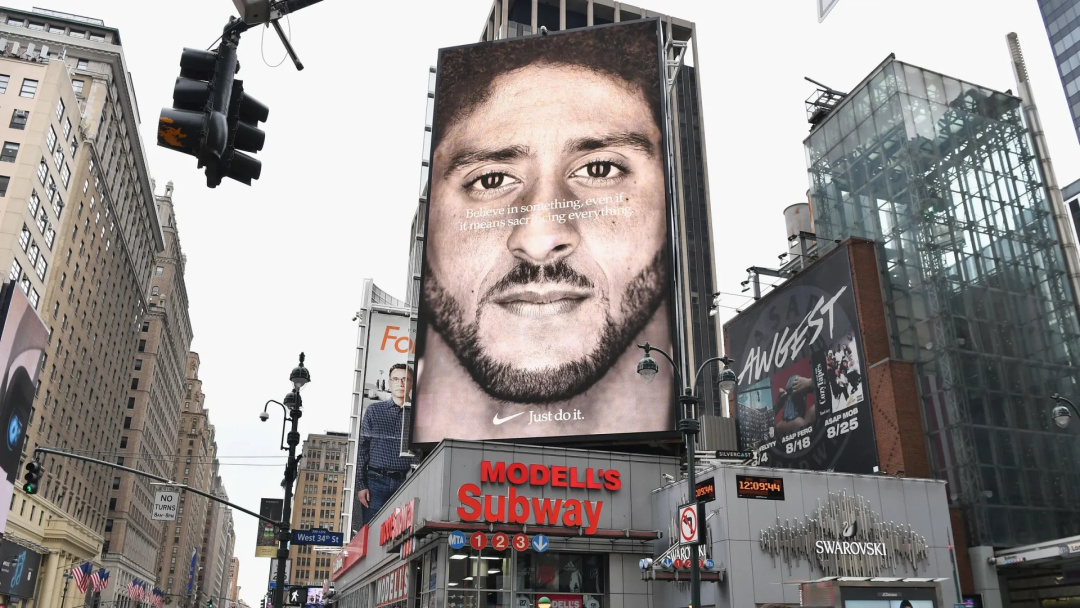
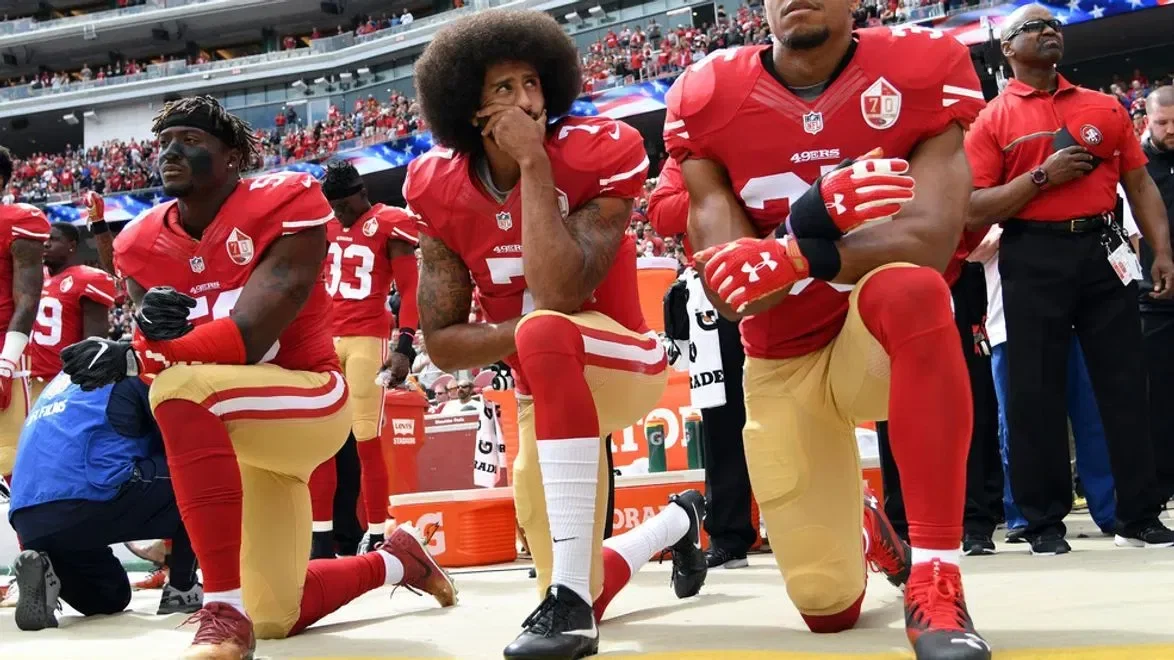
The athletic giant has made headlines for its politically charged marketing strategies, particularly since the appointment of Colin Kaepernick as the face of its "Just Do It" campaign in 2019. The backlash from such decisions has been palpable, especially following the death of George Floyd in 2020, which prompted Nike to release its "For Once, Don't Do It" ad. This ad urged viewers to confront racism, a move that alienated some of its consumer base. More recently, the partnership with Dylan Mulvaney, a transgender influencer, to promote women's activewear has further stirred controversy, especially in light of the backlash faced by Bud Light for similar reasons.
Common Sense Shop
The United States of Common Sense
Amazon shopping links. Sponsor Complete!
While it would be overly simplistic to attribute Nike's stock decline solely to these campaigns, the correlation is hard to ignore. The company reached an all-time high of $177.51 per share in November 2021, but the stock's subsequent 81% drop suggests that consumers are reacting to the company's perceived drift towards wokeness. This trend has led to a series of layoffs, with more expected in 2027, as the company struggles to align its business strategy with consumer expectations.
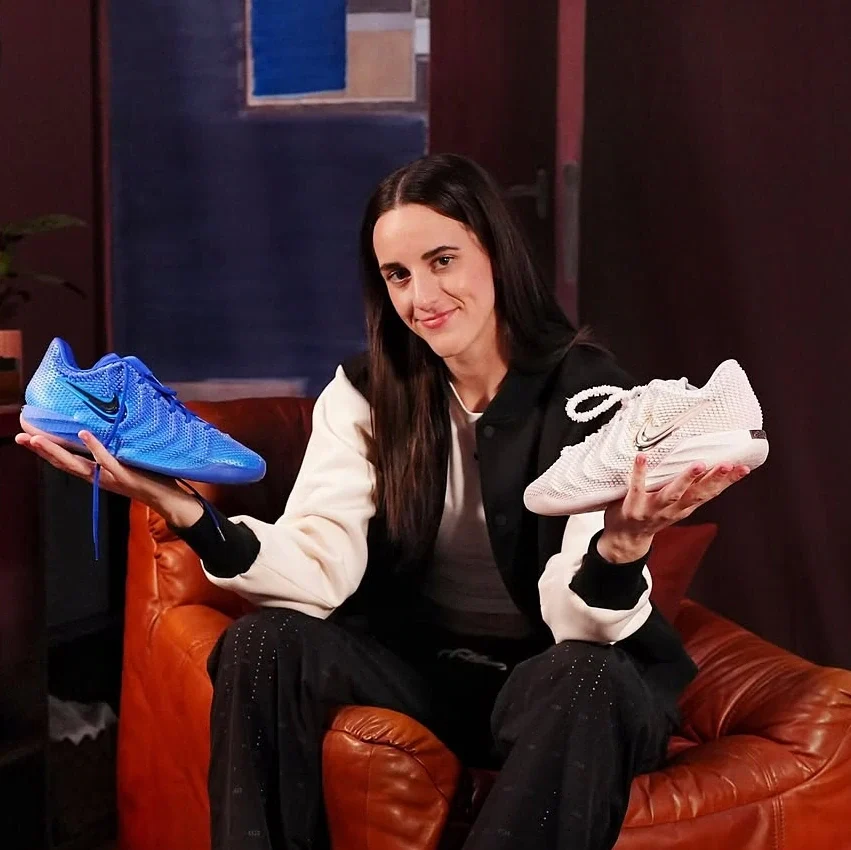
One glaring misstep was the delayed release of Caitlin Clark's signature sneaker, which came after the launch of A'ja Wilson's shoe, despite Clark's higher popularity among fans. This decision has been criticized as yet another example of Nike prioritizing identity politics over market demand. The company appears to have recognized that its focus on political messaging may have detracted from its primary mission of serving athletes and sports enthusiasts.
Nike's Shift Towards Athletic Focus
As Nike attempts to pivot back to its roots, Hill's memo also mentioned plans for a new campus in India and efforts to modernize its supply chain. However, the acknowledgment of needing to prioritize sports raises questions about the effectiveness of its previous marketing strategies. The injection of politics into athletics has historically led to consumer disengagement, as evidenced by the NBA's declining ratings post-2020.
The Common Sense Test
Nike's current predicament serves as a cautionary tale for corporations that veer too far into political territory. The brand's identity has been intertwined with social issues, but the financial repercussions of such a strategy cannot be ignored. As the company seeks to regain its footing in the market, it must consider whether its previous alliances with political causes have cost it the loyalty of its core customer base. The challenge now lies in balancing its brand messaging with the expectations of consumers who may feel alienated by its past decisions.
Ultimately, Nike's experience highlights the importance of staying true to one's brand identity. As the company navigates this turbulent period, it must reflect on the lessons learned from its foray into political activism. The question remains: can Nike successfully pivot back to a focus on sports without losing the progressive elements that have become part of its brand? The answer will likely determine its future success and relevance in the athletic market.