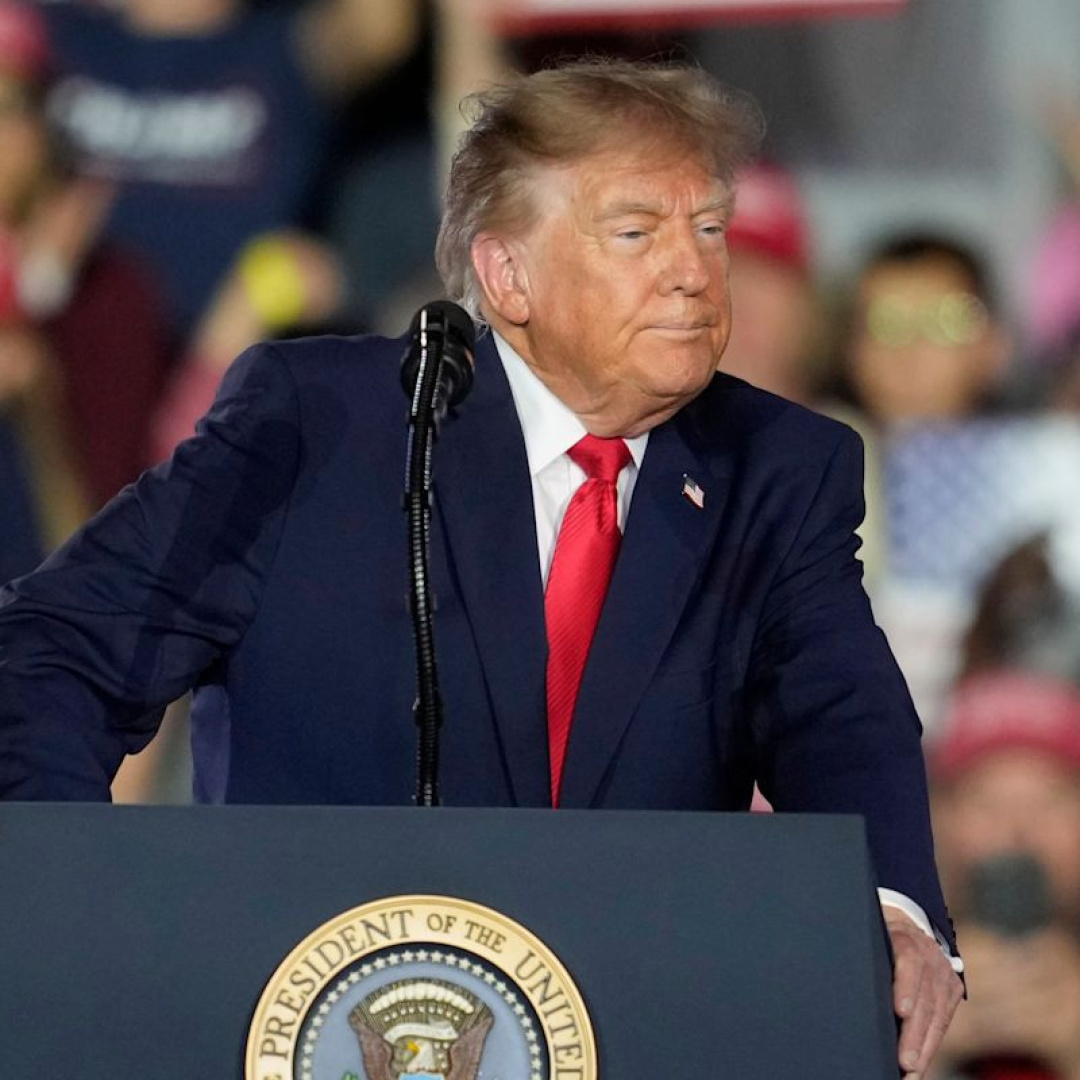
Democrats Outline Strategy to Block Trump’s Supreme Court Nominees
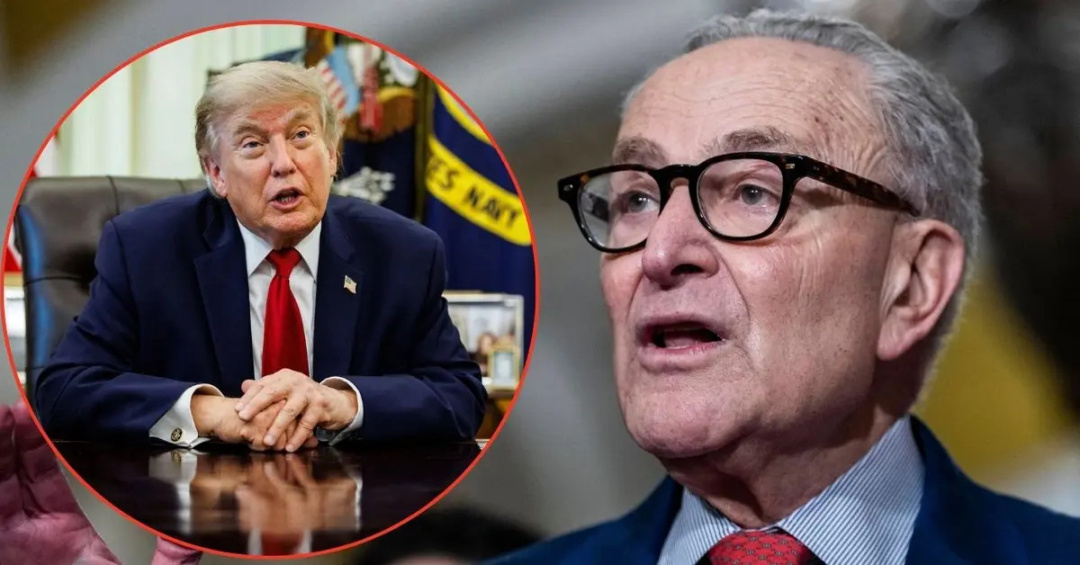
As the 2026 midterm elections approach, Senate Democrats are laying out their strategy to counter President Donald Trump's influence on the Supreme Court. Senate Minority Leader Chuck Schumer and Senator Richard Blumenthal have made it clear that if they regain control of the Senate, they will block any Supreme Court nominations from Trump, echoing the tactics previously employed by Mitch McConnell against President Barack Obama's nominee, Merrick Garland.
Senator Ruben Gallego of Arizona has voiced strong support for this approach, stating, "We've got to do exactly what McConnell did to us," suggesting that Democrats should seek to level the playing field in the face of what they perceive as unfair judicial appointments by the Trump administration. Schumer has underscored the urgency of this strategy, arguing that allowing Trump to appoint justices would result in the installation of what he refers to as "horrible justices, MAGA justices" on the Supreme Court and lower courts.
Common Sense Shop
The United States of Common Sense
Amazon shopping links. Sponsor Complete!
The precedent set by McConnell has significantly altered the dynamics of Supreme Court nominations, and Democrats are poised to leverage this change to their advantage. Blumenthal, a senior member of the Judiciary Committee, has indicated that the likelihood of supporting any nominee from Trump's administration is "slim to none," citing concerns that such nominees would act as political agents rather than impartial justices.
The backdrop of this political maneuvering includes the high-profile nomination of Merrick Garland, who was put forward by Obama after Justice Antonin Scalia's passing in 2016. McConnell's refusal to hold hearings for Garland, arguing that the seat should remain vacant until after the election, set a controversial standard that Republicans later did not adhere to when confirming Amy Coney Barrett shortly before the 2020 election.
Democrats Prepare for Judicial Nominee Battles
Schumer has expressed skepticism about Trump's judicial nominees, suggesting that if they are as unqualified as some current appointees, they will face significant hurdles in a Democratic-controlled Senate. The power dynamics in the Senate allow committee chairs to stall nominations, and the majority leader can choose not to bring a nomination to a vote, effectively blocking it.
Senate Majority Whip John Barrasso, a Republican from Wyoming, has stated that a Democratic Senate would undoubtedly block every single one of Trump's nominees, including those for key Cabinet positions and judicial appointments. This strategic positioning underscores the high stakes of the upcoming elections, where Democrats need to gain a net of four seats to reclaim the Senate.
The Common Sense Test
Justice Samuel Alito, who has contemplated retirement, and Justice Clarence Thomas, the court's oldest member, have not announced any plans to step down, adding another layer of complexity to the judicial landscape. Should a new appointment occur, it would mark Trump's fourth Supreme Court justice, following Neil Gorsuch, Brett Kavanaugh, and Amy Coney Barrett.
In light of these developments, the implications for the Supreme Court and the broader judicial landscape are profound. The Democrats' commitment to blocking Trump's nominees reflects a strategic approach that prioritizes political power over judicial impartiality. As the midterms draw closer, voters will need to consider the long-term consequences of such tactics on the integrity of the judiciary and the principles of fairness in the nomination process.