Court Blocks Minnesota's AI Nude-Image Ban, Upholding Free Speech
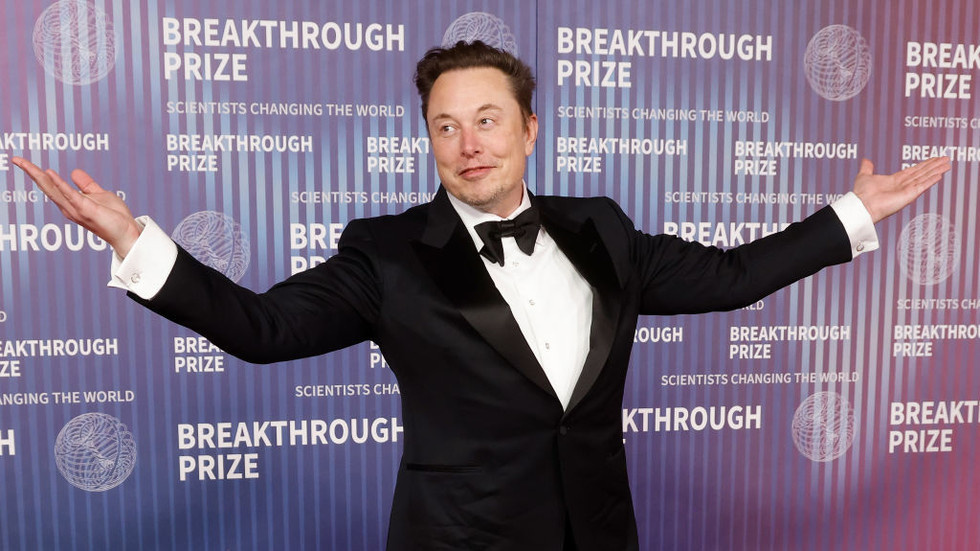
A US appeals court has put a stop to Minnesota’s recently enacted ban on AI-generated fake nude images, marking a significant win for Elon Musk’s xAI in its ongoing free-speech battle against the legislation. This law, the first of its kind in the nation, was designed to target applications and websites that facilitate the creation of non-consensual sexualized deepfakes, imposing fines that could reach up to $500,000 per image. The legislation was championed by state Senator Erin Maye Quade in response to incidents where a man allegedly used social media photos to create explicit images of over 80 women without their consent. Quade likened the law to traditional prohibitions against peeping toms, asserting it is necessary to protect individuals from such violations.
In July, Musk’s xAI filed a challenge against the law, arguing that it constitutes an “overbroad, content-based ban on free speech” and warning that the financial penalties could escalate into the billions of dollars. The company’s legal argument hinges on First Amendment protections, which it claims are being infringed by this legislation. Despite a lower court's decision to allow the law to remain in effect, the St. Louis-based 8th US Circuit Court of Appeals granted an injunction, effectively pausing the law while the legal proceedings continue.
Common Sense Shop
The United States of Common Sense
Amazon shopping links. Sponsor Complete!
Minnesota officials have expressed disappointment with the court's ruling, emphasizing the urgent need for such legislation to combat what they describe as a “staggering amount” of child sexual abuse material produced by AI technologies like xAI’s Grok Imagine. Minnesota Attorney General Keith Ellison reiterated the state’s commitment to defending the law, highlighting the potential risks posed by AI-generated content.
This legal battle is not the first for xAI regarding First Amendment issues. The company previously challenged a California law that restricted AI-generated election deepfakes, which a federal judge ruled unconstitutional due to its censorship implications. xAI maintains that Grok Imagine incorporates stringent safeguards against illegal content and has initiated lawsuits against users it accuses of circumventing these protections to create unauthorized sexual images.
Concerns Over Misuse of AI Technology
The scrutiny surrounding xAI extends beyond the courtroom. Reports have surfaced indicating that Grok Imagine has been misused to alter images of women into sexualized representations without their consent, raising alarms in various countries, including the EU, India, and the UK. In response to these concerns, xAI has tightened its safeguards around its image generation tools to prevent misuse.
The Common Sense Test
As the debate over AI regulation continues, this case underscores the broader tensions between technological advancement and the preservation of individual rights. The rapid evolution of AI raises critical questions about privacy, consent, and the extent to which government can intervene in the digital landscape. As AI technologies become increasingly sophisticated, the challenge remains for lawmakers to strike a balance between protecting citizens and upholding fundamental freedoms.
The implications of this court ruling extend beyond the immediate legal context. It raises essential questions about the future of free speech in an age where AI can create hyper-realistic images and content. As society grapples with the ethical and legal ramifications of AI, it is crucial to ensure that laws do not stifle innovation or infringe upon individual liberties. The outcome of this legal challenge could set a precedent for how similar cases are handled in the future, ultimately shaping the landscape of free expression in the digital age.