Supreme Court Faces Major Cases on Gun Rights and Religious Freedom
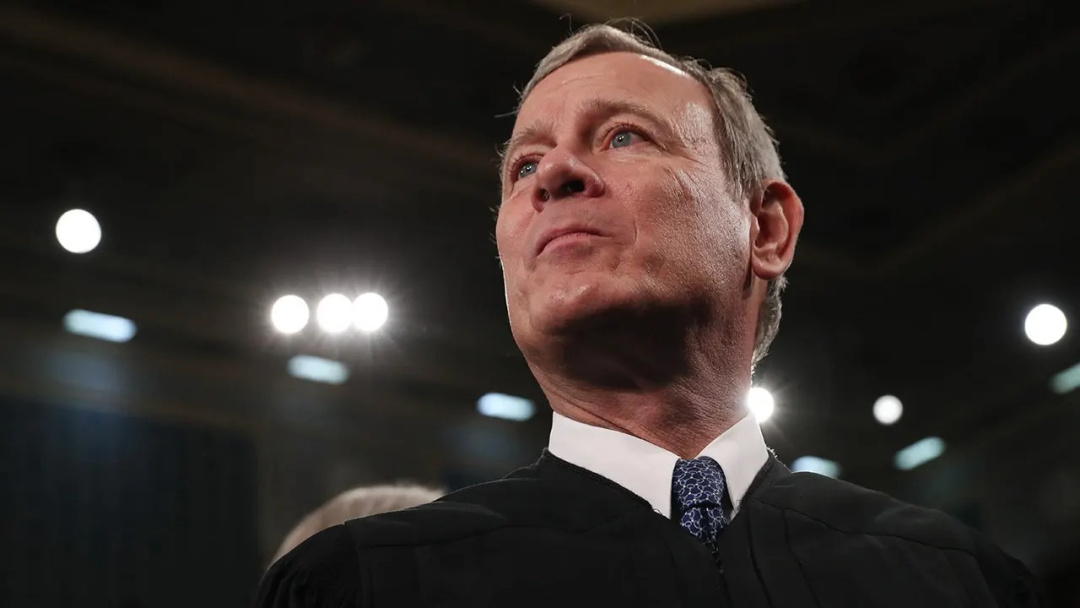
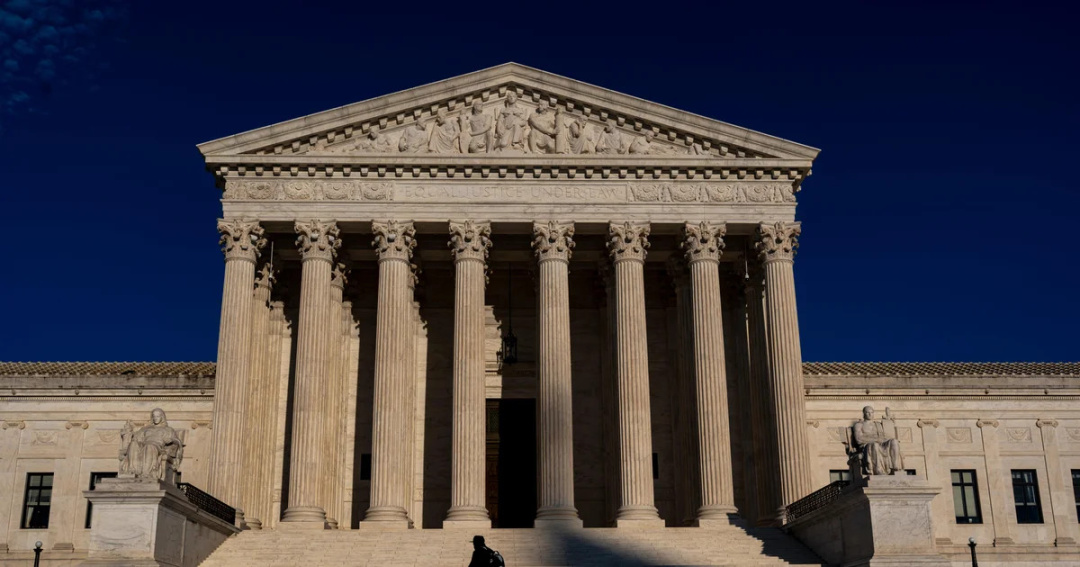
As the Supreme Court opens its new term, justices will hear oral arguments on a variety of pivotal cases that could reshape the landscape of gun rights, religious freedom, and immigration policy. This term promises to be significant, with cases that not only challenge the limits of government power but also test the balance between state and federal authority.
One of the most anticipated cases is Suncor Energy v. Boulder County, which examines whether Colorado can use state tort law to hold oil companies accountable for climate-related damages. The crux of the case lies in whether federal law, particularly the Clean Air Act, preempts state claims. Suncor and ExxonMobil argue that the federal government holds the jurisdiction over emissions, thus limiting Colorado's ability to impose its regulations. If Colorado succeeds, it could set a precedent that allows states to extend their regulatory reach beyond their borders, raising concerns about the implications for businesses operating nationwide.
Common Sense Shop
The United States of Common Sense
Amazon shopping links. Sponsor Complete!
In addition to climate litigation, the Court will also address significant issues surrounding voting rights. The case Republican National Committee v. Mi Familia Vota involves an Arizona law that requires proof of U.S. citizenship for certain voter registrations. This law aims to ensure the integrity of the electoral process by preventing non-citizens from voting in state and local elections. The Supreme Court's decision will clarify whether the National Voter Registration Act allows Arizona to impose such requirements, potentially impacting how states manage their voter rolls.
Religious Freedom vs. State Regulations
Another critical case involves the rights of religious institutions, specifically St. Mary Catholic Parish v. Roy. This case questions whether Colorado can exclude Catholic preschools from its universal preschool program due to their religious policies that conflict with state anti-discrimination laws. The Catholic schools argue that adhering to their religious beliefs should not disqualify them from receiving state funding available to other private institutions. This case exemplifies the ongoing struggle between religious liberty and state mandates, with significant implications for how religious organizations operate within public frameworks.
The Common Sense Test
The Supreme Court's decisions in these cases will not only affect the parties involved but also set important precedents regarding individual rights and government authority. As the Court navigates these complex issues, it will be crucial to observe how it balances the principles of federalism with the need to uphold constitutional rights.
Ultimately, the outcomes of these cases will reflect the Court's stance on the delicate interplay between state and federal powers, as well as the protection of individual liberties. As the justices deliberate, the implications for American society and governance will be profound, underscoring the importance of judicial interpretations in shaping the future of constitutional rights and the limits of government intervention.