Supreme Court Hears Climate Lawsuit Jurisdiction Arguments
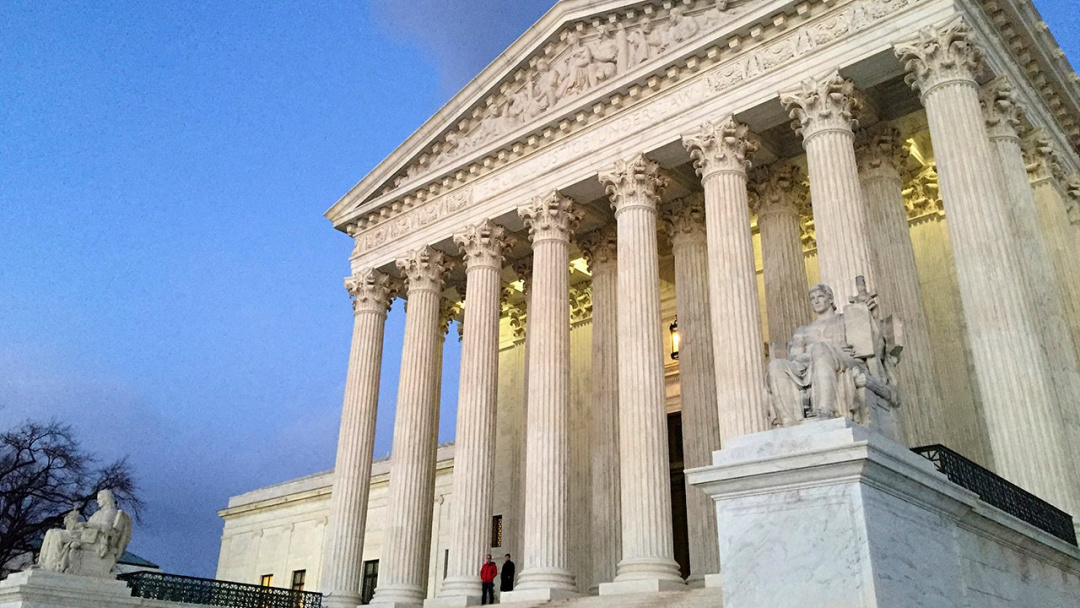
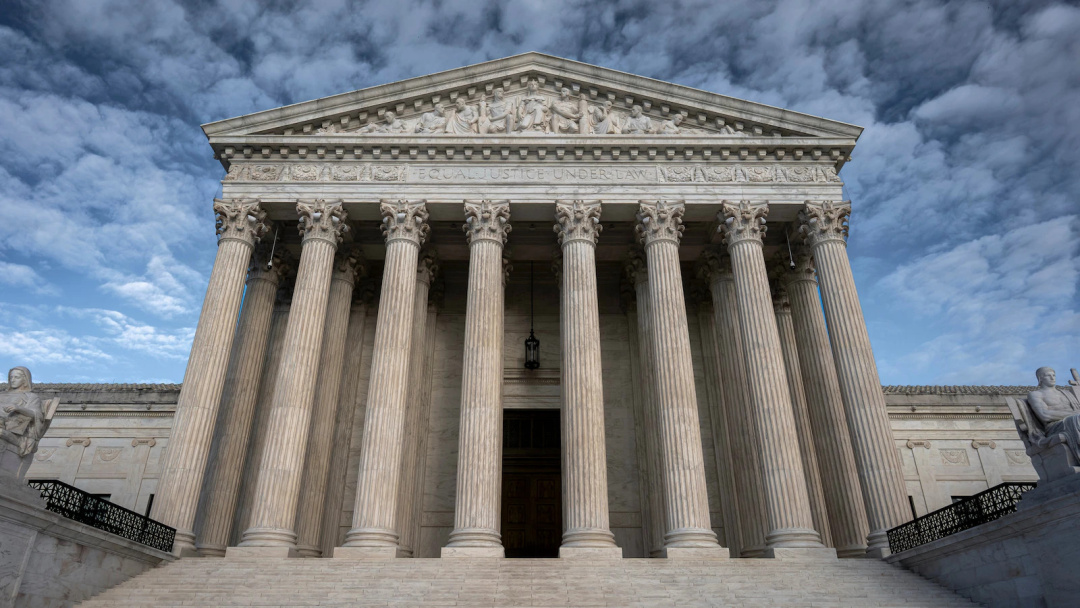
The Supreme Court launched its new term on Monday with pivotal oral arguments that could reshape the landscape of climate-related litigation. At the heart of the debate is whether lawsuits filed by local and state governments against energy companies for alleged climate change damages should be heard in state courts or federal courts. This case is particularly significant as it addresses the broader question of environmental liability and the jurisdictional authority of state versus federal law.
Eight justices engaged in nearly two hours of discussion, probing the implications of allowing such lawsuits to proceed in state courts. Absent from the proceedings was Justice Samuel Alito, who recused himself after concerns were raised regarding his stock ownership in oil companies, although not in the companies involved in the current case.
Common Sense Shop
The United States of Common Sense
Amazon shopping links. Sponsor Complete!
Local governments, including Boulder County, have sought billions in damages, arguing that these funds are necessary to address the impacts of climate change, such as wildfires and rising sea levels exacerbated by fossil fuel emissions. The Colorado Supreme Court had previously allowed Boulder County's case against energy giants Suncor and ExxonMobil to proceed, setting the stage for this high-profile Supreme Court review.
The companies, supported by the Trump administration, contend that climate change is a national issue that should be adjudicated in federal court, where similar lawsuits have often been dismissed. They argue that the Clean Air Act limits the authority of individual states to regulate emissions, emphasizing that climate change is a global problem requiring a coordinated national response rather than localized litigation.
Judicial Perspectives on Climate Litigation
Chief Justice John Roberts emerged as a potential swing vote during the arguments, posing challenging questions to both sides. He noted that the court has previously permitted state courts to handle cases with broad implications across state lines, raising the question of why climate-related lawsuits should be treated differently. Justice Elena Kagan drew parallels between these climate lawsuits and past cases against tobacco and opioid manufacturers, suggesting that states have historically held the right to regulate harmful practices affecting their citizens.
Conversely, Justice Brett Kavanaugh expressed concerns about the ramifications of allowing numerous multi-jurisdictional lawsuits to proceed, warning that it could lead to significant financial burdens on defendants. He highlighted that such litigation could potentially bankrupt companies if they are inundated with lawsuits from various states.
The Common Sense Test
The current legal battle is part of a larger trend, with multiple states and municipalities across the country pursuing similar lawsuits against energy companies. Boulder County initiated its lawsuit in 2018, claiming that these firms have misled the public regarding their contributions to climate change and that financial penalties are necessary to mitigate ongoing environmental harm.
As the justices deliberate, the potential for a 4-4 tie looms large due to Alito's absence, which could leave the lower court's decision intact, allowing the Boulder County lawsuit to proceed in state court. The court's decision is expected by next spring, and it will likely have far-reaching implications for the future of environmental litigation in America.