Pakistan Implements Fuel Subsidies for 9 Million Amid Rising Prices
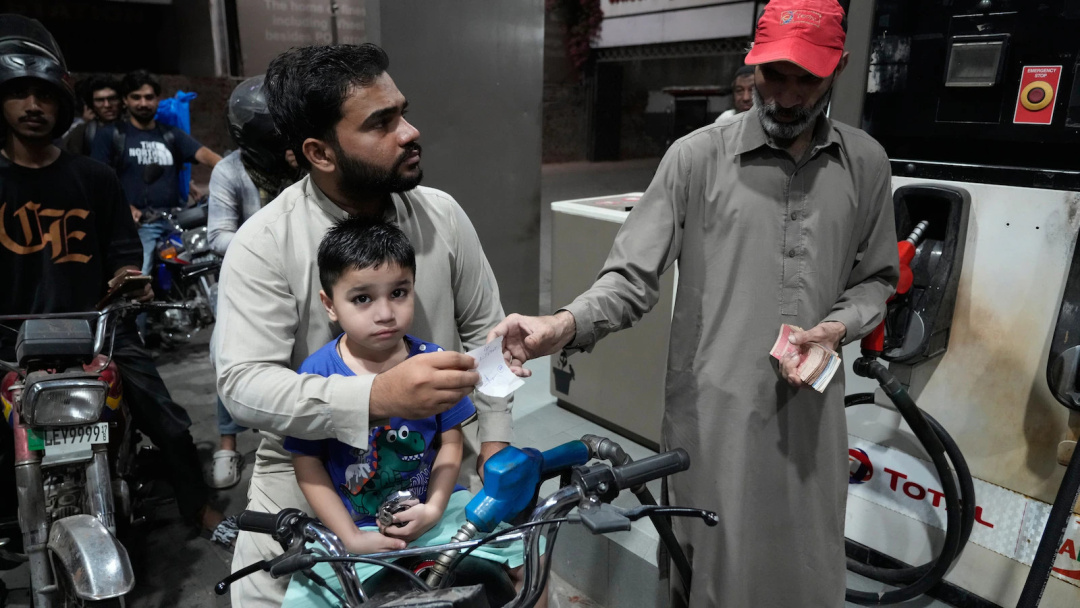
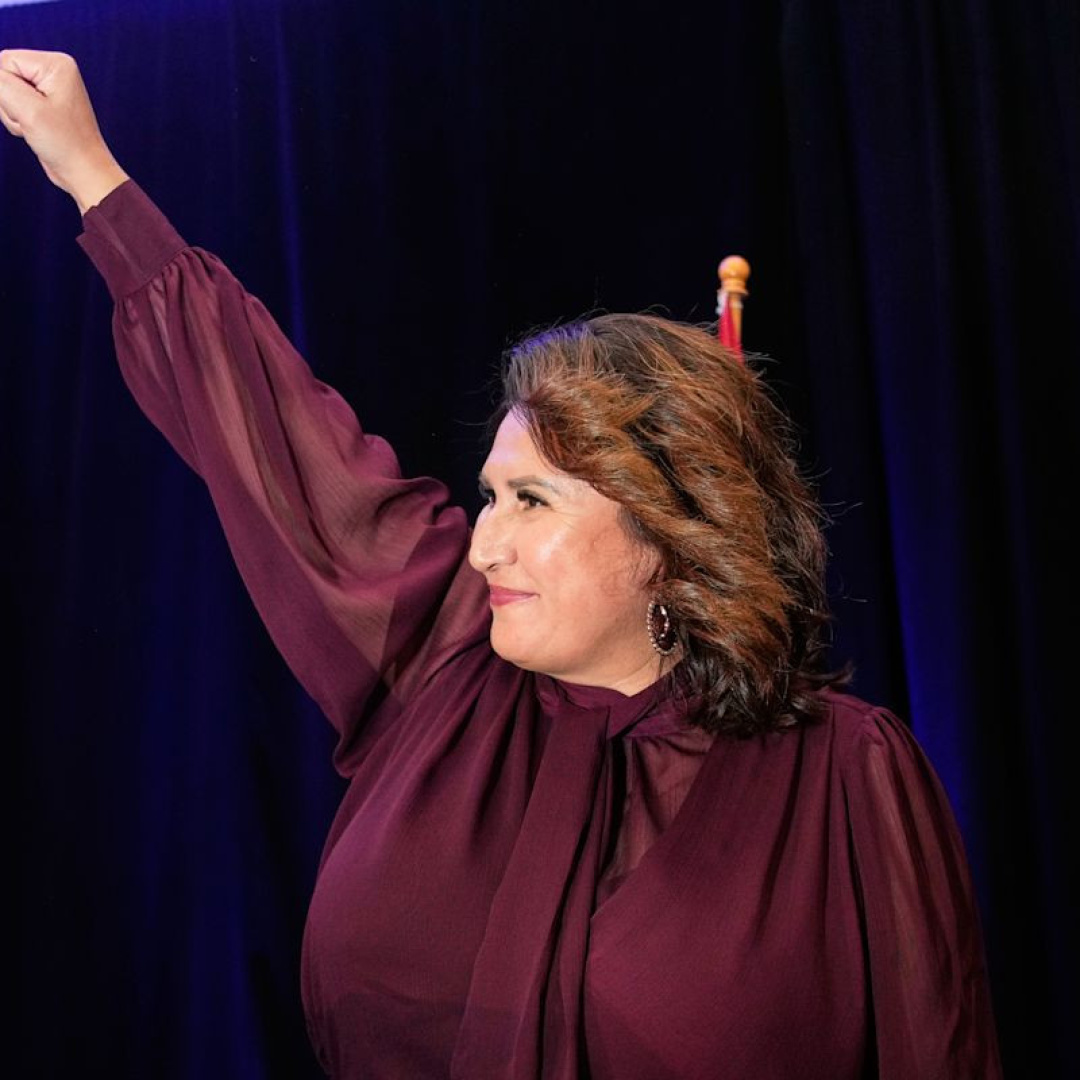
Pakistan's government has launched a fuel subsidy initiative targeting more than 9 million low-income individuals as energy prices surge due to the ongoing U.S.-Iran conflict. Information Technology Minister Shaza Fatima Khawaja announced the program on Tuesday, emphasizing its role in easing the financial strain on citizens amid escalating geopolitical tensions that have inflated global fuel costs.
Khawaja described this initiative as Pakistan's first nationwide application of technology to deliver targeted fuel subsidies, ensuring a smooth and efficient process for beneficiaries. The rising costs of petrol and diesel have compounded the challenges faced by a nation already grappling with high inflation, further increasing transportation, food, and living expenses, and raising concerns about potential anti-government protests.
Common Sense Shop
The United States of Common Sense
Amazon shopping links. Sponsor Complete!
Approved by Prime Minister Shehbaz Sharif last month, the subsidy program offers financial relief primarily to motorcycle riders, rickshaw operators, and small car owners, many of whom rely on their vehicles for daily work and travel. The subsidies were introduced following threats from Jamaat-e-Islami, a prominent Islamist political party, to mobilize protests in Islamabad demanding reductions in fuel taxes.
Since the onset of the U.S.-Iran war earlier this year, fuel prices in Pakistan have surged by over 50%, exacerbating the cost of living for households. The Sharif administration argues that these subsidies are designed to help low-income motorists access gasoline at prices comparable to those before the conflict began.
Details of the Fuel Subsidy Program
Petroleum Minister Ali Pervaiz Malik reported that the program currently benefits over 9 million people. Eligible motorists receive a token via text message, which they present at participating gas stations for verification before applying the discount. The type of vehicle determines the amount and frequency of assistance.
Motorcycle and three-wheeler users qualify for a weekly discount of 500 rupees ($1.79), with a cap of four tokens per month, translating to a maximum monthly aid of 2,000 rupees ($7.14). Meanwhile, owners of cars with engines up to 800 cubic centimeters can receive a discount of 100 rupees (36 cents) per liter on up to 10 liters of gasoline every 10 days, allowing for three tokens a month and potential savings of up to 3,000 rupees ($10.71).
The Common Sense Test
Amir Shahzad, a resident of Islamabad, expressed that the subsidy sufficiently covers his daily commute; however, he noted that longer trips would require purchasing fuel at the prevailing market price. Pakistan's reliance on loans from the International Monetary Fund complicates the situation, as the IMF has urged the government to reduce subsidies on various commodities, including wheat.
As Pakistan navigates these economic challenges, the effectiveness of the subsidy program will be closely scrutinized. The government must balance the immediate needs of its citizens with the pressures from international financial institutions. Addressing the root causes of inflation and ensuring sustainable economic growth will be crucial in the coming months, as the current measures may only provide temporary relief in a complex and evolving economic landscape.