GOP Senators Criticize Hegseth's Military Leadership Cuts
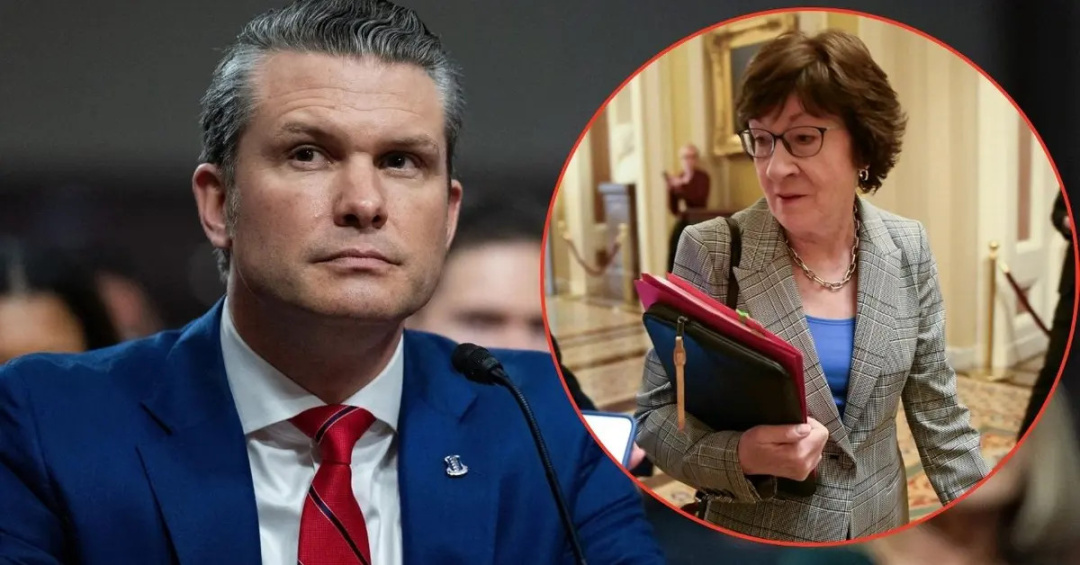
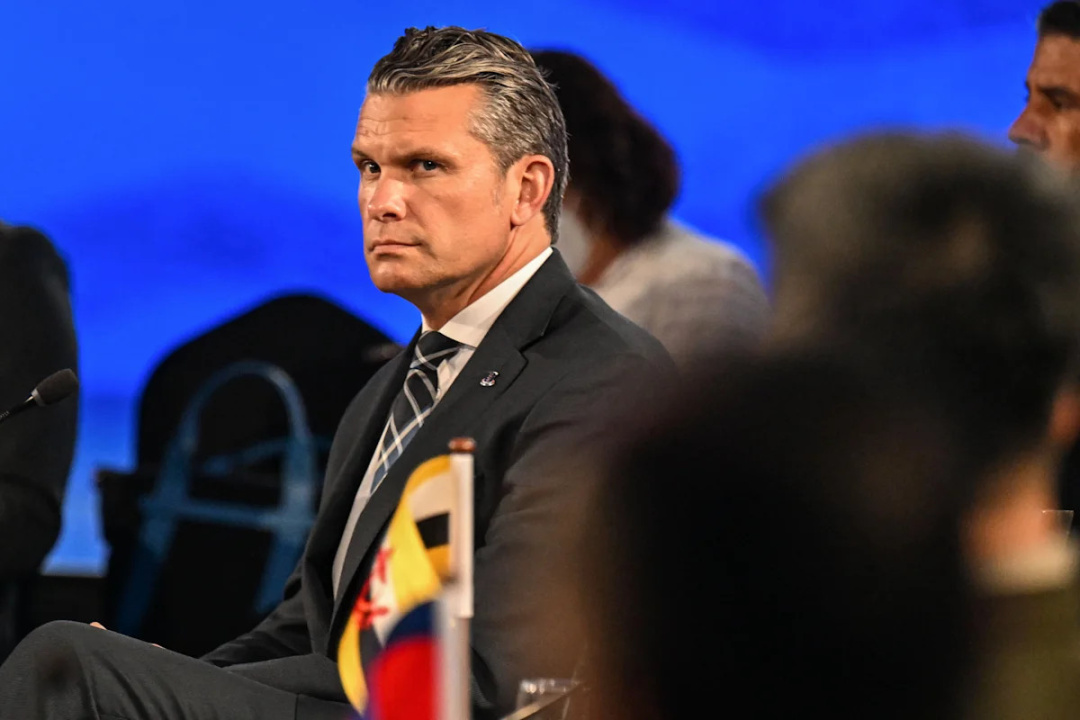
Republican senators are voicing their discontent with Defense Secretary Pete Hegseth's recent announcement to cut 20% of the military's generals and admirals, claiming they were caught off guard by the decision. Sen. Susan Collins of Maine expressed her distress over the pattern of promotions being disrupted, indicating that the approach may disproportionately affect women and people of color within the military ranks. Hegseth, who described the cuts as necessary accountability, stated, "You can't change a culture with the same people who enabled it. Personnel is policy at every single level."
Senate Armed Services Committee Chairman Roger Wicker of Mississippi noted that he was informed about the cuts only shortly before the public announcement, stating, "I wouldn't have made that a priority if I had been asked. I didn't get a long lead." This sentiment was echoed by Sen. Joni Ernst of Iowa, who indicated that neither Republicans nor Democrats on the oversight and appropriations committees were consulted before the cuts were made. While she acknowledged that a 20% reduction might be warranted, she criticized Hegseth for failing to communicate with Congress beforehand, a pattern that has been noted in previous military personnel removals.
Common Sense Shop
The United States of Common Sense
Amazon shopping links. Sponsor Complete!
Collins, who chairs the Senate Appropriations Committee, articulated her concerns about the potential targeting of minority officers, stating that the military's promotion system has historically been a meritocracy. She expressed that the method of implementing these cuts seems ideologically driven rather than based on performance. "There may be a need to reduce the overall number of flag officers at the Pentagon, but this approach seems to be targeted on ideology," Collins remarked.
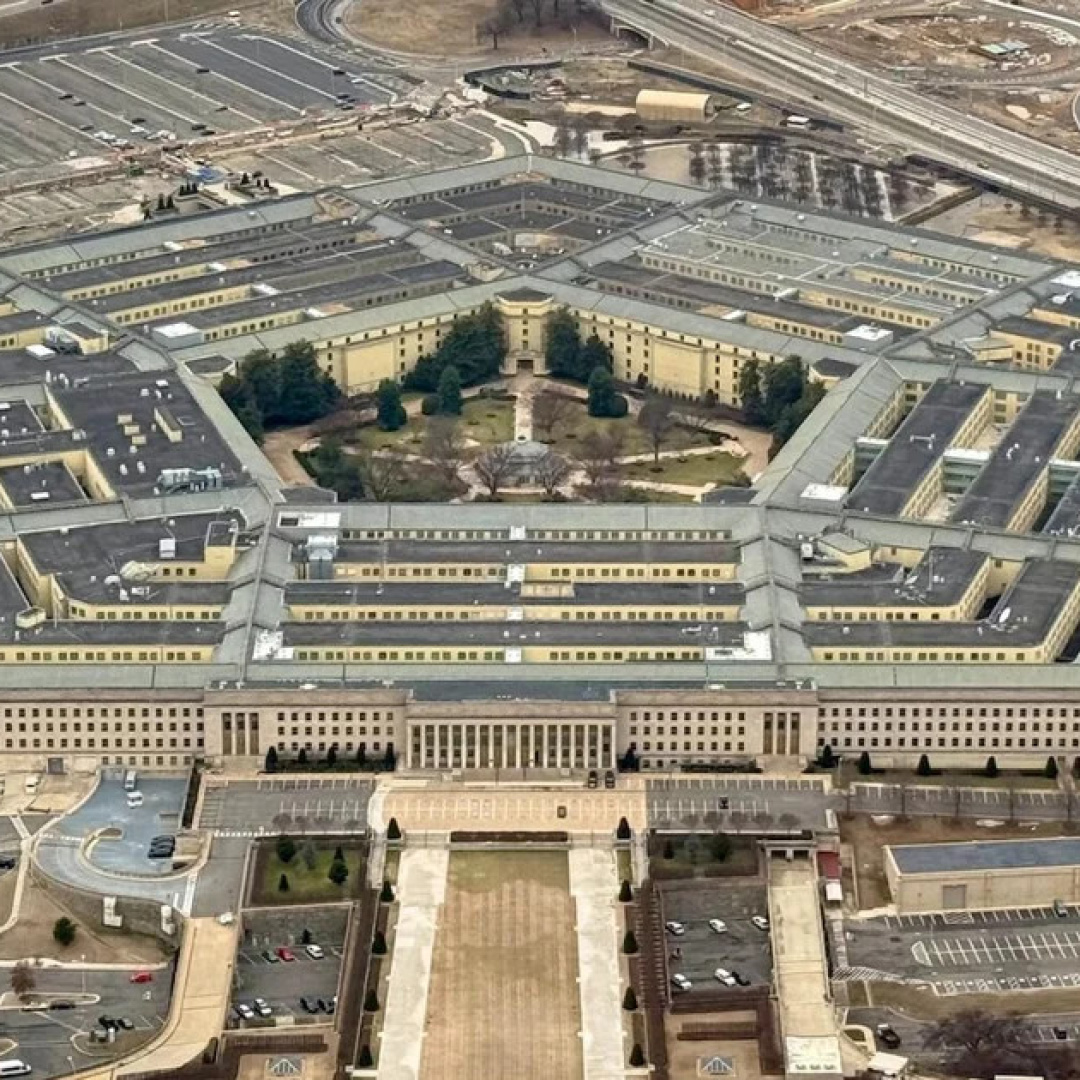
The cuts follow a series of high-profile removals initiated by Hegseth since February 2025, including the dismissal of Gen. Charles Q. Brown Jr. and Adm. Lisa Franchetti. These actions have sparked significant debate over the leadership and direction of the military. Army Secretary Daniel P. Driscoll reportedly resigned after raising concerns about the removal of experienced leaders, while Sen. Jack Reed, the ranking Democrat on Armed Services, labeled the removals as illegal.
Senators Question Hegseth's Communication with Congress
Sen. Thom Tillis of North Carolina criticized Hegseth for not engaging with the committees responsible for funding the Department of Defense, stating, "Too much time has passed, and he's failed to respect Congress. He's never really given us fulsome briefings." This lack of communication raises broader questions about the relationship between the Pentagon and Congress, particularly regarding military oversight and accountability.
The Common Sense Test
As the debate continues, the implications of Hegseth's cuts remain to be seen. The military's ability to maintain effective leadership while ensuring diversity and meritocracy is a delicate balance that will require careful consideration from lawmakers. The ongoing scrutiny of these decisions underscores the need for transparency and accountability in military leadership, particularly as the U.S. navigates complex global security challenges.
Ultimately, the question remains whether Hegseth's approach will lead to a more effective military structure or if it will undermine the very principles of merit and diversity that the armed forces strive to uphold. As Congress continues to grapple with these changes, the necessity for open dialogue and collaboration between military leadership and lawmakers is more critical than ever. The future of military leadership in the U.S. hinges on finding a path that respects both accountability and the values that define the armed forces.