AfD's Tobias Rausch Elected Speaker in Historic Saxony-Anhalt Vote
In a significant political milestone, approximately 500 demonstrators gathered in Cathedral Square, Magdeburg, on October 6 to express their opposition to the rise of the far-right in Germany. Their banners read, "Against Forgetting — Fascism Must Remain a Crime," and "No cooperation with the far right," signaling widespread concern over the implications of this political shift.
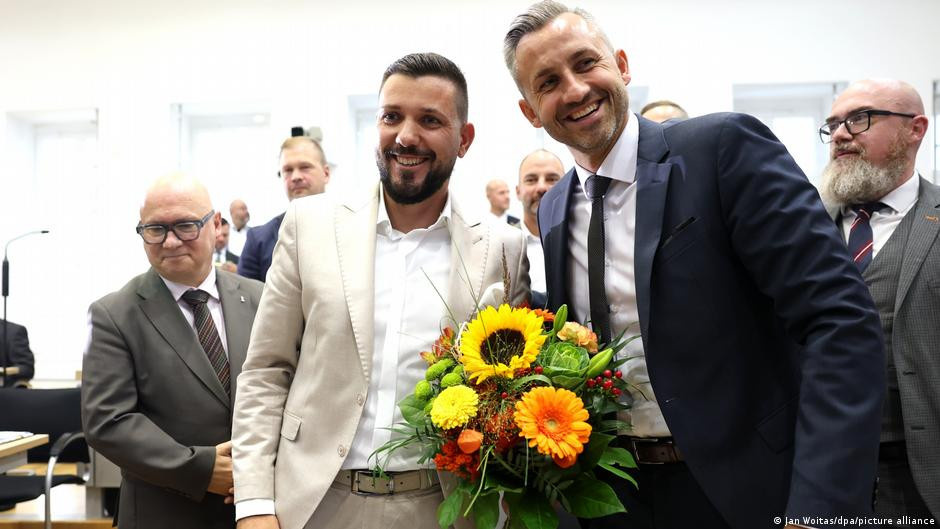
At the same time, Tobias Rausch of the Alternative for Germany (AfD) was elected as the speaker of the Saxony-Anhalt state parliament, receiving 48 votes—nine more than the number of seats held by the AfD. This marks a historic moment for both Saxony-Anhalt and Germany, as it is the first time since World War II that a representative from a party classified as right-wing extremist by the Office for the Protection of the Constitution has been elected to such a high office.
Common Sense Shop
The United States of Common Sense
Amazon shopping links. Sponsor Complete!
The inaugural session was opened by Eva von Angern, a member of the socialist Left Party, who had participated in the demonstration earlier that day. She highlighted the importance of human dignity and the historical significance of women in high office, referencing Clara Zetkin, a communist who held a significant position in the Reichstag in 1932. However, her remarks were met with silence from the AfD caucus, which demonstrated a lack of acknowledgment for the historical context of their election.
Rausch, a 35-year-old real estate agent, is relatively unknown outside of Saxony-Anhalt but has garnered attention for his past controversies, including accusations of nepotism involving friends from his soccer club. Despite this, he was nominated by his party and has stated his intention to serve as the speaker for all parliamentary groups, emphasizing that rules must apply even when the majority changes.
The seating arrangement during the first session reflected the AfD's assertive approach, with their caucus—composed of 37 men and two women—positioned centrally, deliberately overlooking the other parties. This strategic placement sends a clear message: the AfD intends to be a dominant force in shaping policy moving forward.
AfD's Electoral Gains and Future Prospects
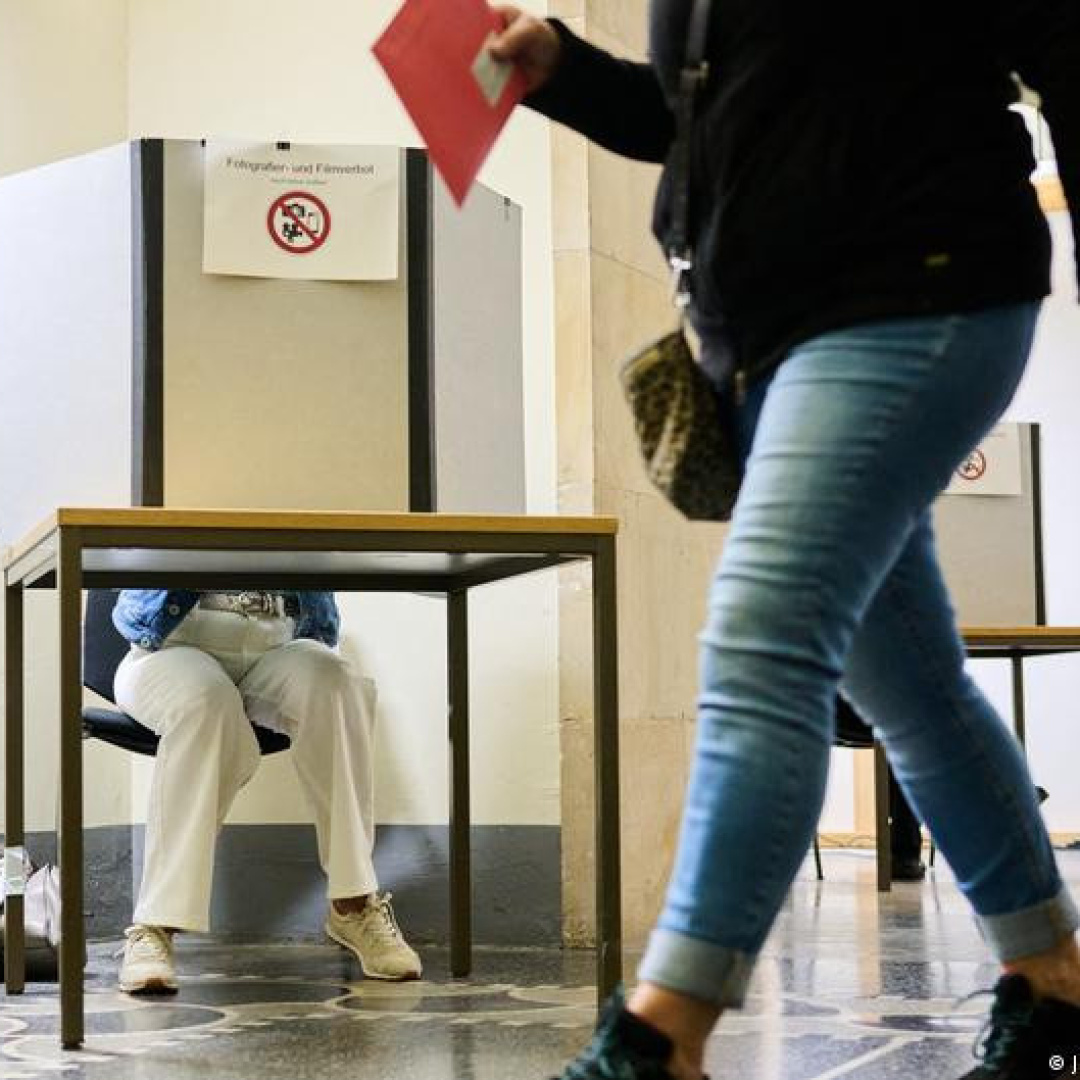
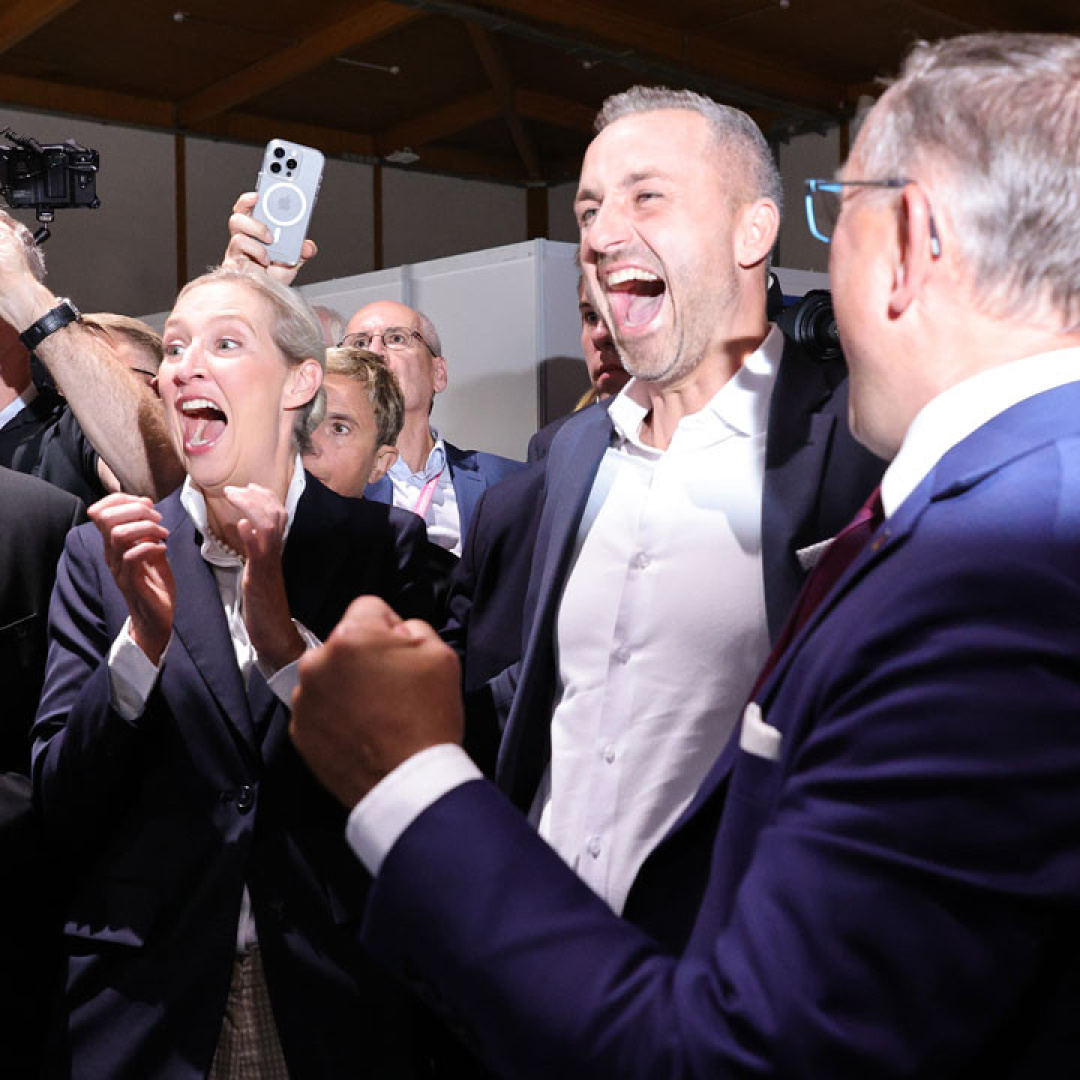
The recent election held on September 6 was closely monitored, with hundreds of journalists present. The AfD emerged as the strongest party, securing 39 out of 83 seats, just shy of an absolute majority. The combined total of the traditional parties—CDU, SPD, Left Party, and Greens—also amounts to 39 seats, indicating a potential stalemate in governance.
The Alliance for Social Justice and Economic Reason (BSW), a new party founded by former Left Party politician Sahra Wagenknecht, holds five seats and could play a crucial role in determining whether AfD's top candidate, Ulrich Siegmund, can become the state premier. While the BSW has indicated support for Rausch as speaker, it remains undecided on Siegmund's candidacy.
The Common Sense Test
Rausch's comments on private television prior to his election suggested that if the AfD does not secure a majority in the first round of voting, it would indicate a lack of support for their governance. This statement underscores the turbulent political landscape Saxony-Anhalt is facing as the AfD seeks to solidify its influence in the region.
As Saxony-Anhalt navigates this new political era, the implications of the AfD's rise cannot be understated. The party's positioning and the election of Rausch as speaker signal a shift in the political landscape that may resonate beyond the state. Observers will be keenly watching how this development affects governance, public policy, and the broader discourse around far-right politics in Germany. The coming months will reveal whether the AfD can translate its electoral success into effective governance or if internal divisions and public opposition will hinder its agenda.