Sanctions on Iran Challenge Turkey's Aviation Links Amid U.S. Pressure
Recent data from the Foundation for Defense of Democracies has revealed that at least 83 flights operated by U.S.-sanctioned Iranian airlines landed in Turkey within five days following a critical sanctions deadline set by the U.S. Treasury Department. This situation highlights a significant gap in Washington's efforts to enforce sanctions against Iranian carriers, particularly as Turkey remains a key ally within NATO.
The report, dated September 28, indicates that while U.S. sanctions have successfully pushed Iranian airlines out of several regional markets, Turkey has emerged as a notable exception. Following the Treasury's announcement of sweeping sanctions on Iran's aviation sector on September 8, which designated all active Iranian airlines under Executive Order 13902, the expectation was that these sanctions would effectively ground the carriers. However, the continued flights into Turkey raise concerns about the enforcement of these sanctions.
Common Sense Shop
The United States of Common Sense
Amazon shopping links. Sponsor Complete!
The sanctions were implemented in response to the Iranian aviation sector's involvement in transporting weapons and other illicit cargo. Treasury Secretary Scott Bessent warned that companies providing services to these sanctioned airlines risk losing access to the U.S. financial system. Despite these warnings, the data shows that flights from Iranian airlines such as Iran Airtour and Caspian Airlines continued to arrive in Istanbul, Ankara, and Izmir.
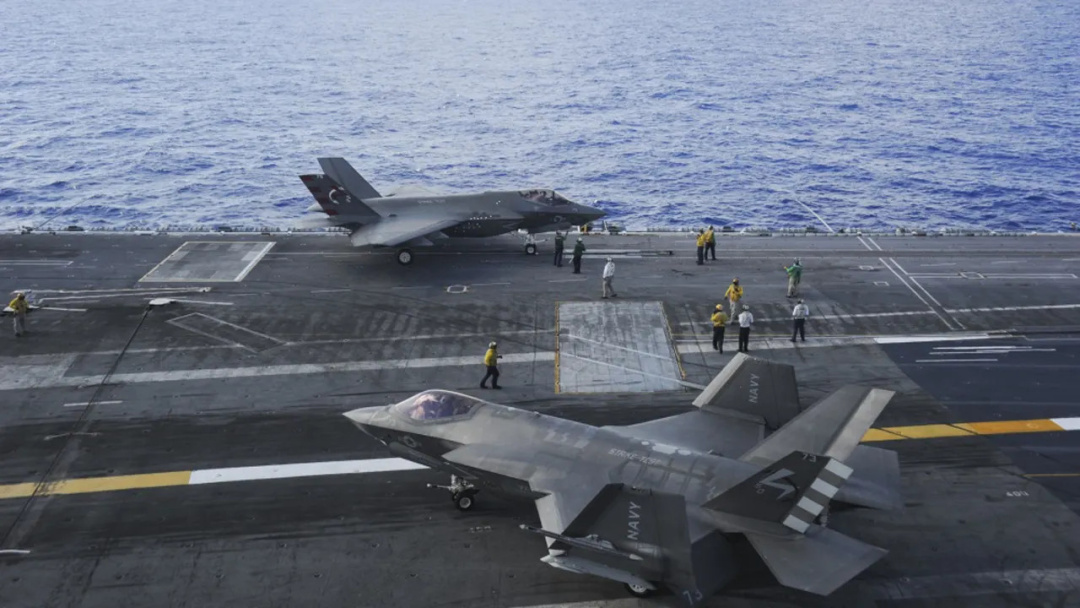
This ongoing activity comes at a sensitive time for U.S.-Turkey relations. President Trump has expressed a willingness to restore Turkey’s access to the F-35 fighter jet program, which was suspended following Turkey’s acquisition of Russia's S-400 air-defense system. Erdoğan has indicated expectations for Washington to take concrete steps towards Turkey's reinstatement in the program, but the continued operations of Iranian airlines complicate this diplomatic landscape.
Turkey's Balancing Act with Iran Sanctions
The Treasury Department has reportedly engaged with Turkish officials regarding these sanctions, emphasizing the risks that Turkish companies face for facilitating flights from sanctioned Iranian carriers. While some Turkish airlines have ceased operations to Iran, others continue to allow flights from these sanctioned carriers, illustrating a discrepancy between Ankara's public commitments and its actions.
FDD researchers have pointed out that the ongoing flights reflect a willingness on Turkey's part to take only symbolic measures against Iran while largely ignoring its broader activities. Analysts suggest that increasing pressure on Turkish companies that provide services to Iranian airlines could effectively curb these operations. By targeting the support systems that enable these flights, the U.S. could significantly impact Iran's ability to maintain its aviation routes.
The Common Sense Test
As the U.S. continues its campaign to isolate Iran economically, recent findings from United Against Nuclear Iran have also raised alarms about Iranian maritime activities in Southeast Asia, further complicating the enforcement of sanctions. The combination of these factors underscores the challenges Washington faces in its efforts to cut off Iran from international aviation and shipping networks.
The situation remains fluid, with the Treasury Department actively mapping Iranian oil-smuggling networks and continuing discussions with foreign governments about their roles in facilitating Iranian commerce. The outcome of these efforts could reshape the dynamics of U.S.-Turkey relations and the broader geopolitical landscape surrounding Iran.