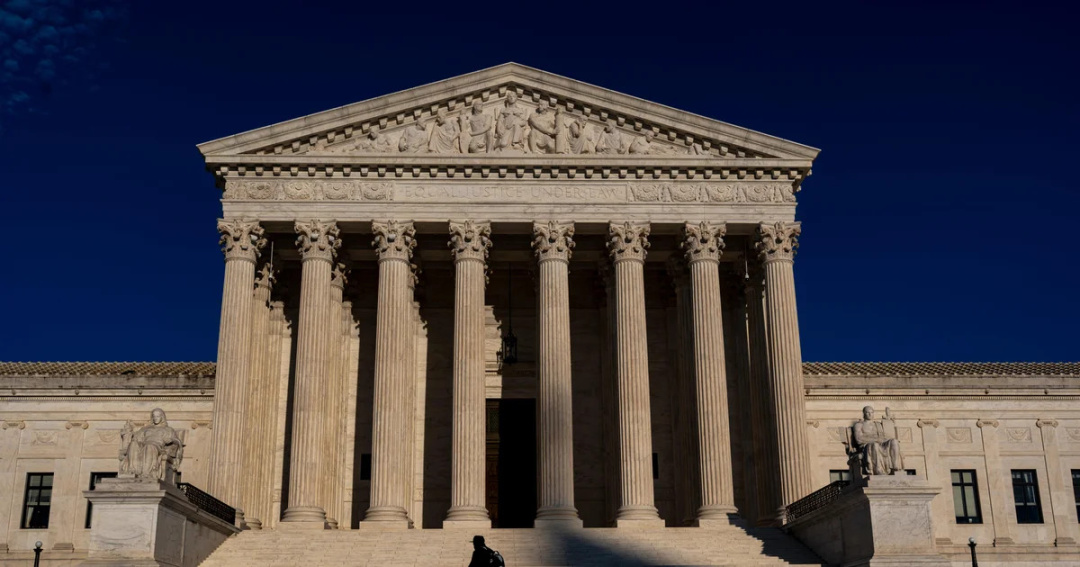
Supreme Court's New Term Tackles Climate Change, Immigration, and Gun Rights
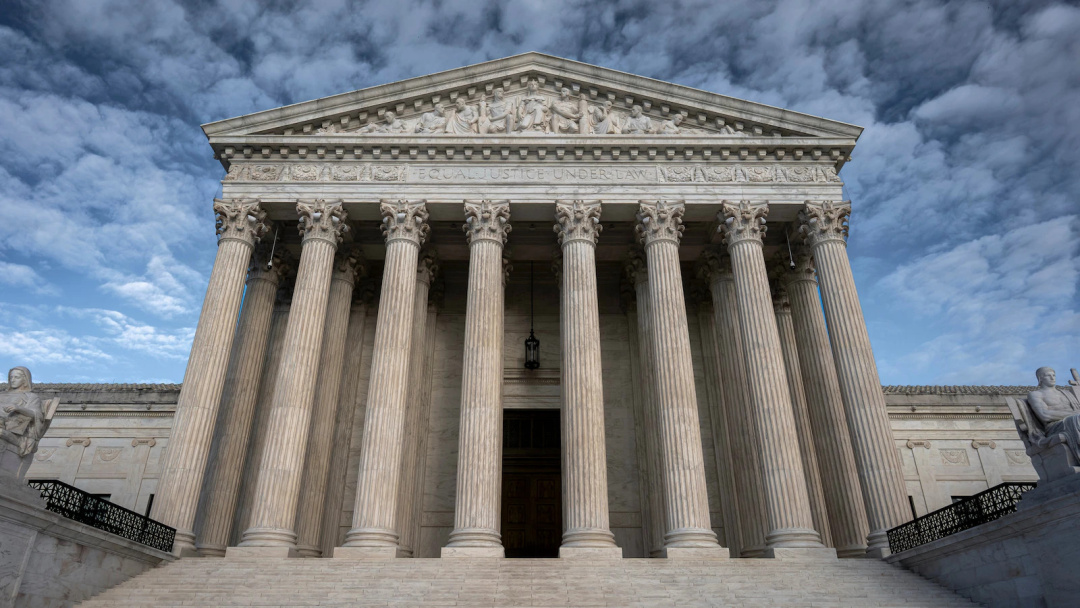
The Supreme Court's new term kicks off with a lineup of significant cases that could reshape the landscape of American law regarding climate change, immigration, and gun rights. As the justices convene, they will confront a major climate change case, with energy companies like Suncor and ExxonMobil appealing against lawsuits that seek to hold them accountable for damages related to climate change. Local officials in Boulder, Colorado, argue that these companies should contribute to the escalating costs of climate-related disasters. The Trump administration supports the companies, asserting that such litigation represents a power grab aimed at imposing unwarranted regulations on emissions.
In addition to climate issues, the Court is set to hear two immigration cases that could have profound implications for the Trump administration's crackdown on immigration. One case revolves around the deportation of migrants who cannot be swiftly returned to their home countries. The administration has been sending these individuals to third countries with which they have no ties, under secret agreements. The Supreme Court will evaluate whether lower court orders allowing these migrants to contest their deportations should be overturned, while the flights continue in the meantime.
Common Sense Shop
The United States of Common Sense
Amazon shopping links. Sponsor Complete!
The second immigration case addresses the administration's policy of mandatory detention for immigrants living in the U.S. illegally, even if they have been in the country for years. The administration argues that it can detain these individuals without a bond hearing, a stance that has faced pushback from various appeals courts.
Furthermore, the Court will consider challenges to state laws banning semiautomatic rifles, including the AR-15, which opponents argue violate the Second Amendment. Proponents of the bans claim that such firearms are disproportionately used in mass shootings, and their removal from circulation is essential for reducing gun violence. The conservative-majority Court has previously expanded gun rights, and it appears poised to take up this contentious issue in December.
Religious Freedom and State Policy Clash
The justices will also hear a case involving Catholic preschools in Colorado that have been excluded from a taxpayer-funded universal preschool program due to their faith-based admissions policies. St. Mary Catholic Parish contends that its exclusion violates its religious rights, as the state requires adherence to nondiscrimination laws. This case highlights the ongoing tension between religious freedom and state regulations, a theme that continues to resonate in American society.
The Common Sense Test
As these cases unfold, they will undoubtedly provoke significant debate about the balance of power between the government and individual rights, the role of the judiciary in addressing societal issues, and the implications for conservative values in the face of progressive challenges. The outcomes of these cases could set important precedents for years to come, impacting everything from environmental policy to gun ownership rights and the treatment of immigrants in the U.S. legal system.
The Supreme Court's decisions this term will serve as a litmus test for the principles of individual liberty and limited government. As the justices deliberate on these pressing issues, the stakes could not be higher. The implications of their rulings will resonate far beyond the courtroom, influencing the daily lives of Americans and shaping the future of constitutional rights. It remains to be seen how the Court will navigate these complex cases and what precedents will emerge from their deliberations, but one thing is certain: the balance of power in America is at a critical juncture, and the outcomes will reflect the enduring struggle between government authority and individual freedoms.