Supreme Court to Address Immigration, Gun Rights, and Climate Change Cases
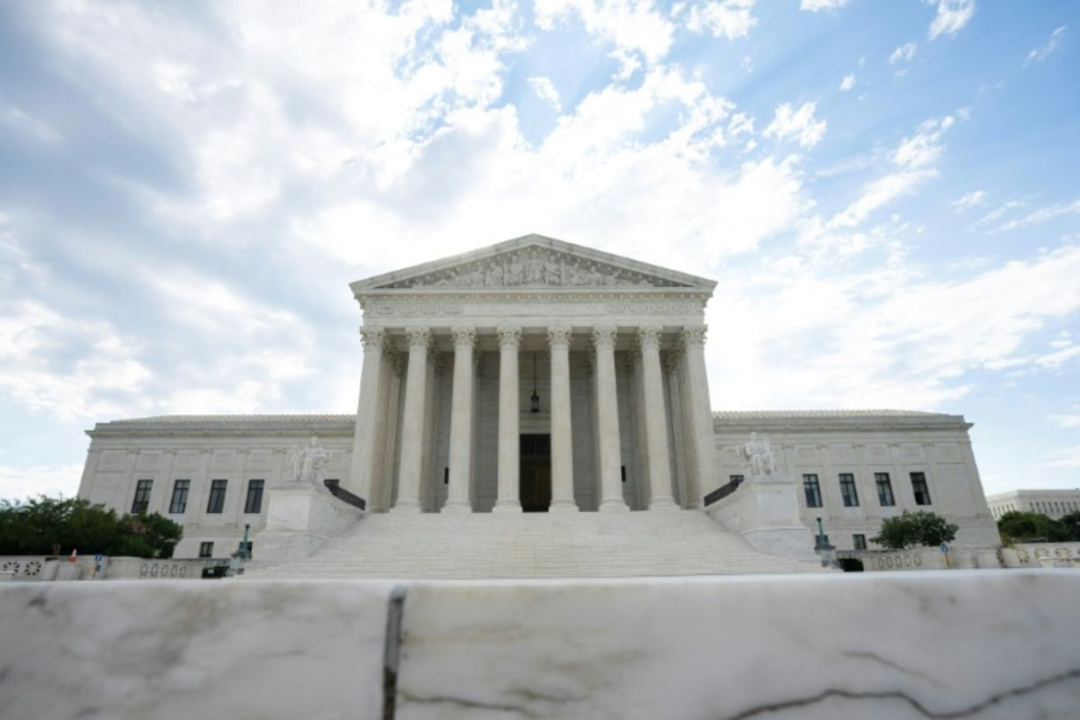
The US Supreme Court is gearing up for a new term that opens with significant cases touching on immigration, gun rights, and climate change. This session begins just one month before crucial midterm elections that could see President Donald Trump's Republican Party potentially losing its majority in the House of Representatives and possibly the Senate. If that happens, the administration may have to lean even more heavily on the conservative-dominated Supreme Court to advance its agenda.
Despite the court's conservative majority, it has not always aligned perfectly with Trump. The president has faced notable setbacks this year, particularly regarding his tariffs and efforts to limit birthright citizenship. These defeats have prompted Trump to express frustration with the court, especially towards the three justices he appointed, stating in a recent interview that they often vote against him despite being given lifetime positions.
Common Sense Shop
The United States of Common Sense
Amazon shopping links. Sponsor Complete!
The court's 6-3 conservative majority has allowed Trump to expand his executive powers significantly, granting him victories on the emergency docket, where cases are expedited without oral arguments. For instance, in a recent immigration case, the court permitted the administration to continue deporting undocumented migrants to countries other than their own, a decision that has drawn dissent from the three liberal justices.
This term, the court will hear arguments regarding a controversial immigration policy that mandates the detention of undocumented migrants, even those who have resided in the US for years, rather than allowing them to remain free while their cases are adjudicated. Critics, including Cecillia Wang from the ACLU, argue that the Trump administration's interpretation of the detention statute is unprecedented and aims to pressure migrants into self-deportation.
Upcoming Cases on Climate and Voting Rights
Another critical issue on the docket involves climate change lawsuits initiated by local governments against oil companies, questioning whether these cases can proceed or if federal law should take precedence. On the electoral front, the Supreme Court will also consider an Arizona law that requires proof of citizenship for voter registration, a measure that has been criticized for its potential to disenfranchise voters.
The Common Sense Test
Gun rights are back in the spotlight as the court prepares to hear a case challenging state and local bans on semi-automatic weapons, including AR-15s. Additionally, the role of religion in public education will be scrutinized through a case involving a Catholic preschool in Colorado that denies admission to children of LGBTQ+ parents. This case raises questions about whether such institutions can receive taxpayer funding while adhering to non-discrimination rules.
As the new term begins, Justice Samuel Alito expressed concerns about the court's future, noting efforts to intimidate justices and influence their decisions. A recent Gallup survey indicates that public approval of the Supreme Court is at its lowest since polling began in 1972, with only 34% of Americans expressing confidence in the court's performance. The outcomes of these cases could have lasting implications for the Trump administration and the broader political landscape as the midterms approach.