World Bank Warns of Asia's Financial Strain Amid Energy Crisis

The World Bank has raised alarms about the financial challenges confronting Asian nations in the wake of the ongoing energy supply crisis, which has been intensified by the U.S. and Israeli conflict with Iran. According to the report, these countries have adopted aggressive measures to mitigate the impact of soaring energy prices, but they are now running low on resources to sustain their responses.
The report emphasizes that subsidies have emerged as the predominant policy response among emerging and developing economies facing this crisis. While countries that have implemented substantial subsidies have generally experienced smaller increases in retail gasoline prices, the effectiveness of this approach has diminished in terms of controlling overall inflation. The World Bank noted that despite these efforts, headline inflation has surged across many nations, leaving core inflation relatively subdued.
Common Sense Shop
The United States of Common Sense
Amazon shopping links. Sponsor Complete!
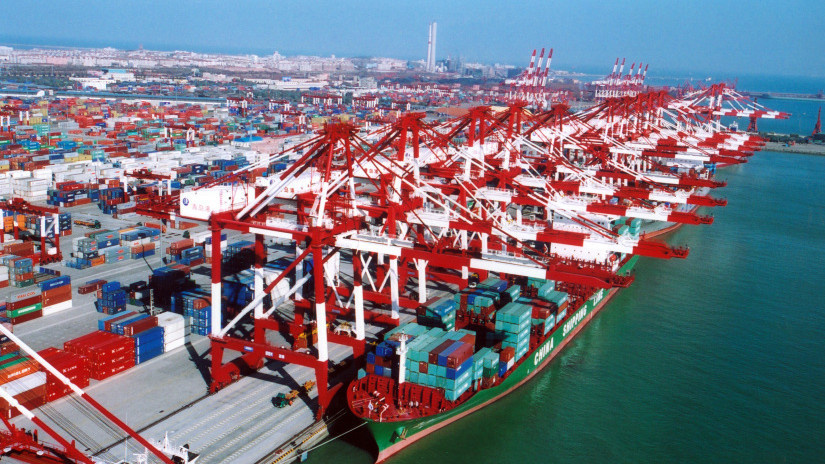
Asian countries remain heavily reliant on energy imports, making them particularly vulnerable to fluctuations in global energy markets. The World Bank suggests that the adoption of artificial intelligence could play a pivotal role in transforming these economies by promoting greater domestic electricity generation. This shift could potentially reduce the demand for imported energy commodities, thus enhancing energy security.
Impact of Energy Crisis on Reserves
However, the immediate consequences of the crisis have led to a significant decline in foreign exchange reserves for several Asian nations. The World Bank reported that countries like Indonesia, Thailand, and Vietnam have seen their dollar reserves plummet by between 15% and 40% since the onset of the conflict, largely due to their crisis response measures. This depletion of reserves raises concerns about the long-term fiscal health of these nations as they attempt to navigate the ongoing energy crunch.
The Common Sense Test
The report indicates that the longer the crisis persists, the more pronounced the negative effects on the fiscal stability of these countries will become. Despite these challenges, there is a glimmer of hope for a turnaround, driven by advancements in information technology and AI. However, the World Bank cautioned that the region's dependence on AI-related industrial activity could also become a liability if global AI activity were to slow or reverse.
As the geopolitical landscape continues to evolve, the implications for energy policy and economic stability in Asia remain critical. Policymakers must carefully consider the balance between immediate relief efforts and sustainable long-term strategies to ensure that their economies can withstand future shocks.