Corruption: The Key Issue for Midterm Election Candidates

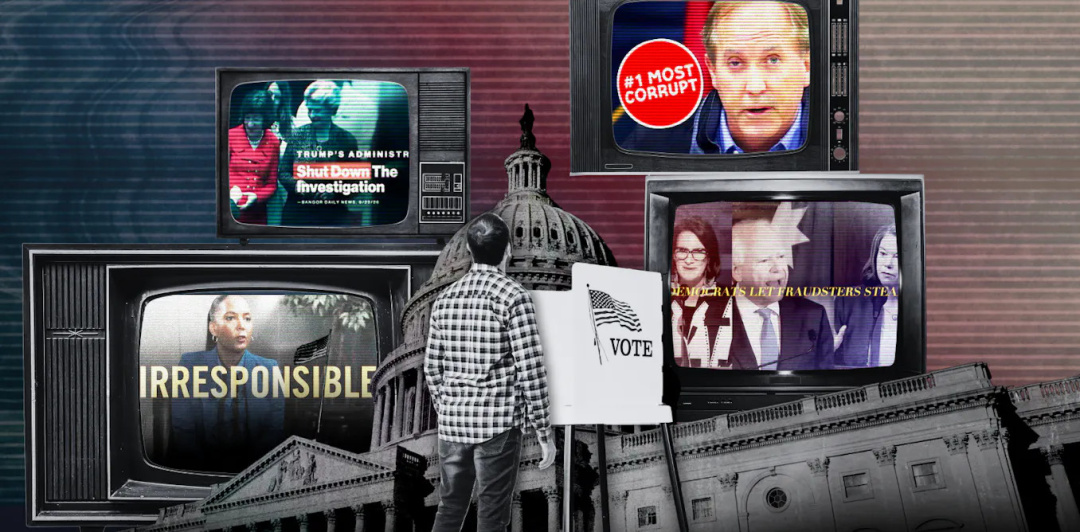
As the midterm elections draw near, the issue of corruption has taken center stage, echoing a potent historical slogan from the Republicans in 1946: "HAD ENOUGH?" This phrase encapsulates the sentiment of voters who are increasingly frustrated with the status quo. Political scientists refer to these midterm elections as thermostatic, where voters adjust their preferences in response to the perceived excesses of the party in power.
Historically, midterm elections have often served as a referendum against the ruling party. For instance, in 1974, the so-called "Watergate Babies" emerged with a mission to reform politics and challenge the entrenched Democratic establishment. These candidates shifted the focus from traditional economic issues to transparency and good governance. Congressman George Miller, a notable figure from that era, famously stated, "We were a conquering army. We came here to take the Bastille. We destroyed the institution by turning the lights on."
Common Sense Shop
The United States of Common Sense
Amazon shopping links. Sponsor Complete!
Fast forward to 1994, when Newt Gingrich led the Republicans to a historic victory, marking the first time they gained control of the House in four decades. More than 300 candidates signed a "Contract With America," pledging to bring ten specific measures to a vote within their first 100 days in office. This commitment to reform resonated with voters who were eager for change.
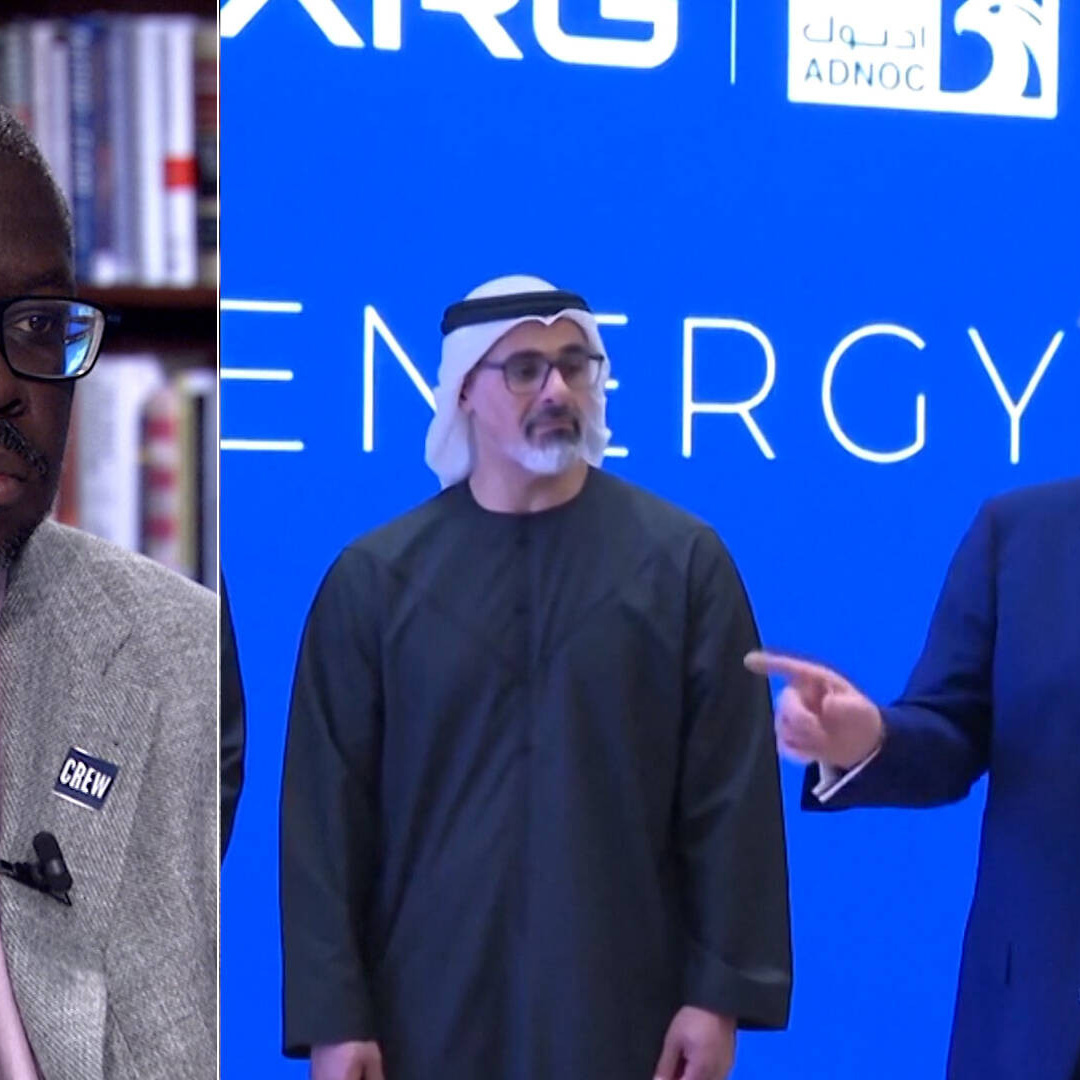
In the 2018 midterms, many Democrats campaigned on an anti-corruption platform, spearheaded by the group End Citizens United. The scandals of the past, once seen as shocking, now seem trivial compared to the ongoing controversies surrounding figures like Donald Trump, whose financial dealings have drawn scrutiny. Recent reports suggest that Trump may have benefited from favorable oil concessions linked to donations to his super PAC, highlighting a troubling trend of corruption in politics.
Today, candidates from both parties are addressing corruption as a central theme of their campaigns. Democrats are focusing on affordability issues, but they also recognize the importance of tackling corruption. The Outs, or those seeking to unseat the current officeholders, are making their intentions clear. Candidates are signing pledges to "Unrig Washington," committing to measures such as banning congressional stock trading and rejecting corporate PAC money. These proposals, while strong, may not reach the level of commitment seen in Gingrich's era.
Candidates Unite Against Political Corruption
Candidates like Abdul El-Sayed in Michigan and James Talarico in Texas are vocal about their anti-corruption stances, emphasizing the need to remove money from politics. Meanwhile, incumbents like Jon Ossoff have gained attention for their passionate speeches exposing executive branch corruption. A recent survey by the Brennan Center indicates a widespread revulsion against corruption among voters, with blame directed at both major parties.
Republican candidates are also tapping into this sentiment, focusing on issues of fraud within government rather than money in politics. In Minnesota, Speaker Lisa Demuth has highlighted the alarming rise of Medicaid fraud, while Bobby Charles in Maine has pledged to investigate similar issues. This focus on government waste could resonate with voters who are tired of inefficiency and corruption.
Another topic gaining traction is Supreme Court reform. Candidates like Josh Turek in Iowa are advocating for changes, echoing sentiments previously expressed by Republicans like Marco Rubio and Ted Cruz. Polls indicate substantial public support for term limits for justices, with a recent Fox News survey showing 78% approval.
The Common Sense Test
As we approach the elections, a significant turnover in Congress is expected, with at least 83 new House members anticipated. This shift could pave the way for fresh perspectives on tackling corruption. However, the pressing question remains: what concrete actions will the winning candidates take to address corruption? Without a genuine commitment to reform, voters may find themselves trapped in a cycle of partisan anger, with little change in governance.
In the coming months, presidential candidates will also need to clarify their positions on these critical issues, as the debate over how to reshape American democracy and renew government accountability intensifies. The outcome of these elections could set the tone for future governance and the ongoing struggle against corruption in American politics.