Far-Right Election Victory in Germany Raises Concerns Among Migrants
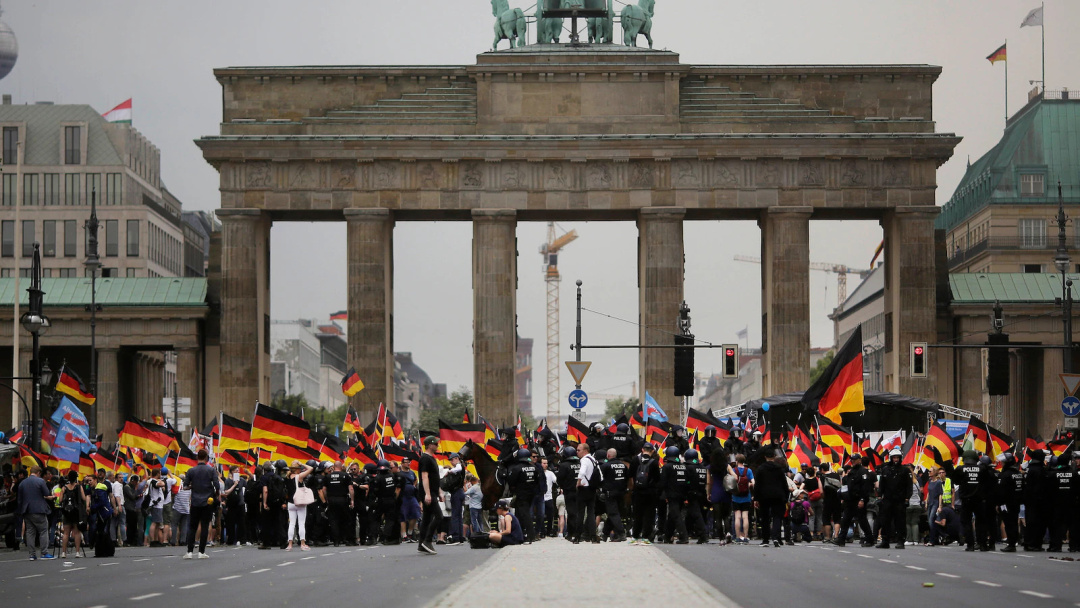
The recent electoral success of the far-right, anti-immigrant Alternative for Germany (AfD) party in Saxony-Anhalt has left many migrants questioning their future in the region. Ola Akhras, a Syrian refugee residing in Magdeburg with her family, reflects the anxiety felt by many. "It’s bad — we’ve built our lives here, we really loved being here, but now we don’t feel welcome anymore," she stated. Akhras, who fled Homs in 2018 and works as a doctor, has begun to feel the effects of hostility in her daily life, particularly after the AfD's significant electoral gains.
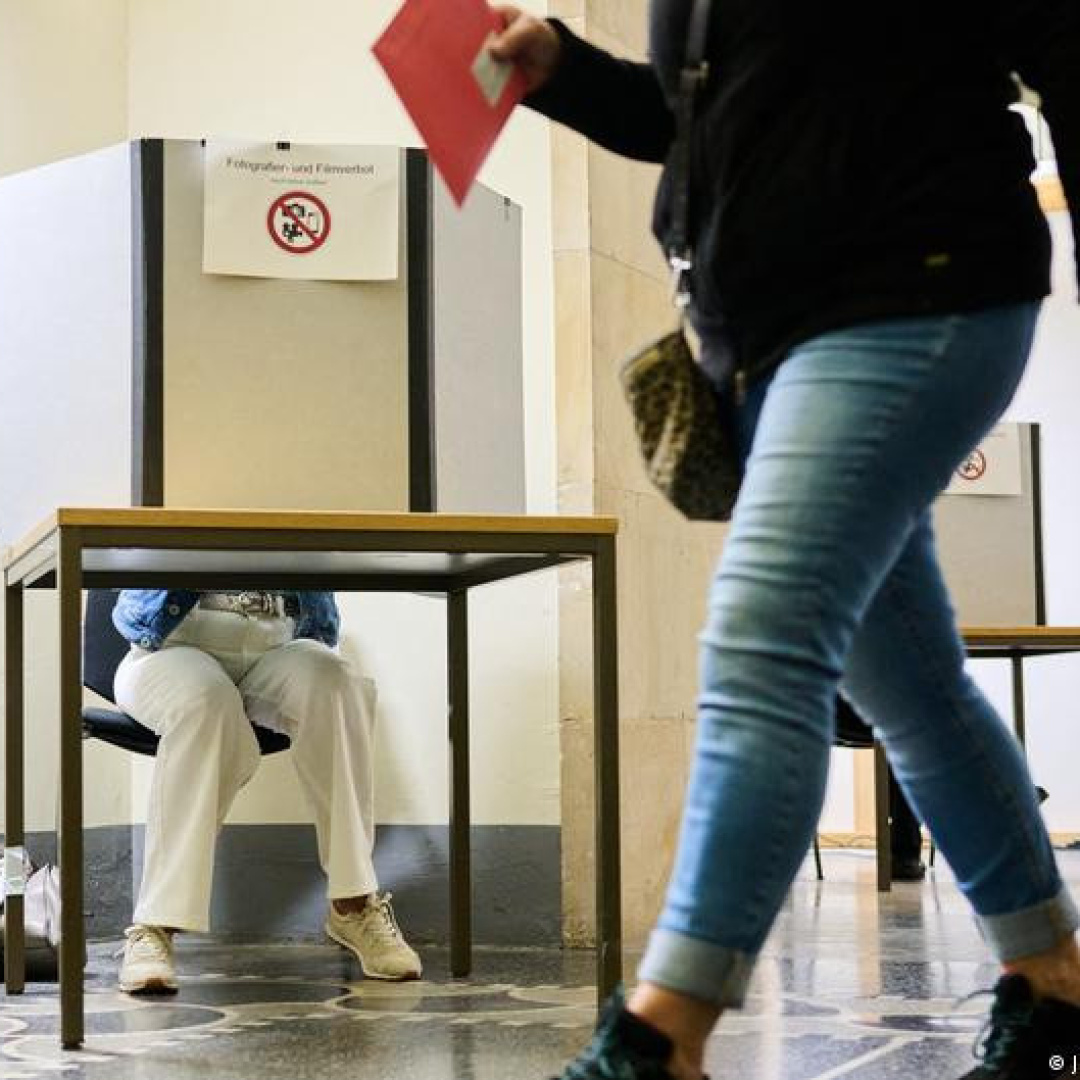
The newly elected state legislature met for the first time after the election, where Tobias Rausch from the AfD was elected as its speaker, marking a symbolic victory for the party. The implications of this political shift are profound, as the AfD is poised to influence policies that could affect the lives of many immigrants. The party's rise has been attributed to growing discontent with Germany's economic challenges, including slow growth and rising inflation, which have led to a deterioration in public sentiment towards migrants.
Common Sense Shop
The United States of Common Sense
Amazon shopping links. Sponsor Complete!
This election marks a turning point, as the AfD has gained traction in eastern Germany, particularly in economically weaker regions like Saxony-Anhalt. The party is now the strongest opposition in the national parliament and continues to gain popularity. Many migrants fear that the AfD's potential governance could lead to the implementation of its campaign promises, which include stricter immigration controls and increased deportations.
Rising Demand for Support Services
While there are no definitive statistics on an uptick in racist incidents since the election, counseling centers for migrants report a surge in demand for their services. Undra Dressler, the executive director of the Saxony-Anhalt State Network of Migrant Organizations, noted that many individuals are contemplating leaving the country, while others are determined to stay and fight against the rising tide of nationalism.
The Common Sense Test
Mohamad Aldabagh, a pharmacist who fled Syria in 2015, represents those who are resolute in their commitment to Germany. He has experienced racism but believes that skilled workers are essential to the country's future. "We want to contribute to the well-being of society here," Aldabagh stated, emphasizing the importance of foreign professionals in addressing labor shortages in Germany's aging population.
The AfD's policy proposals raise critical questions about the future of labor migration in Germany. The party advocates for a selective approach to recruiting foreign workers, which could limit the pool of skilled professionals available to meet the country's needs. As of August, over 27% of doctors in Saxony-Anhalt's hospitals did not hold German citizenship, highlighting the reliance on foreign talent in the healthcare sector. Aldabagh's commitment to staying in Germany is echoed by others who refuse to be driven away by fear. However, the increasing presence of the AfD poses a significant challenge to the integration and acceptance of migrants in German society.