Education Freedom Tax Credit Set to Transform School Choice in 2027
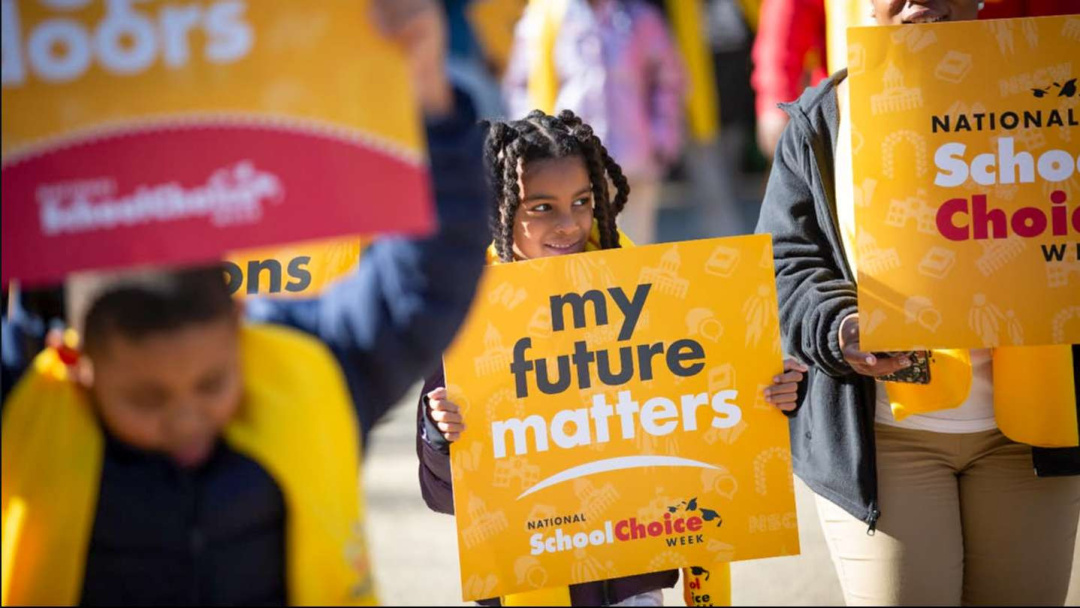
Starting in 2027, a significant transformation in school choice is on the horizon for American families with the introduction of the Education Freedom Tax Credit (EFTC). This new initiative, part of the One Big Beautiful Bill Act, allows individuals to claim a dollar-for-dollar federal tax credit for donations to scholarship-granting organizations (SGOs) that assist families earning up to 300 percent of the area’s median gross income with K–12 expenses. These expenses can include private school tuition, tutoring, special-needs services, and educational supplies.
The EFTC is expected to represent a monumental shift in how the federal government approaches education funding. The Trump administration heralds this move as an unprecedented expansion of school choice, and the numbers back this claim. EdChoice reports that in 2025, private school choice programs in the U.S. funneled approximately $10.6 billion to students, marking a 29 percent increase from the previous year. The Treasury Department and IRS estimate that the EFTC could support up to 700 SGOs and generate $26 billion in annual contributions by 2030.
Common Sense Shop
The United States of Common Sense
Amazon shopping links. Sponsor Complete!
However, the reception of the EFTC has not been universally positive. While 30 states have opted into the program, the majority of those that have not are led by Democratic governors. For instance, Wisconsin Governor Tony Evers vetoed a bill that would require the state to participate, arguing that the tax credit diverts public resources to private education without adequate accountability. He stated, "Public funds should go to public schools. Period."
Critics like Randi Weingarten, president of the American Federation of Teachers, have also voiced strong opposition, labeling the tax credit a "cruel chapter" in the Trump administration's approach to education. Weingarten claims that this initiative threatens the funding of public schools, asserting that it diverts $500 billion in taxpayer money into private hands, leaving public schools to compete for dwindling resources.
Supporters Counter Criticism of EFTC
Despite this criticism, supporters of the EFTC, including organizations like the Children's Scholarship Fund (CSF), argue that the program will significantly enhance school choice and empower parents. Elizabeth Toomey, communications director at CSF, emphasizes that the tax credit will allow parents to take charge of their children's education, which is essential for meaningful reform in the education system. She points out that the EFTC does not merely benefit private schools; rather, it also supports public school students through various programs such as tutoring and after-school initiatives.
Polling data from EdChoice indicates that parental support for school choice remains robust, with over 70 percent of parents favoring federal tax-credit scholarships. This sentiment reflects a growing frustration with the current public education system, as many parents believe that K-12 education is not meeting their children's needs.
The Common Sense Test
States that opt not to participate in the EFTC may find themselves at a disadvantage, as donors in those states can still receive the tax credit but cannot fund local students. This means that families in non-participating states will miss out on potential benefits, while funding is redirected to states that embrace the program.
As the federal government has increased education funding over the years, the results have not translated into improved student outcomes. While the effectiveness of the EFTC may be debated, it undeniably represents a shift towards giving parents more control over their children's education, a change that many conservatives view as a necessary step away from the entrenched public school system.