El-Sayed Calls Question on Iran vs. Israel Threats 'Dumb'
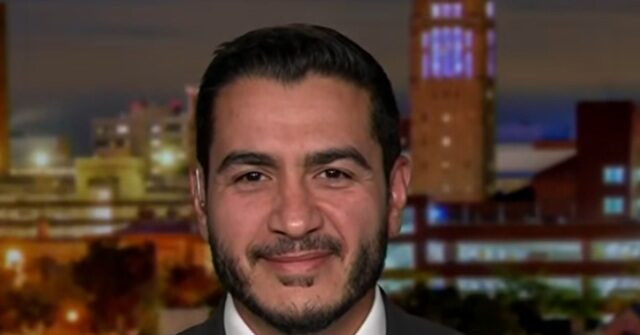
During an interview released on Wednesday, Michigan Democratic U.S. Senate nominee Abdul El-Sayed faced a provocative question regarding whether he considers Iran or Israel to be a bigger threat to the United States. El-Sayed, however, rejected the premise of the question, stating it was 'dumb' to frame the issue in such binary terms. He emphasized that the focus should be on diplomatic solutions rather than military engagements.
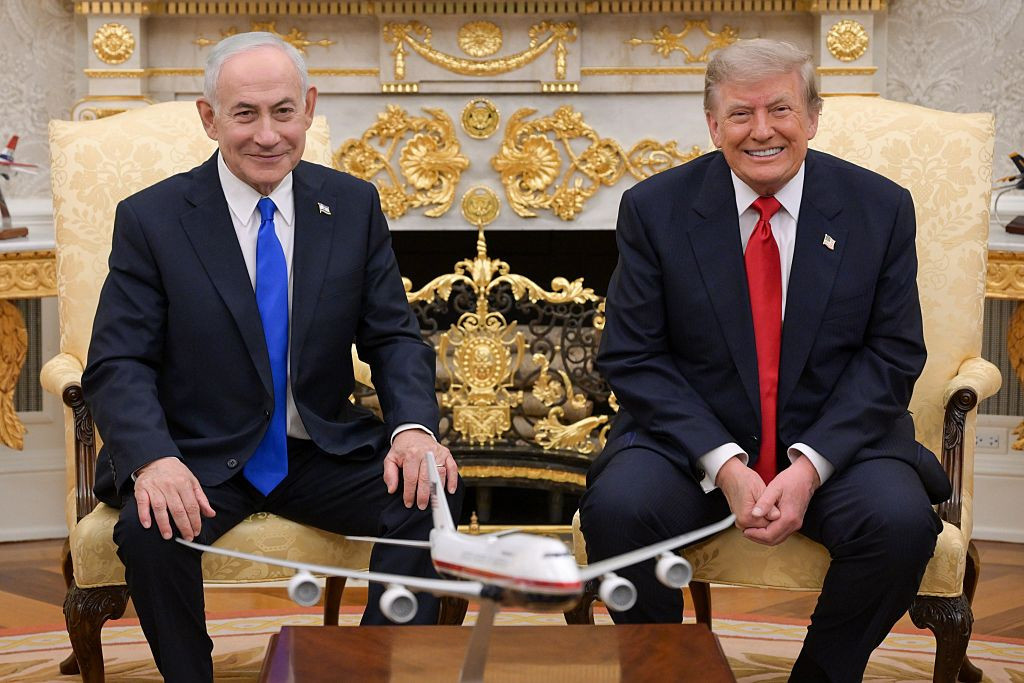
El-Sayed was questioned by 'On Balance' host Leland Vittert, who referenced a supporter’s assertion that Iran posed a greater threat than Israel. In response, El-Sayed reiterated his belief that the U.S. should not be involved in foreign wars, particularly those advocated by foreign leaders, such as the Israeli Prime Minister. He pointed out that the U.S. is currently engaged in conflict in Iran, which he attributed, in part, to Israeli advocacy.
Common Sense Shop
The United States of Common Sense
Amazon shopping links. Sponsor Complete!
The nominee expressed frustration over the financial implications of U.S. military involvement, noting that rising costs, such as $1,600 for gas and groceries, are directly linked to these foreign engagements. He criticized the unconditional funding of foreign militaries with American taxpayer dollars, arguing that such practices divert resources from pressing domestic issues.
Voter Sentiment on Foreign Policy Shift
El-Sayed's comments highlight a growing sentiment among some voters who are increasingly skeptical of U.S. foreign policy that prioritizes military intervention over diplomatic solutions. He stated, 'I don’t want our tax dollars being used to subsidize war abroad,' reinforcing his stance that American foreign policy should focus on enforcing international law rather than engaging in conflicts.
The Common Sense Test
This perspective resonates with a segment of the electorate that is concerned about the financial burdens of foreign wars and the implications for domestic welfare. As a candidate, El-Sayed's views may reflect a broader shift in the Democratic Party toward a more isolationist approach to foreign policy, particularly among younger voters who prioritize domestic issues over international conflicts.
In an era where foreign policy debates are increasingly relevant, El-Sayed's comments may serve to galvanize support among constituents who share his concerns about military spending and foreign intervention. His call for a reevaluation of U.S. priorities in foreign policy could be a pivotal point in his campaign as he seeks to connect with voters on issues that directly impact their lives.