Judicial Interference Cancels Brazil's Final Presidential Debate
Brazilian broadcaster TV Globo has cancelled the final presidential debate scheduled for Thursday, just days before the general elections on October 4. The cancellation was attributed to what the broadcaster described as "judicial interference" from Brazil's top electoral authority and the Supreme Court, which imposed changes to the debate's format.
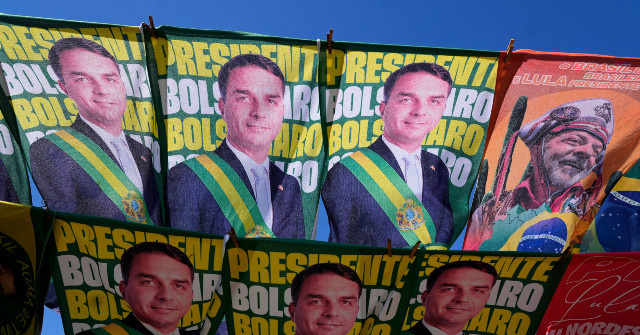
As Brazil prepares for a pivotal election featuring 13 candidates, the spotlight is primarily on incumbent socialist President Luiz Inácio Lula da Silva and conservative Senator Flávio Bolsonaro, the son of former President Jair Bolsonaro. The decision to cancel the debate raises serious questions about the integrity of the electoral process and freedom of the press in Brazil.
Common Sense Shop
The United States of Common Sense
Amazon shopping links. Sponsor Complete!
TV Globo, regarded as the most popular broadcaster in Brazil, had planned to host a debate that would include both Lula and Bolsonaro, among other candidates. However, Lula's campaign indicated that he would not attend, citing a belief that debates are ultimately unproductive. In a podcast interview, Lula expressed skepticism about the value of such debates, stating, "I honestly think these debates are fruitless; they don’t accomplish anything."
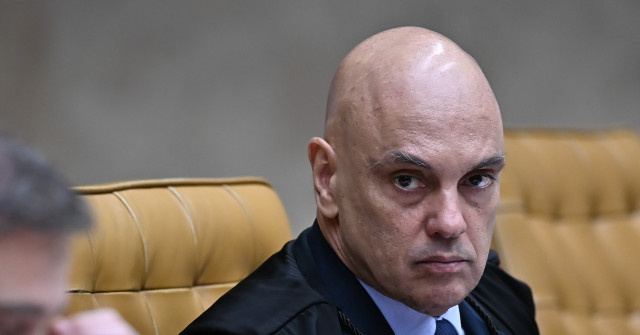
The debate's format was agreed upon by all political parties, including Lula's Workers' Party (PT), which stipulated that an empty podium should be displayed for any absent candidate. Yet, hours before the debate was set to begin, the Superior Electoral Tribunal (TSE) ordered TV Globo not to display the empty podium for Lula. This order was signed by Justice Estela Aranha, who has previously been involved in controversial decisions regarding media censorship.
Bolsonaro's Response to Judicial Censorship
In response to the TSE's actions, Senator Bolsonaro announced he would not participate in the debate, labeling the court's interference as censorship. Instead, he opted for a two-hour live stream on YouTube to discuss his proposals for Brazil, emphasizing his refusal to accept judicial interference in the electoral process. Bolsonaro stated, "I will not condone interference by the judiciary in the elections," highlighting the growing tension between political candidates and the judiciary in Brazil.
The Common Sense Test
Furthermore, the Supreme Federal Tribunal (STF) issued an order demanding that TV Globo invite Renan Santos, an outsider right-wing candidate, to the debate, further complicating the situation. Globo's statement reflected its commitment to promoting democratic discourse, but it also acknowledged the challenges posed by the last-minute judicial rulings, which they deemed as undue interference in their ability to organize electoral debates.
Polls indicate that none of the candidates is likely to secure the necessary majority to win outright in the first round, suggesting a runoff between Lula and Bolsonaro is probable. However, both candidates have been closely matched in recent weeks, making the potential runoff a highly competitive and contentious affair. The implications of this judicial interference extend beyond the debate itself, raising concerns about the future of free speech and electoral integrity in Brazil.