Democratic Senate Candidates Split on Transgender Athletes in Women's Sports
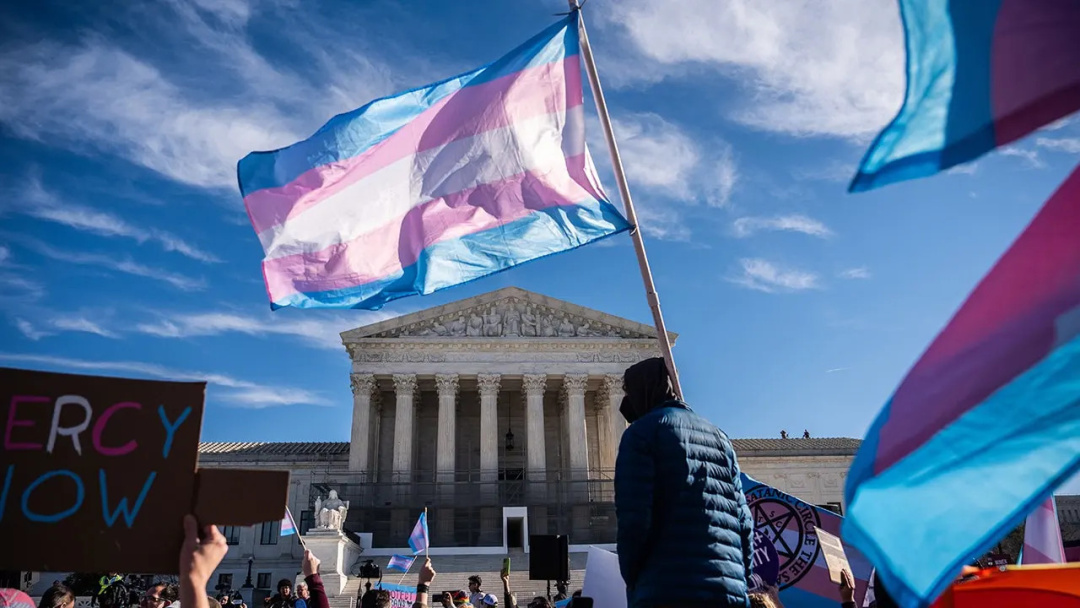
As the 2026 midterms loom, Democratic Senate candidates are grappling with a divisive issue that has put many on the defensive: the participation of transgender athletes in girls' and women's sports. This debate not only highlights the differing perspectives within the party but also raises questions about the implications for their electoral prospects.
Texas Senate candidate James Talarico, who previously voted against legislation requiring public-school athletes to compete based on their birth sex, has shifted his stance. In a recent Fox News interview, he stated he would oppose transgender athletes competing in girls' sports if it jeopardizes safety or fairness. His campaign emphasized that Talarico, a former public school teacher, prioritizes the well-being of student athletes while opposing discrimination. However, his campaign has not clarified whether he would support the Protection of Women and Girls in Sports Act, which aims to restrict transgender participation in women's sports.
Common Sense Shop
The United States of Common Sense
Amazon shopping links. Sponsor Complete!
In contrast, Talarico's Republican opponent, Texas Attorney General Ken Paxton, has taken a strong stance against transgender athletes. He has initiated legal action against the NCAA, arguing that allowing transgender athletes to compete in women's events violates Texas consumer protection laws. Paxton's efforts reflect a broader Republican push to ensure that female athletes have fair competition, emphasizing the need for legal clarity on this contentious issue.
Michigan's Democratic Senate nominee Abdul El-Sayed has historically supported transgender students' rights to participate in sports that align with their gender identity. However, during a recent interview, he redirected the conversation towards healthcare and affordability when asked about transgender athletes in women's sports, avoiding a direct stance on eligibility restrictions. His Republican opponent, Mike Rogers, has pledged to support legislation that excludes male athletes from competing in women's sports, aligning with the growing Republican consensus on this issue.
North Carolina's Democratic candidate Roy Cooper vetoed the Fairness in Women’s Sports Act in 2023, which sought to prevent male athletes from competing in women's events. Cooper argued that such legislation unfairly targets a small group of vulnerable children and inflames political culture wars. His Republican opponent, Michael Whatley, has criticized Cooper's veto, framing it as a failure to protect female athletes.
Senators Face Pressure on Sports Legislation
Georgia Senator Jon Ossoff has also faced scrutiny for his opposition to the Protection of Women and Girls in Sports Act, which would restrict male athletes from competing in women's sports. Ossoff defended his vote by stating that local school districts should manage eligibility without federal interference. His Republican challenger, Mike Collins, has actively supported the legislation, emphasizing the need for fairness in women's athletics.
Minnesota’s Democratic Senate nominee, Lt. Gov. Peggy Flanagan, has committed to supporting the Transgender Bill of Rights, which includes protections for transgender athletes. Her Republican opponent, Michele Tafoya, has made it a priority to restrict male participation in women's sports, showcasing the stark contrasts between candidates on this issue.
In Iowa, Democratic nominee Josh Turek has voiced opposition to biological males competing against females, yet he advocates for sports governing organizations to decide eligibility rather than legislative bodies. His Republican opponent, Rep. Ashley Hinson, supports federal legislation to exclude transgender girls and women from female sports teams, reflecting the Republican commitment to preserving women's athletic opportunities.
The Common Sense Test
As the midterms approach, the rift among Democrats on this issue could have significant ramifications for their electoral strategies. Candidates must navigate the delicate balance between advocating for inclusivity and addressing the concerns of those who prioritize fairness and safety in women's sports. The outcome of this debate will likely shape the political landscape in the coming years, as both parties seek to define their positions on gender identity and athletics.
Ultimately, the question remains: how will these differing positions impact the Democratic Party's chances in the upcoming elections? As candidates like Talarico and El-Sayed attempt to balance progressive values with the concerns of their constituents, the stakes are high. Voters will be watching closely to see which candidates can effectively address this issue without alienating key demographics, making it a critical point of contention in the 2026 midterms.