Republicans Worry $1 Billion May Not Suffice in Midterm Elections
Republicans are entering the final stretch of the midterm campaign with increasing anxiety that the $1 billion at their disposal may fall short in preventing sweeping losses. This financial cushion is largely attributed to MAGA Inc., a Trump-aligned group that had nearly $416 million in cash on hand as of the end of August. However, the timing of their spending raises concerns, as many Republican Senate campaign officials note that groups reserving advertising time earlier in the year secured much lower rates than those now being charged to MAGA Inc. and its affiliates.
The late surge in spending means that MAGA Inc. is sometimes paying over five times the rates that earlier advertisers secured. A representative from MAGA Inc. asserts that their financial contributions have kept races competitive, often being the sole entity airing ads that critique Democratic candidates. This strategy is particularly evident in Texas, where Trump has campaigned vigorously for Republican Ken Paxton's Senate bid. Despite Texas being a historically safe Republican state, MAGA Inc. has spent over $22 million in the past month alone to bolster Paxton's campaign, reflecting the heightened stakes as the election nears.
Common Sense Shop
The United States of Common Sense
Amazon shopping links. Sponsor Complete!
In addition to MAGA Inc., the Texas PAC, aligned with Senate Majority Leader John Thune, has also poured significant resources into advertising, exceeding $83 million in the last month. The financial dynamics are stark; candidates typically enjoy lower advertising rates compared to outside groups, meaning the late influx of super PAC funds is coming at a steep cost. For instance, MAGA Inc. is reportedly paying approximately $894 per ad airing, while Texas PAC's costs hover around $809, in contrast to the $290 rate for Democratic nominee James Talarico's campaign.
The upcoming elections are shaping up to be a referendum on the influence of money in American politics. Democrats acknowledge their financial disadvantage but are banking on anti-Trump sentiment and targeted messaging to sway voters. Republican pollster Neil Newhouse highlights the concern that the party's late cash deployment may not be effective, suggesting that impactful advertising should have occurred well before Labor Day. He warns that a million dollars spent in October is merely a drop in the bucket when it comes to influencing voter behavior.
As the midterms unfold, the Republican party faces tough decisions about resource allocation. In North Carolina, Thune's group has already begun scaling back efforts, indicating the party's recognition of vulnerabilities in key races. The recent Supreme Court ruling that lifted spending limits on political party coordination with candidates has only exacerbated the financial arms race, leading to a landscape where sheer spending does not guarantee electoral success.
The Limits of Financial Influence in Elections
Historically, significant financial backing has not always translated into victory. For instance, Kamala Harris entered the final stretch of the 2024 campaign with a substantial financial advantage but lost critical swing states. Similarly, Elon Musk's $25 million investment did not secure a Wisconsin Supreme Court seat for his preferred candidate. These examples underscore the notion that while money plays a crucial role, it is not the sole determinant of electoral outcomes.
Senate Democratic leader Chuck Schumer has characterized the spending disparity as "obscene," questioning whether the Republican financial edge can overcome their Democratic rivals' advantages in candidate quality and political climate. As Democrats mount competitive campaigns in traditionally Republican strongholds, they are expanding their targets, seeking to capitalize on any weaknesses in GOP defenses.
The Common Sense Test
In the House, Democrats are expressing confidence in their ability to retake the majority, even venturing into historically Republican districts. However, financial constraints could limit their ambitions. Rep. Suzan DelBene, chair of the Democratic Congressional Campaign Committee, emphasizes the need for adequate funding to effectively communicate their message district by district.
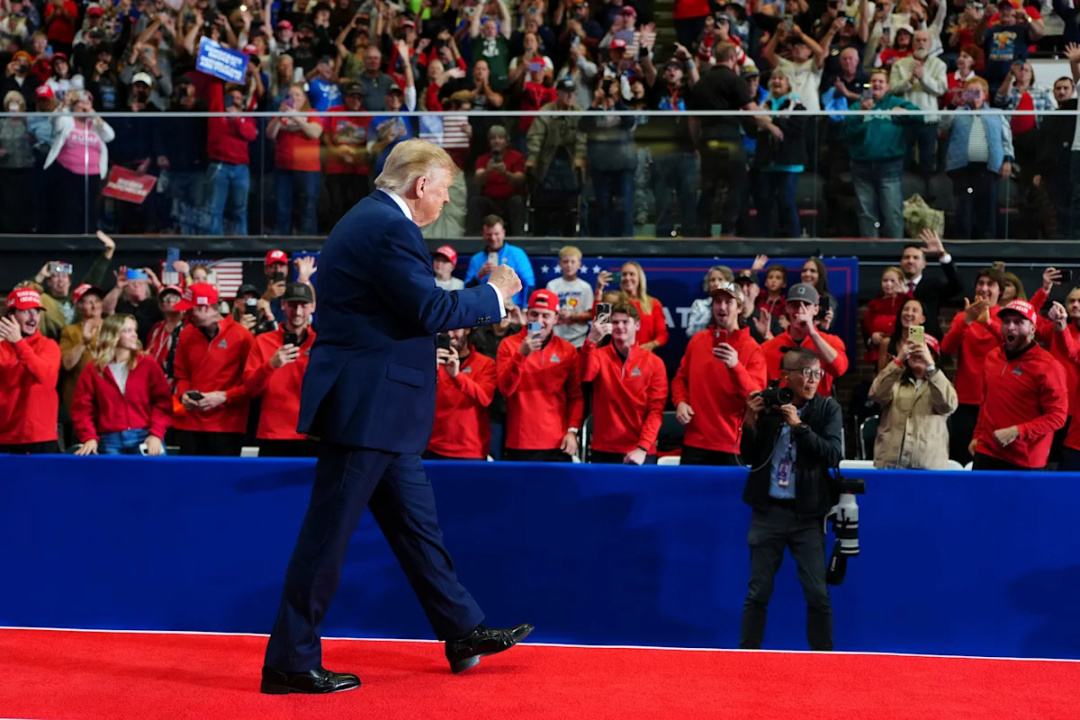
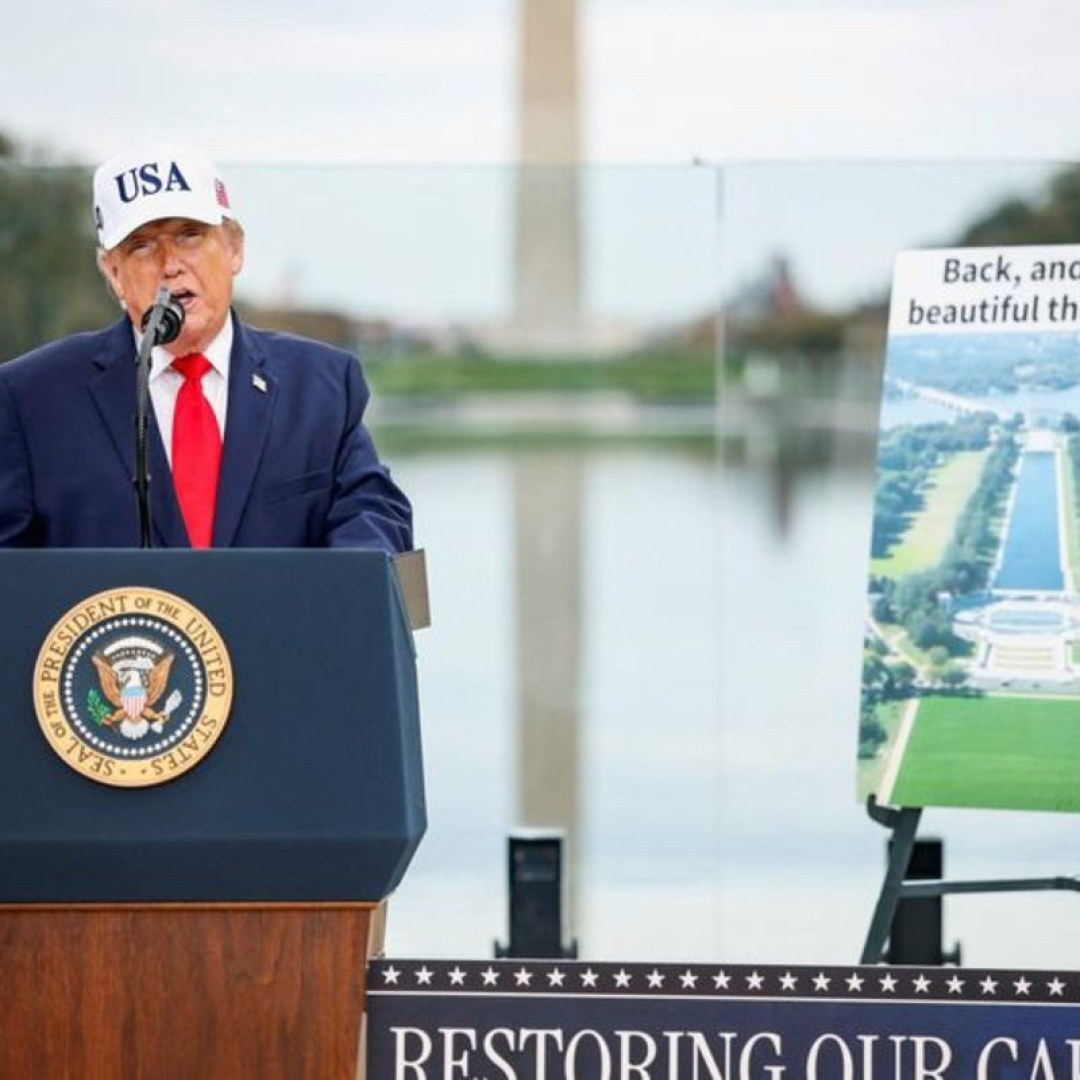
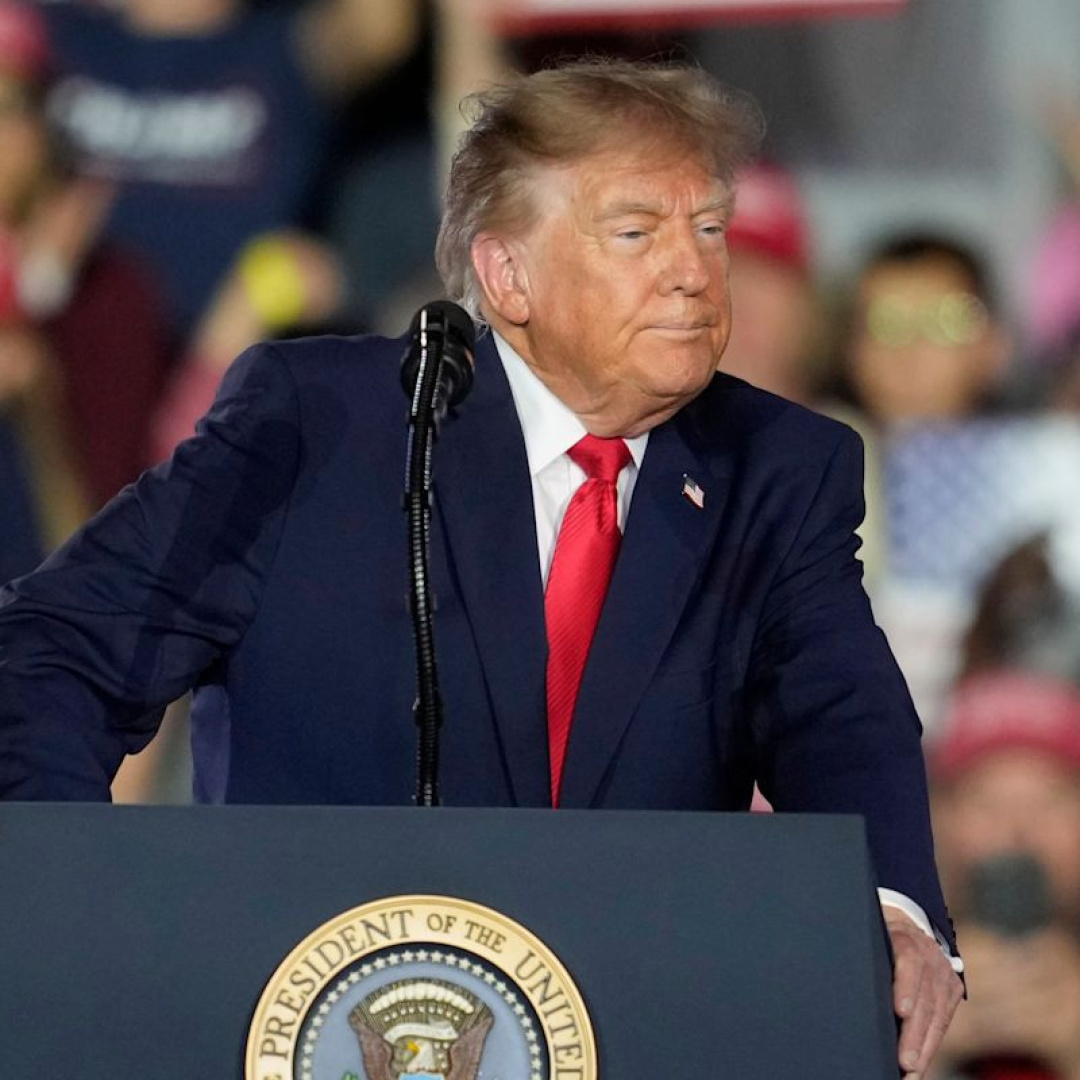
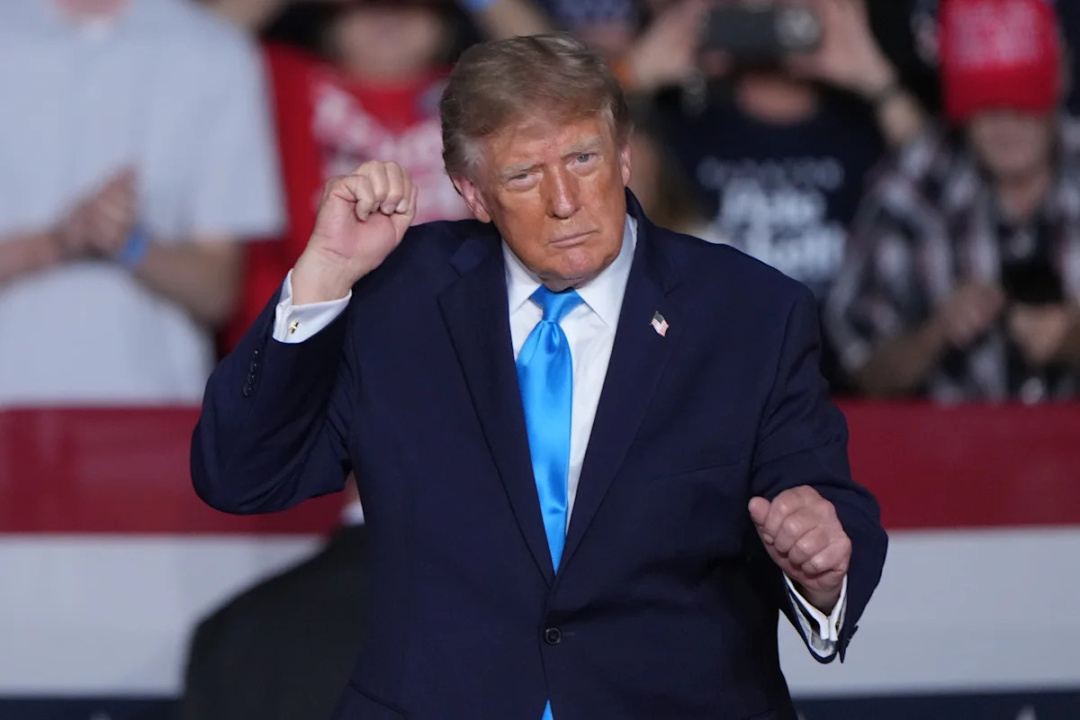
As Trump rallies supporters and emphasizes the importance of their loyalty in these elections, the outcome remains uncertain. His ability to galvanize his base could prove pivotal in the final weeks of the campaign, as he urges supporters to act as if he is on the ballot once again. The stakes are high, and the interplay between financial resources and voter sentiment will ultimately determine the midterm election results.