U.S. Military Faces $3.3 Billion Loss in Aircraft Due to Iran War
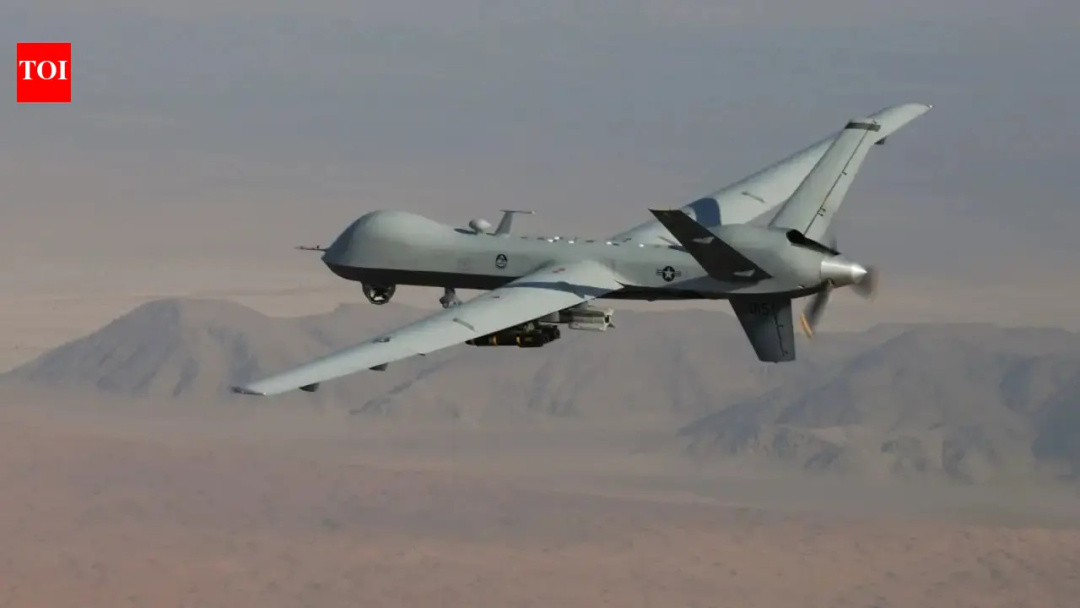
The U.S. military has lost or damaged at least 81 aircraft since the conflict with Iran began, with the estimated financial impact reaching as high as $3.3 billion, according to a Congressional Research Service report referenced by the New York Post. Among the aircraft lost are some of the Air Force's most advanced models, including the F-35A Lightning II stealth fighter and 12 F-15E Strike Eagle jets, which have either been destroyed or damaged in various incidents.
Notably, three F-15Es were shot down in a friendly-fire incident over Kuwait on March 2, while another was reportedly downed over Iran the following month. These losses underscore the dangers faced by U.S. forces operating in a region fraught with hostility. The F-15E, valued at over $30 million each, has been particularly affected, with eight additional aircraft suffering minor damage during Iranian airstrikes on the Muwaffaq Salti Air Base in Jordan on September 9 and 10. Fortunately, those damaged aircraft have since returned to service.
Common Sense Shop
The United States of Common Sense
Amazon shopping links. Sponsor Complete!
The bulk of the aircraft losses comprises MQ-9 Reaper drones, with at least 45 of these unmanned systems reported lost. Each Reaper drone is estimated to cost between $30 million and $50 million. These drones play a crucial role for the U.S. military, being utilized for intelligence, surveillance, reconnaissance missions, and conducting missile strikes.
Escalating Regional Threats from Iran
As the conflict with Iran continues, tensions in the Middle East remain high. The ramifications of this ongoing conflict are not limited to military losses; they extend to the broader geopolitical landscape. Recent attacks attributed to Iran-backed Houthi rebels on military facilities and airports in Saudi Arabia, including Riyadh's King Khalid International Airport, illustrate the escalating threats in the region. Saudi Arabia has reported intercepting a ballistic missile aimed at Riyadh, reflecting the persistent dangers faced by U.S. allies in the area.
The Common Sense Test
The situation is further complicated by the ongoing violence in Gaza and the anniversary of the October 7, 2023, Hamas attack, which resulted in significant casualties and hostages. The U.S. military's operational challenges in the region highlight the need for a reassessment of strategies and priorities in American defense policy, particularly as the costs of engagement continue to rise.
Ultimately, the losses of these aircraft raise critical questions about the effectiveness and sustainability of U.S. military operations in the Middle East. As the U.S. grapples with these challenges, it must weigh the implications of its military strategy against the backdrop of rising costs and increasing risks. The American public deserves transparency and accountability regarding how these losses impact national security and the overall mission in the region. It is essential to ensure that military engagements are justified and that the sacrifices made by service members are not in vain. The question remains: how will the U.S. adapt its approach to ensure both the safety of its personnel and the effectiveness of its military operations in an increasingly volatile environment?