Trump Voter Enthusiasm Declines Ahead of 2026 Midterms
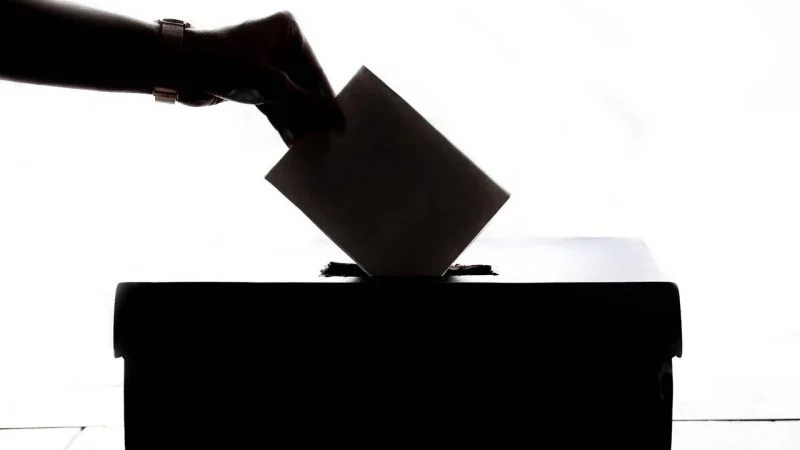
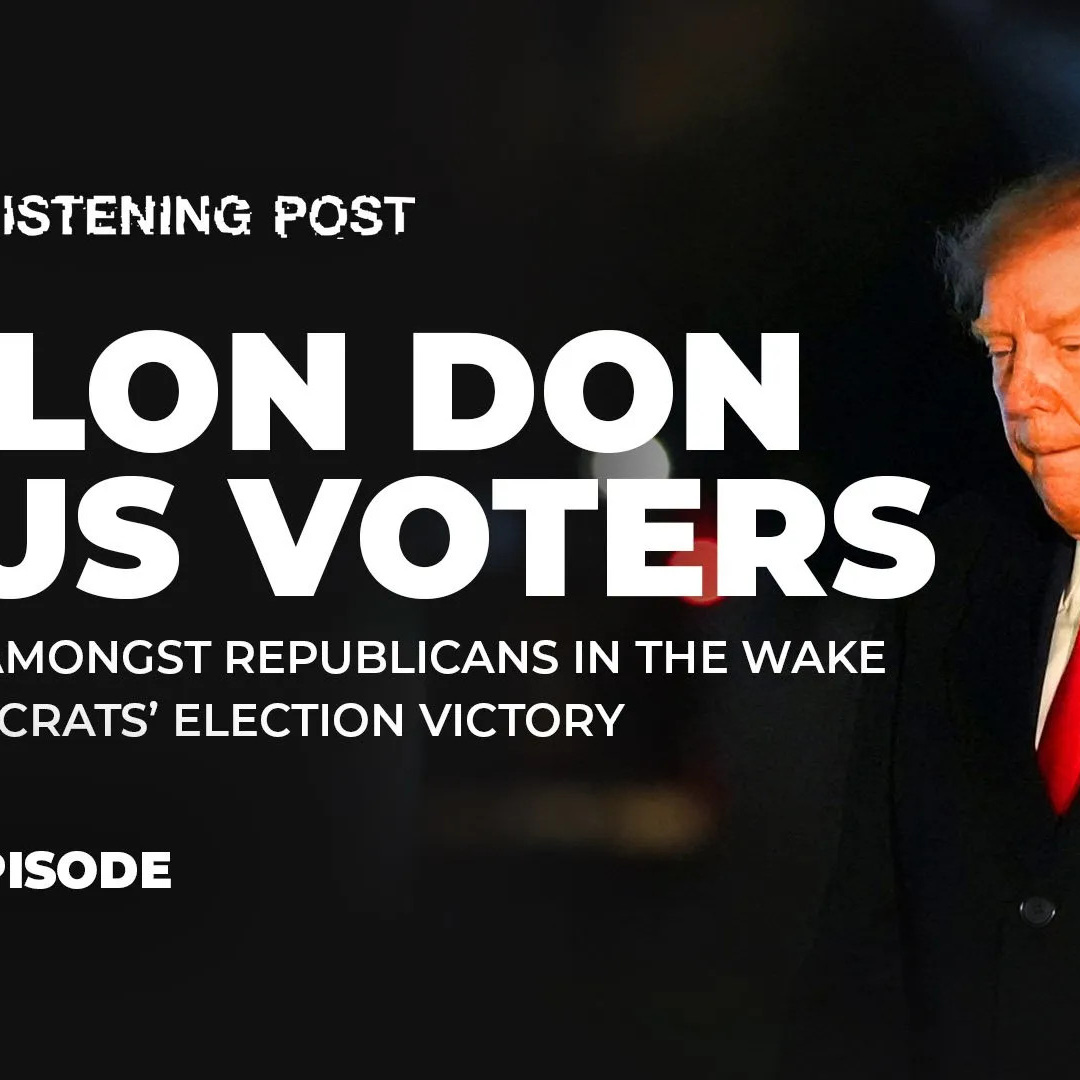
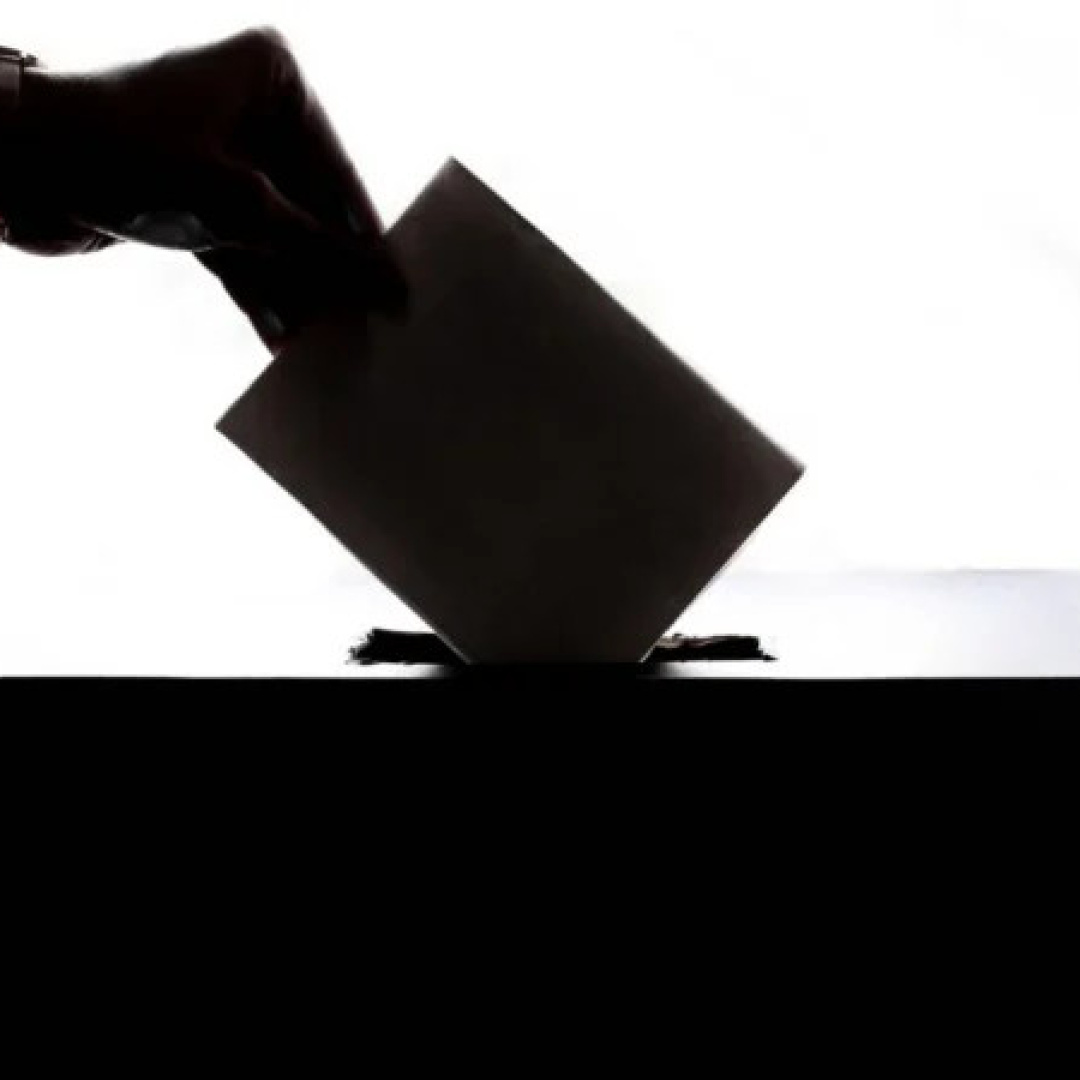
A recent Reuters/Ipsos poll has highlighted a concerning trend for the Republican Party as the 2026 U.S. midterm elections draw nearer. The poll reveals that only 30% of individuals who voted for Donald Trump in the 2024 presidential election express strong enthusiasm for participating in the upcoming midterms. In stark contrast, 48% of Biden voters report a similar level of enthusiasm. This enthusiasm gap could have significant implications for Republican turnout and overall election outcomes.
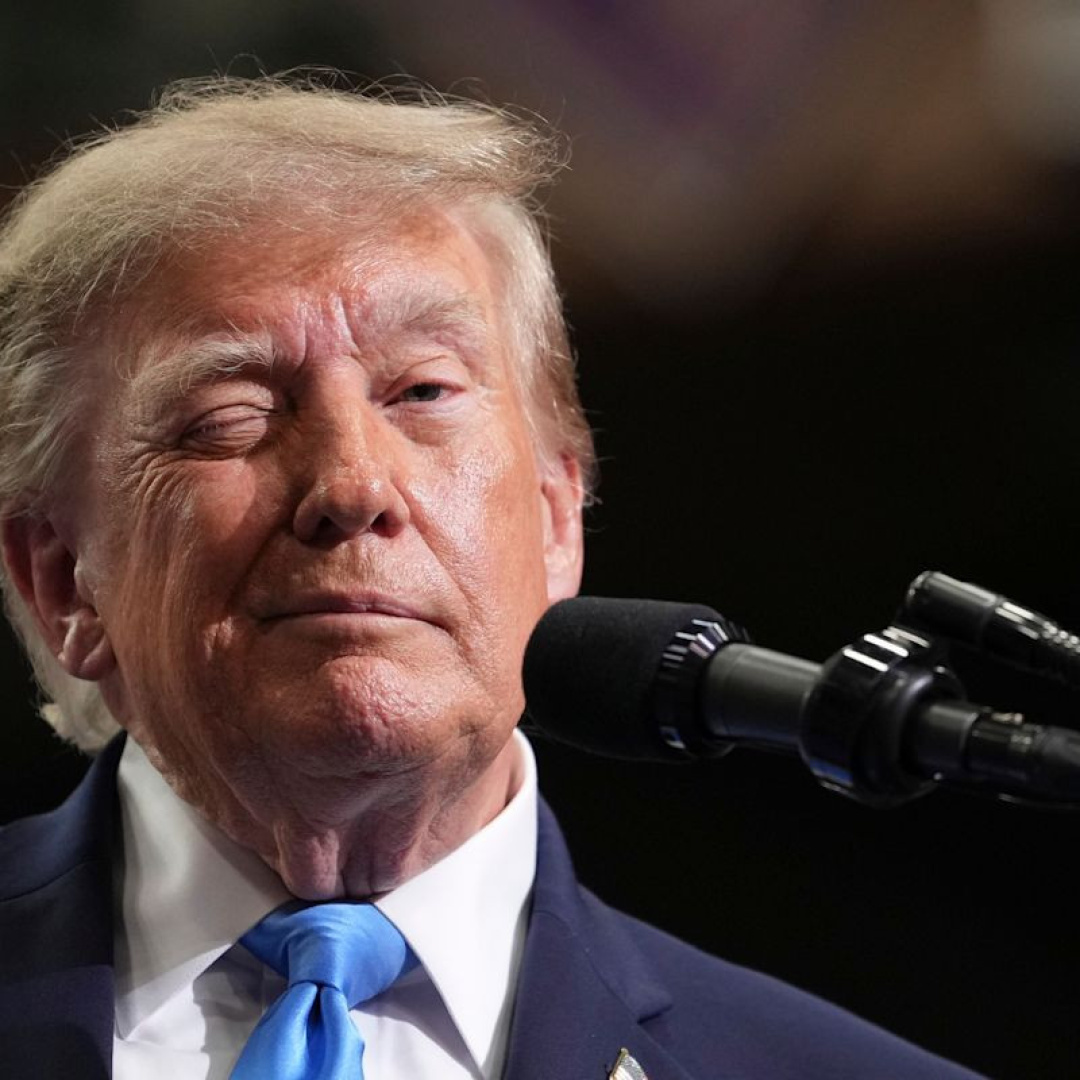
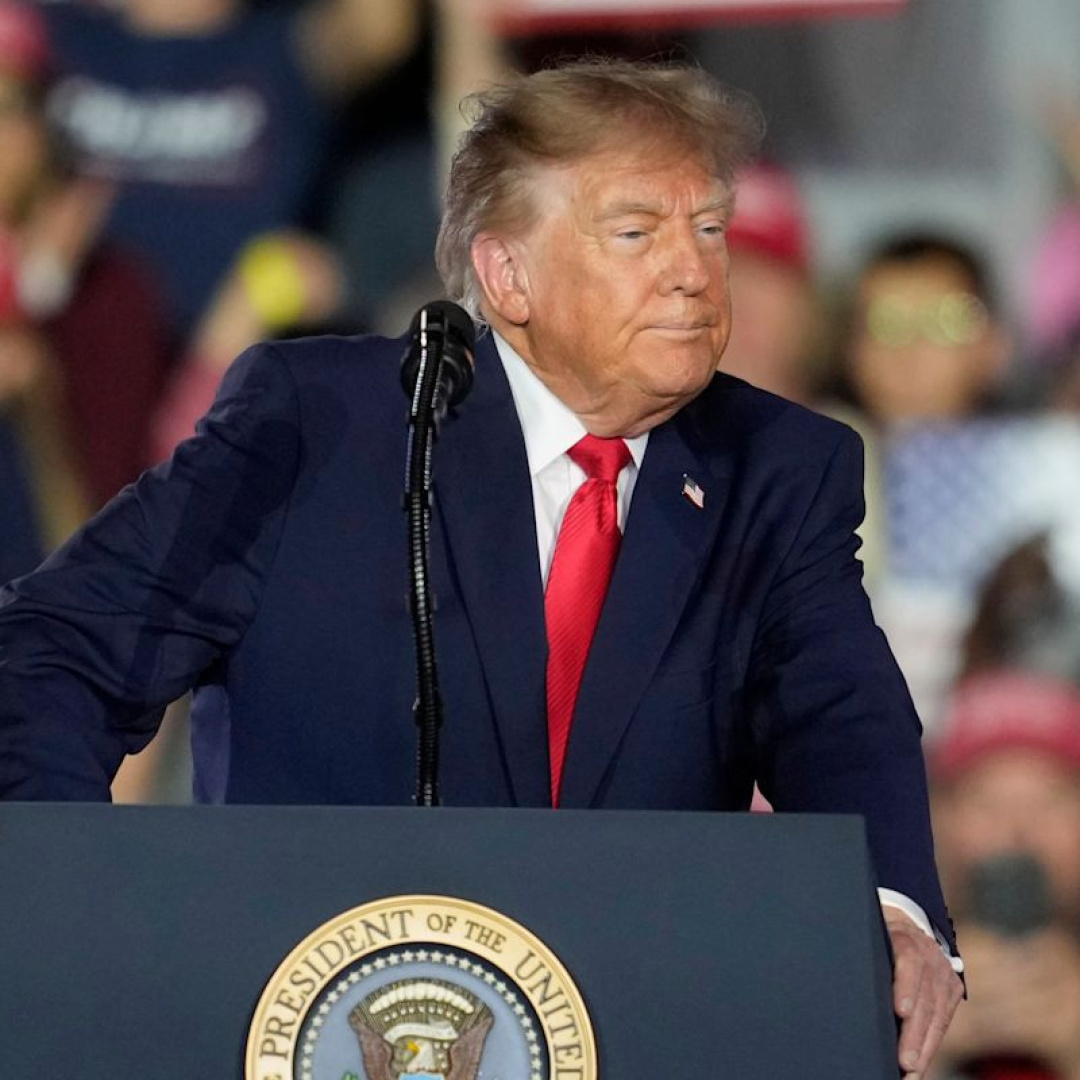
Trump's current approval rating stands at 32%, with a disapproval rate of 65%. These figures suggest that the former president's influence may be waning, which could complicate the electoral landscape for Republican candidates. The poll also indicates a substantial lead for Democrats among Hispanic voters, a demographic that has increasingly shifted in their political alignment, potentially affecting key races across the nation.
Common Sense Shop
The United States of Common Sense
Amazon shopping links. Sponsor Complete!
Political analysts and market participants are closely monitoring these developments, as shifts in voter enthusiasm could impact not only individual races but also broader political dynamics heading into the midterms. The Florida governor race, in particular, is under scrutiny, as low motivation among Republican voters could diminish the party's chances in this critical contest.
Polling Trends and Republican Strategies Ahead
As the midterms approach, observers will be looking for further polling data to assess whether this trend of declining enthusiasm persists. The implications of these findings are profound, as they may influence not just the outcome of the elections, but also the future direction of the Republican Party and its strategies moving forward.
The Common Sense Test
The potential challenges highlighted by the poll necessitate a reevaluation of strategies among Republican candidates. With Trump’s diminished approval ratings and the enthusiasm gap, it is imperative for the GOP to galvanize its base and address the concerns of its voters. The party must focus on energizing its supporters and presenting a compelling vision that resonates with the electorate, particularly in states where demographic shifts could play a pivotal role in the outcome.
In conclusion, the findings of this poll serve as a wake-up call for the Republican Party. The need to engage voters effectively and counteract the enthusiasm gap cannot be overstated. As the political landscape continues to evolve, the ability of Republican candidates to adapt and respond to these challenges will be crucial in determining their success in the upcoming midterm elections.