AfD Secures First Speaker Position in German State Parliament
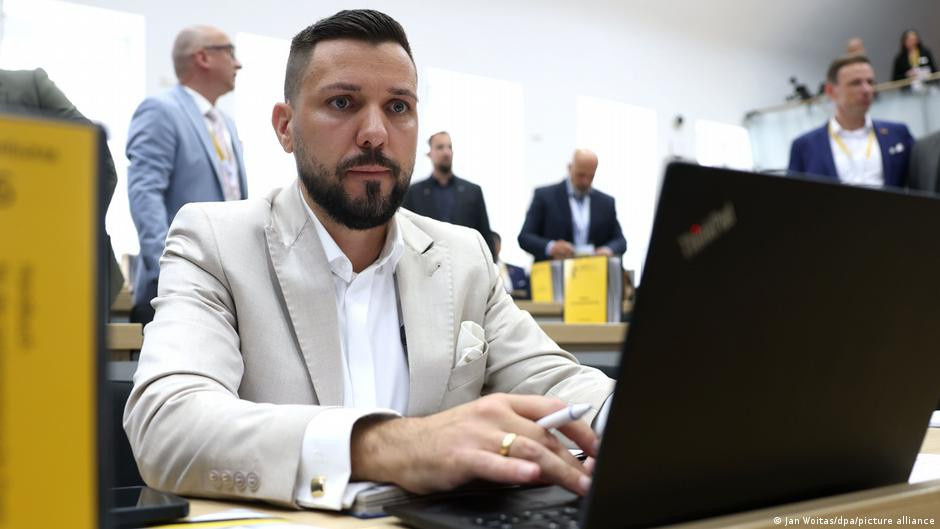
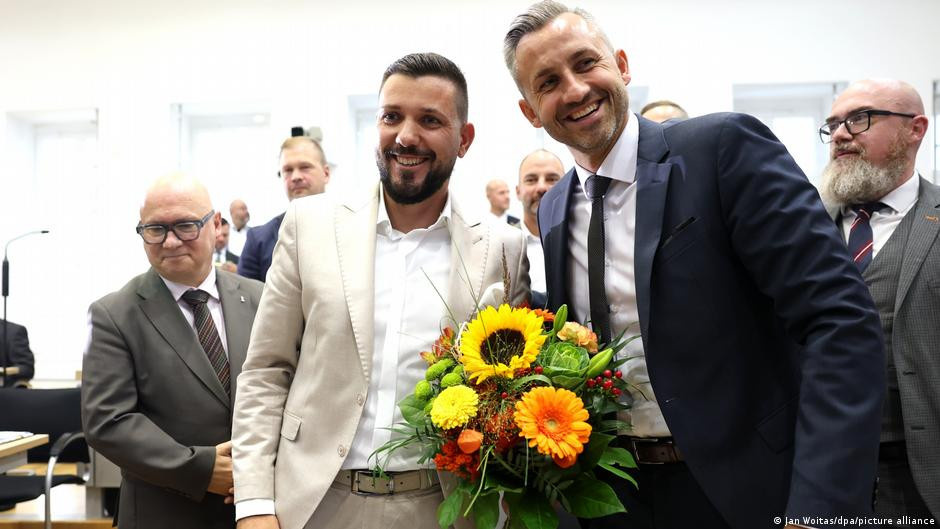
In a historic development for German politics, the far-right Alternative for Germany (AfD) has secured the speaker position in Saxony-Anhalt's state parliament, with Tobias Rausch elected to the role. This election follows the AfD's impressive performance in the recent regional elections, where the party garnered 44% of the vote. Rausch's election represents a significant shift in the political landscape, as he becomes the first member of the AfD to hold such a position since the party's founding.
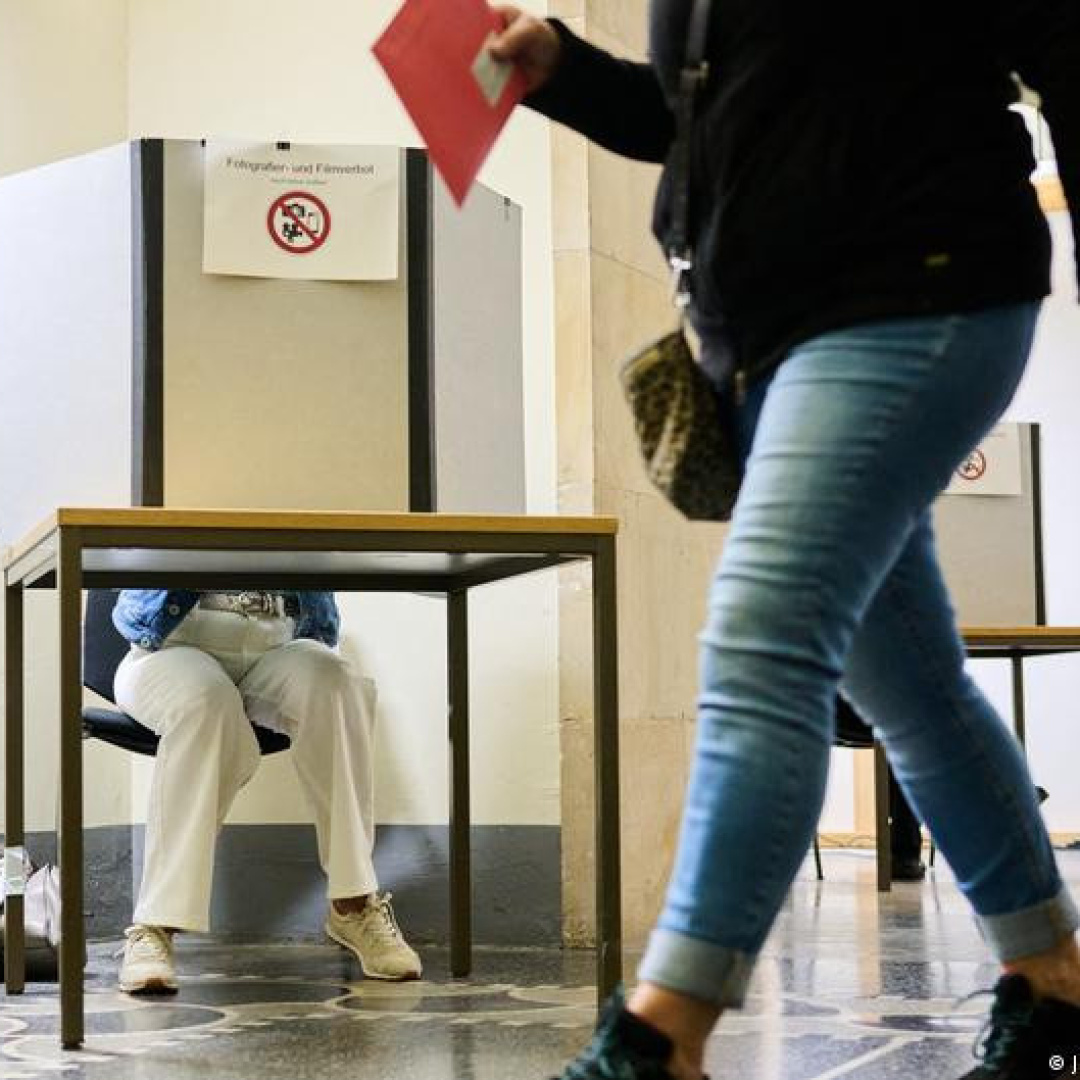
Rausch received 48 votes in favor and 29 against during the secret ballot, with five abstentions from the total of 82 eligible votes. The AfD holds 39 seats in the parliament, and their coalition with the populist BSW party, which has five seats, provided the necessary support for Rausch's election. This coalition has sparked controversy, as many lawmakers from other parties have historically refused to work with the AfD, which is classified as a right-wing extremist party by domestic intelligence.
Common Sense Shop
The United States of Common Sense
Amazon shopping links. Sponsor Complete!
The election of Rausch has prompted significant backlash from opposition parties. The center-left Social Democrats have demanded clarity from the Christian Democratic Union (CDU) regarding how their members contributed to Rausch’s election, given that the CDU leadership had recommended abstaining from the vote. Tim Klüssendorf, the party's general secretary, criticized the decision to support Rausch, labeling it a "disastrous decision" that undermines democratic values in Germany.
In addition to Rausch, Hans-Thomas Tillschneider from the AfD was elected as one of the deputy speakers, further solidifying the party's presence in the state parliament. Tillschneider, an established figure within the AfD, has a history of controversial statements regarding Islam and immigration, and his election is seen as a continuation of the AfD's hardline stance on these issues.
Rising Acceptance of Far-Right Politics
The implications of Rausch's election extend beyond the state parliament. It signals a growing acceptance of far-right politics in Germany, raising concerns among opponents about the potential normalization of extremist views. The outgoing premier of Saxony-Anhalt expressed confusion over the additional votes that supported Rausch, indicating a rift within the CDU regarding their approach to the AfD.
The Common Sense Test
As the AfD continues to gain traction, the question remains whether they can effectively govern and what this means for Germany's political future. The party's hardline policies on immigration and national identity resonate with a segment of the electorate disillusioned with traditional parties, but the broader implications for social cohesion and democratic norms are yet to be fully understood.
The election of a speaker from the AfD represents a critical juncture for Germany. As the party seeks to expand its influence, the response from established parties will be crucial in determining whether this trend continues. The AfD's rise raises important questions about the future of German democracy and the potential for increased polarization within the political landscape. The challenge for traditional parties will be to address the concerns of their constituents without compromising democratic principles, a balancing act that will be closely watched in the coming months.