Widespread Protests Erupt Across Europe Over Housing, Education, and Immigration
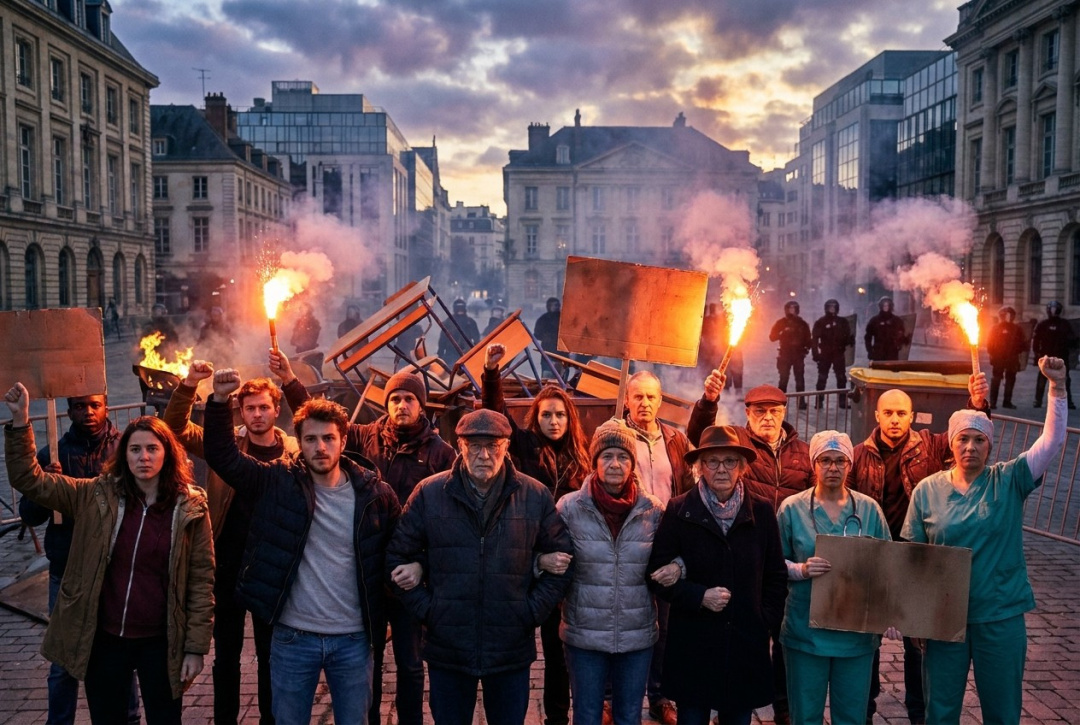
Protests and strikes have erupted across several European nations, including France, Germany, Spain, and Belgium, as citizens voice their frustrations over rising housing costs, cuts to education, and the prioritization of military spending over domestic needs. Government officials attribute these policies to budget constraints and security concerns, but protest organizers argue that essential services are being neglected in favor of military preparations.
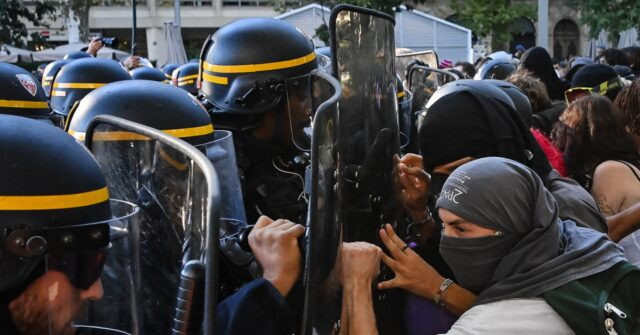
In Spain, tens of thousands of demonstrators took to the streets in approximately 50 cities last weekend, calling for action on housing issues. Meanwhile, in France, student protests that began in mid-September over teacher cuts and inadequate building repairs have expanded to include a broader coalition of workers, including teachers, healthcare professionals, firefighters, and transport staff. Reports indicate that around 266,000 people participated in nationwide demonstrations, with over 6,500 arrests occurring over the past three weeks, and injuries reported among both protesters and police.
Common Sense Shop
The United States of Common Sense
Amazon shopping links. Sponsor Complete!
The situation in Ceuta, Spain, has become particularly dire, as the area has seen a significant influx of migrants from Morocco, overwhelming local services. Residents are demanding stronger border controls and quicker deportations, expressing feelings of abandonment by the government. The civil guard has reported multiple incidents of violence, including serious crimes against women, leading to heightened fears among local residents.
As protests continue, the European public is increasingly vocal about their dissatisfaction with government priorities. While leaders in Brussels and national capitals push for increased military spending in response to perceived threats, many citizens are more concerned with immediate issues such as affordable housing, job security, and access to quality education. The protests have included various forms of civil disobedience, including school blockades and strikes, and in some instances, clashes with law enforcement.
Economic Strain Amidst Social Unrest
Germany's industrial sector is also feeling the pinch, as the loss of affordable Russian energy has compounded existing challenges, leading to job losses and increased pressure on manufacturers. The combination of rising energy costs, tariffs from the United States, and competition from China has created a perfect storm for many businesses struggling to stay afloat.
The Common Sense Test
As unrest continues to grow, it remains uncertain whether European leaders will heed the calls for change or persist in their current military-focused agenda. The significant public outcry indicates a demand for a shift in priorities, emphasizing the need for governments to address the pressing concerns of their citizens rather than solely focusing on military preparedness.
Ultimately, the ongoing protests serve as a reminder of the disconnect between European governments and their citizens. As the public continues to demand attention to critical domestic issues, the question remains: will leaders adjust their priorities in response to the voices of the people, or will they continue to prioritize military spending at the expense of essential services? The outcome of this struggle will have lasting implications for the future of governance in Europe, as citizens seek to reclaim their voices in the political process.