Iran War Costs U.S. Military 81 Aircraft, Raising Readiness Concerns
The U.S. military has sustained significant losses during the ongoing war with Iran, with a recent government analysis revealing that at least 81 aircraft have been lost or damaged. This figure is nearly double the 42 aircraft identified by the Congressional Research Service (CRS) five months ago, though the increase partly reflects additional information that has become available rather than all new losses. The report highlights the potential strain on military readiness as the U.S. grapples with the implications of these losses.
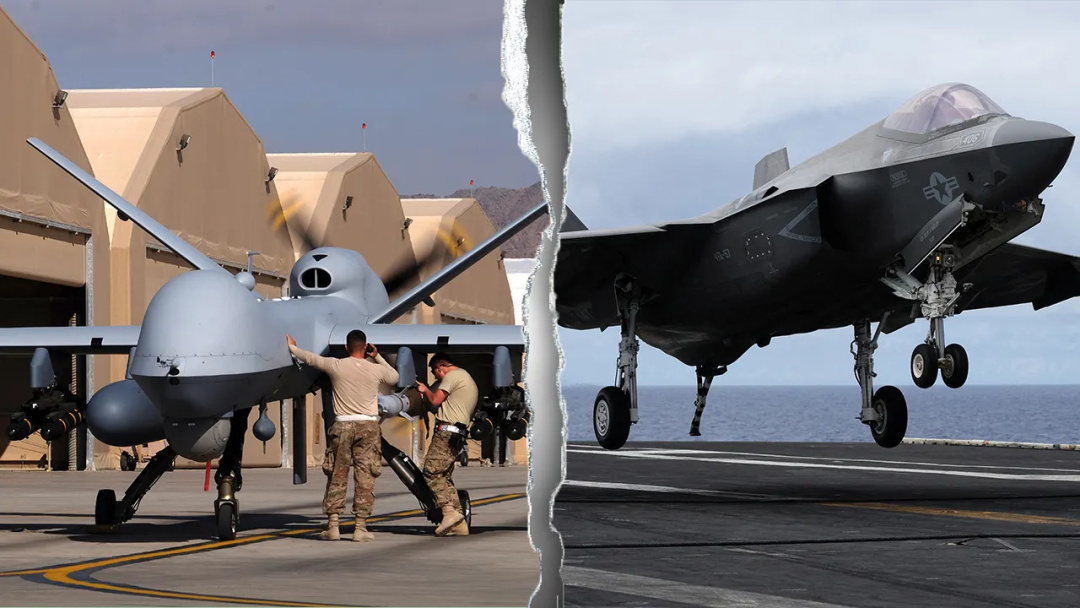
Among the aircraft reported lost or damaged are 12 F-15E Strike Eagles, an F-35A Lightning II, seven KC-135 refueling tankers, an E-3 Sentry airborne warning-and-control aircraft, and 45 MQ-9 Reaper drones. The CRS cautions that such losses, particularly among aging and high-demand aircraft, could create capability gaps and increase risks in other theaters of operation. The military's ability to replace these critical assets may be hampered by production constraints and competing demands.
Common Sense Shop
The United States of Common Sense
Amazon shopping links. Sponsor Complete!
The losses have occurred due to a mix of Iranian attacks, enemy fire, friendly fire incidents, accidents, and aircraft destroyed during rescue operations. Notably, some damaged aircraft have returned to service, but the overall toll on the fleet raises questions about the military's operational capacity. A Department of War official declined to comment on the CRS report, stating that they do not discuss assessments from outside organizations.
The report comes at a time when U.S. weapons stockpiles are being tested, with a Pentagon inspector general report indicating that an estimated $22.3 billion has been spent on munitions through June alone, highlighting concerns about strategic inventory shortfalls. The Congressional Budget Office has estimated that replacing equipment lost through early August could cost between $1.9 billion and $3.3 billion, depending on the Department of War's replacement plans.
Significant Losses in Drone Fleet
Drones have accounted for more than half of the aircraft in the new tally, with at least 45 MQ-9 Reapers lost during operations against Iran, along with three MQ-1 drones and an MQ-4C Triton. While drones make up a significant portion of the losses, the report also emphasizes the impact on less common, harder-to-replace aircraft. For instance, an E-3 Sentry was severely damaged in an Iranian attack on Prince Sultan Air Base in Saudi Arabia, illustrating the vulnerabilities faced by the U.S. fleet.
The Common Sense Test
As the conflict continues, the damage inflicted on U.S. aircraft while on the ground at various bases across the region has also been significant. Reports indicate that five KC-135 tankers were damaged at Prince Sultan Air Base in March, while eight F-15Es sustained light damage during an Iranian strike on Muwaffaq Salti Air Base in Jordan in September. These incidents underscore the ongoing threats to U.S. military assets in the region.
The implications of these losses may prompt Congress to examine whether the U.S. industrial base can effectively replace aircraft quickly enough to meet military requirements. The report raises broader operational questions about whether the losses reflect changes in Iran's capabilities that necessitate adjustments in U.S. equipment, tactics, or basing strategies.