Punjab Government Appeals Supreme Court to Halt CBI Investigation
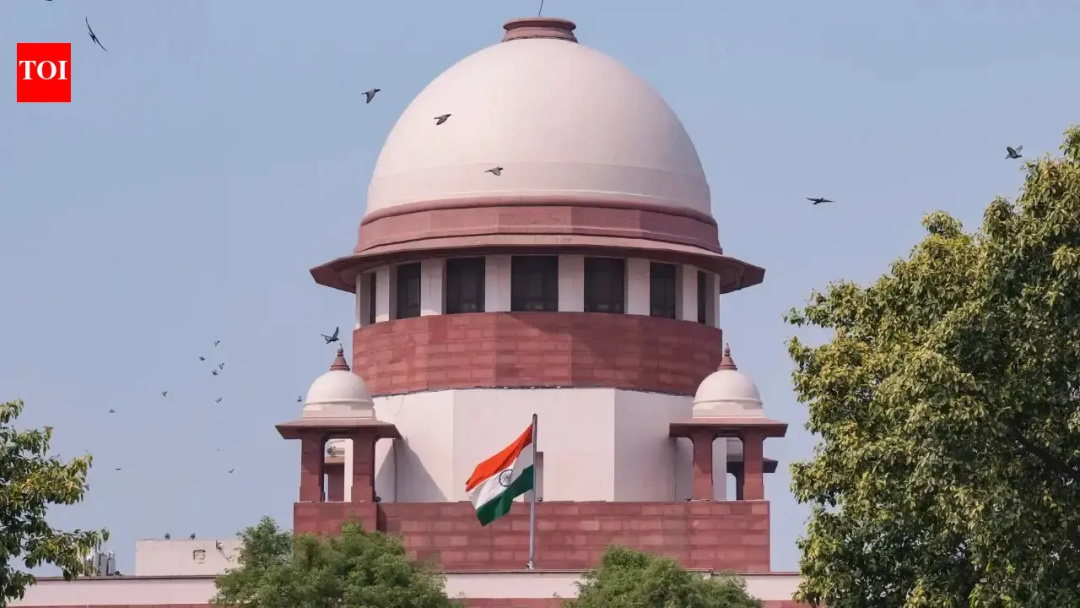
The Punjab government, led by Chief Minister Bhagwant Mann, has moved to the Supreme Court for an urgent hearing to contest a High Court order that directed the Central Bureau of Investigation (CBI) to probe corruption allegations linked to Mann's officer on special duty (OSD). This legal maneuver comes on the heels of CBI searches at Mann's camp office in Chandigarh, which were initiated following the High Court's ruling. The court's order was based on allegations from the Enforcement Directorate (ED) suggesting that a bribe syndicate had been influencing key government actions, including transfers, postings, and policy decisions through Mann's OSD.
In its appeal, the Punjab government expressed concerns about potential coercive actions by the CBI against high-ranking officials if the High Court's order is not stayed. Senior advocate Vikas Singh, representing the state, argued that the High Court had dismissed the state's preliminary objections and had not allowed sufficient time for the Punjab Police to conduct its own inquiry into the allegations. Singh emphasized that the CBI's involvement could lead to irreversible consequences for public functionaries based on unverified information.
Common Sense Shop
The United States of Common Sense
Amazon shopping links. Sponsor Complete!
The High Court's decision to order a CBI investigation stemmed from what it deemed a failure to act on the evidence provided by the ED, which included claims of a cash-for-transfers scheme and other corrupt practices substantiated by WhatsApp communications. The Punjab government contended that the High Court erred in its judgment, particularly since the state had previously withdrawn consent for the CBI to operate within its jurisdiction without exceptional circumstances justifying such an investigation.
Supreme Court Hearing and Political Implications
The Supreme Court has indicated that the state's petition will be scheduled for hearing either Wednesday or Thursday, amidst concerns that the ongoing legal proceedings could significantly impact the political landscape in Punjab, particularly with elections on the horizon. The implications of this case are substantial, as they touch on issues of federal authority and the integrity of governance in the state.
The Common Sense Test
The Punjab government's appeal underscores the tension between state and federal powers, particularly regarding the CBI's role in investigating corruption. As the case progresses, it will be critical to observe how the courts balance these interests and what precedents may be set regarding the investigation of public officials.
In navigating this complex legal situation, it is essential to consider the broader implications for governance and accountability. The allegations of corruption raise serious questions about the integrity of public office and the mechanisms in place to address such issues. While the pursuit of justice is paramount, it is equally important to ensure that due process is upheld and that political motivations do not overshadow the legal proceedings. As this case unfolds, it will serve as a litmus test for the principles of accountability and transparency in governance, reminding us that the rule of law must prevail over political expediency.