Record U.S. Crude Oil Production Fails to Alleviate Diesel Shortage
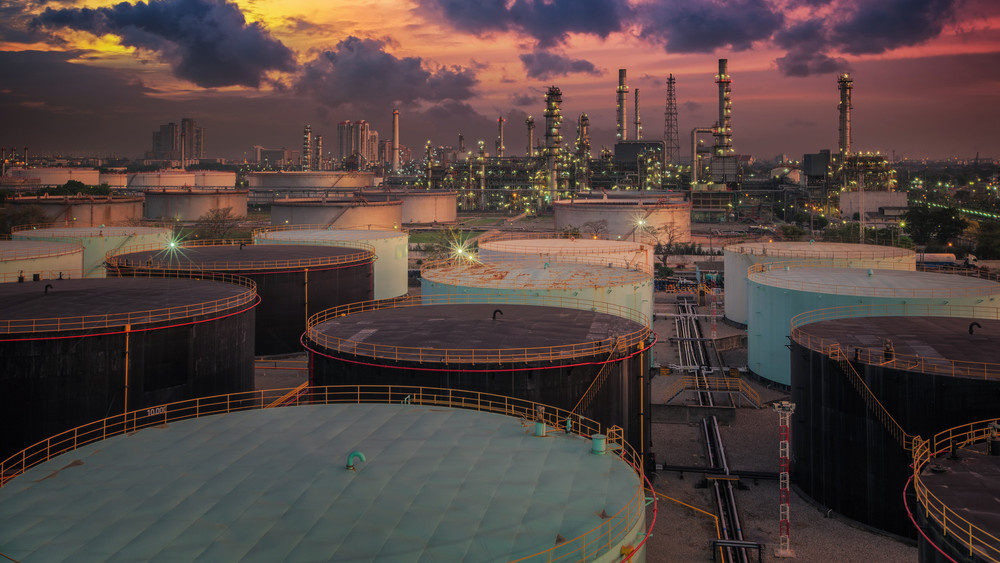
The United States is producing more crude oil than ever, with the Energy Information Administration (EIA) projecting an average of 13.8 million barrels per day in 2026, surpassing last year's record. However, this surge in crude production has not alleviated the rising diesel prices, which have recently hit record highs, nor has it improved the unusually low distillate inventories. The EIA forecasts that these inventories will remain below the five-year average through much of 2027, dipping below 100 million barrels for the first time in over two decades. This paradox raises an important question: if crude oil production is at an all-time high, why can’t refiners produce more diesel?
The answer lies in the fundamental difference between crude oil and its refined products. Crude oil must be processed in refineries to create diesel, gasoline, jet fuel, and other petroleum products. While the U.S. may have a record amount of crude oil, the real bottleneck occurs at the refining stage. A common misconception is that refiners can simply adjust their production to meet demand for diesel or gasoline. While they have some flexibility, it is constrained by the chemistry of the crude, the design of the refinery, and the specific equipment available at each facility.
Common Sense Shop
The United States of Common Sense
Amazon shopping links. Sponsor Complete!
For instance, a typical 42-gallon barrel of crude yields approximately 19 to 20 gallons of gasoline and 11 to 13 gallons of ultra-low-sulfur distillate, primarily diesel. In 2025, distillate accounted for about 30% of total U.S. refinery yield, while gasoline made up nearly 46%. Although refiners can tweak their operations to some extent, a refinery optimized for a specific product mix cannot simply double its diesel output in response to high prices.
Current refinery utilization rates are also a limiting factor. U.S. refineries operated at around 96% capacity during the third quarter, responding to strong refining margins. With such high utilization, there is little idle capacity to increase production further. Maintenance is another critical aspect; refineries cannot run indefinitely at peak rates without periodic inspections and repairs.
Moreover, U.S. refining capacity has slightly declined, with the EIA reporting a decrease to approximately 18.2 million barrels per day at the start of 2026. This reduction does not indicate a collapse but suggests that existing refineries have expanded their operations over time. However, it does mean there is no significant reserve capacity to offset global supply losses.
Building additional refining capacity is a lengthy and expensive process, requiring billions of dollars and years of construction. The uncertainty surrounding future demand, environmental regulations, and fuel efficiency standards complicates investment decisions in this sector.
Global Factors Driving Diesel Prices Up
The diesel crisis is not solely a domestic issue; it is also influenced by global market dynamics. The EIA noted that U.S. distillate inventories fell below the five-year range as supplies from the Middle East, Russia, and China dwindled. U.S. refiners have responded by exporting more diesel to international markets, where prices are higher, resulting in net distillate exports reaching five-year highs in 2026.
Europe faces a particularly challenging situation, having reduced its refining capacity over the past decade. With several traditional suppliers constrained, European buyers are competing fiercely for available diesel, driving prices higher in the U.S. market as well.
The interconnected nature of petroleum markets means that high U.S. crude production does not automatically lead to lower diesel prices. Domestic prices reflect both local supply conditions and what international buyers are willing to pay.
The Common Sense Test
This situation raises further questions about the wisdom of allowing refiners to export diesel when domestic inventories are low. The Trump administration previously considered restricting diesel exports, which could have increased domestic supply and lowered prices. However, such a move could also disrupt the broader market dynamics, as refiners optimize production across all petroleum products.
The current diesel shortage serves as a reminder that energy security is not solely about crude oil production. It encompasses refining capacity, inventory management, and the global network of supply chains that convert crude oil into usable products. Until global refining output recovers and inventories are replenished, the U.S. can remain the largest crude oil producer while simultaneously grappling with high diesel prices. The diesel shortage highlights the complexities of the oil market and the need for a comprehensive approach to energy policy that goes beyond simply increasing crude production.