U.S. Moves B-1 Bombers from UK Amid Iran-Linked Threat
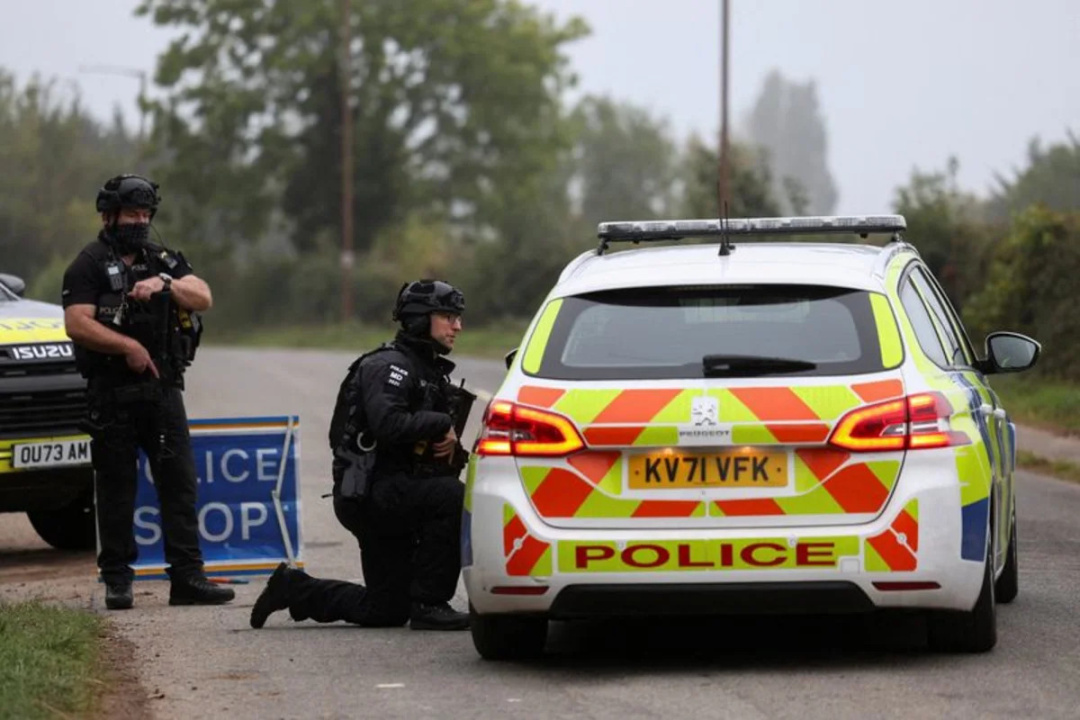
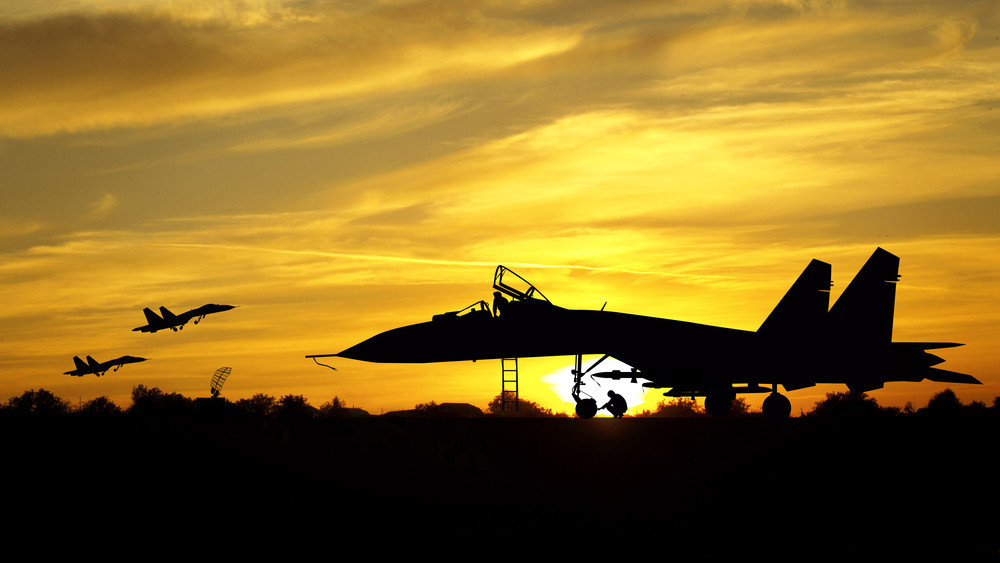
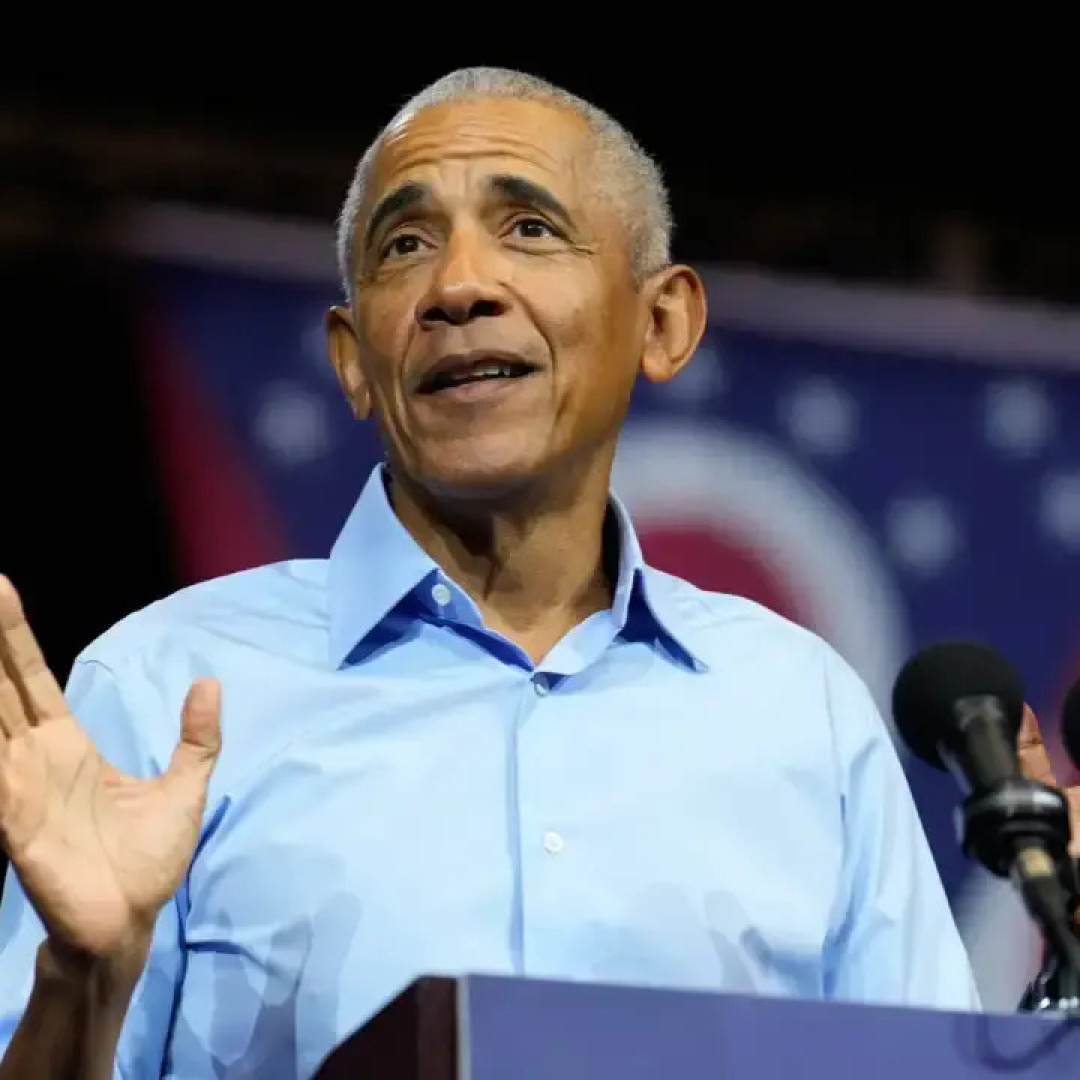
In a significant military decision, President Trump confirmed the removal of American B-1 bombers from RAF Fairford in the UK, citing a threat linked to Iran. The bombers, which had been stationed at this key European base, were recently utilized in operations against Iranian targets. The urgency of the move was underscored by the recent arrest of five British men near the base on suspicion of preparing terrorist acts, a situation that Iran's Revolutionary Guards had previously deemed a legitimate target. Trump stated, "We had an idea that there might be a threat, and why would I leave them there? It costs very little money to move them." He emphasized the importance of precautionary measures in the face of potential danger, asserting that the individuals behind the threat were indeed connected to Iran.
Vice President JD Vance echoed Trump's sentiments, explaining that the U.S. is exercising extreme caution due to Iran's long history of terrorism against American interests. However, Secretary of State Marco Rubio clarified that there was no direct connection between the bombers' removal and the suspected Iranian plot, suggesting that the Pentagon routinely reallocates resources as necessary.
Common Sense Shop
The United States of Common Sense
Amazon shopping links. Sponsor Complete!
A NATO military source affirmed the ongoing belief that Iran poses a significant threat to U.S. assets in the UK. British Prime Minister Andy Burnham also indicated that any potential plot likely had Iranian backing, while Iran has dismissed such allegations as baseless. Foreign Minister Abbas Araqchi responded to the accusations, asserting that they were unfounded and indicative of a broader misunderstanding of Iran's intentions.
The strategic importance of RAF Fairford cannot be understated; it is one of the few bases in Europe capable of accommodating heavy bombers like the B-1. Historically, it has played a pivotal role in U.S. military operations in the Middle East. Despite the recent redeployment of bombers, the Pentagon has assured that U.S. capabilities for precision strikes remain intact, stating that the bomber force is prepared to respond anywhere, anytime.
Urgent Response to Emerging Threats
Details surrounding the threat remain murky, but reports indicate that the U.S. acted swiftly following new intelligence regarding an Iran-backed plot. The New York Times noted that some bombers were moved while aerial refueling aircraft were still being deployed. This rapid response raises questions about the efficacy of current intelligence assessments and the broader implications for U.S.-UK relations.
The Common Sense Test
The removal of these bombers may temporarily diminish the U.S. military's ability to respond quickly to threats in the region. Experts suggest that while the capacity for immediate action is reduced, the limitations on operations from Fairford were already in place due to the UK's restrictions on offensive strikes against Iran. Future deployments may involve bases in Diego Garcia or other locations in the Gulf, contingent on negotiations with allies and operational security considerations.
In light of the ongoing tensions with Iran, the decision to relocate the bombers reflects a cautious approach to national security. While the immediate threat may have prompted this action, it also highlights the complexities of military strategy in an era of heightened geopolitical risks. As the situation evolves, the U.S. must balance its military readiness with diplomatic efforts to mitigate threats without escalating conflicts unnecessarily. The effectiveness of this strategy will ultimately be tested as new developments unfold in the region.