EU Faces Gas Shortfall This Winter Amid Hormuz Crisis
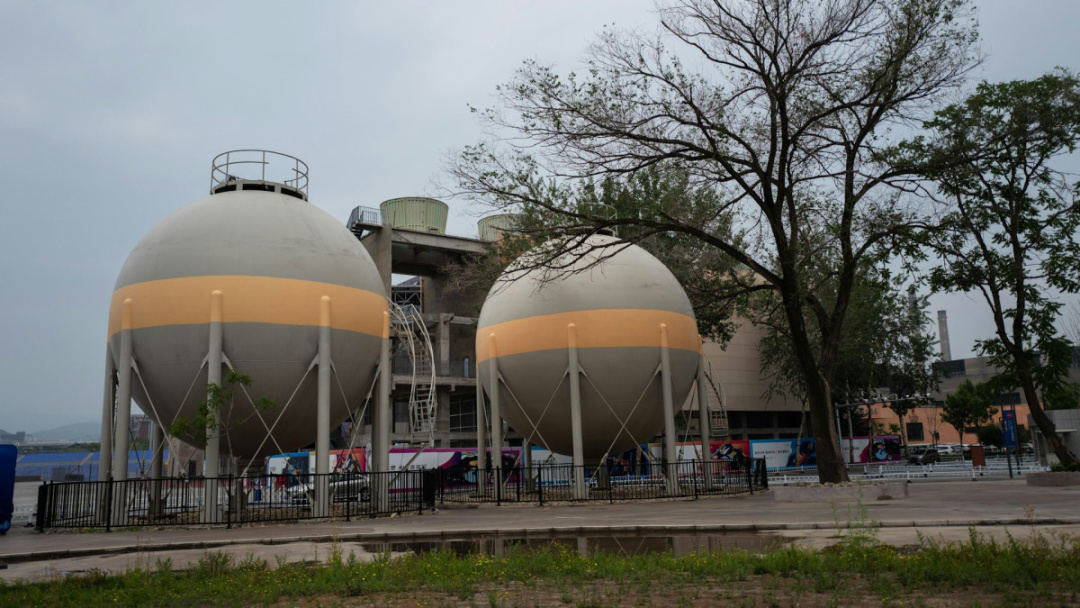
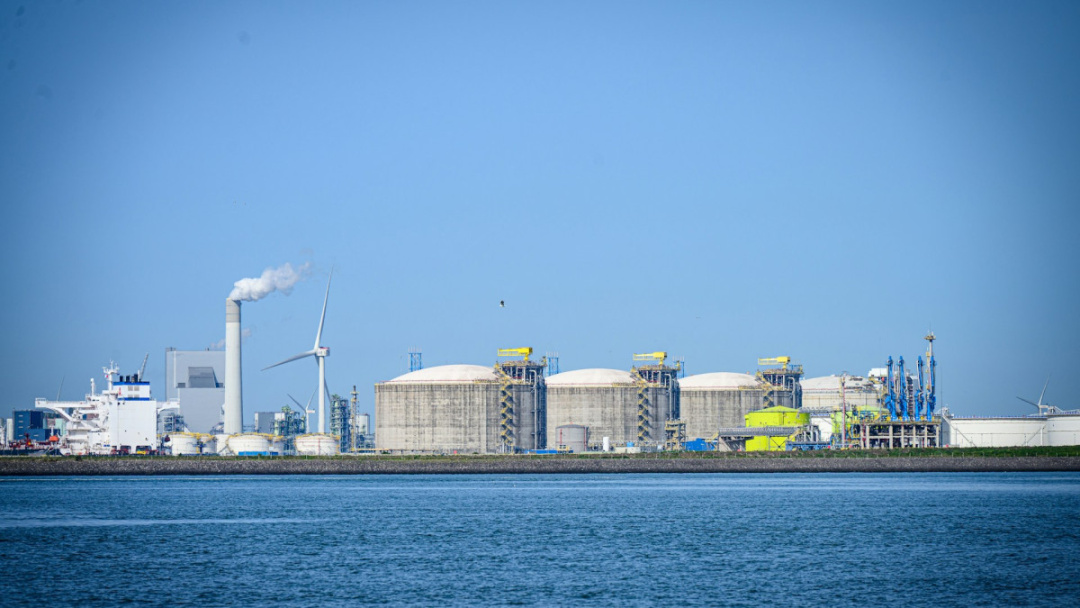
The European Union is facing a critical energy challenge as it heads into winter with historically low levels of natural gas in storage. According to a report from the U.S.-based Institute for Energy Economics and Financial Analysis (IEEFA), the EU's gas storage is currently at around 73% full, the lowest level recorded since 2011. This precarious situation is compounded by the ongoing crisis in the Strait of Hormuz, which has trapped a significant portion of the world’s liquefied natural gas (LNG) supply, leading to soaring prices and potential supply shortages.
The report highlights that the EU may need to reduce its gas demand by 7%, equivalent to approximately 14 billion cubic meters (bcm), compared to the previous winter. This demand reduction is deemed necessary to mitigate the impact of low storage levels and the geopolitical turmoil affecting gas supplies. As of early October, European natural gas prices have surged dramatically, reflecting the tight global market conditions exacerbated by the conflict in Iran.
Common Sense Shop
The United States of Common Sense
Amazon shopping links. Sponsor Complete!
Ana Maria Jaller-Makarewicz, Lead Energy Analyst for IEEFA’s Europe team, notes that the current strain on storage levels underscores the growing liability of Europe’s dependency on gas. The situation is further complicated by the EU's impending ban on imports of Russian LNG, which will take full effect on January 1, 2027. This policy shift raises questions about the bloc's long-term energy strategy and its ability to secure stable supplies amid geopolitical tensions.
Implications of LNG Supply Challenges
In a separate analysis, the European Network Transmission System Operators for Gas (ENTSOG) echoed IEEFA's findings, indicating that even under optimal LNG supply conditions, a colder-than-usual winter would necessitate a 7% reduction in demand. While policymakers have stated that immediate gas shortages are not anticipated, they caution that energy prices are likely to remain elevated as long as the crisis in Hormuz persists.
The Common Sense Test
The implications of these developments are significant for European households and industries alike. With energy bills already soaring, the prospect of further increases due to supply constraints poses a serious challenge to economic stability. The EU must navigate these turbulent waters carefully, balancing immediate energy needs with long-term sustainability goals.
As the EU grapples with these energy challenges, it is crucial to consider the broader implications of its reliance on external gas supplies. The current crisis serves as a stark reminder of the vulnerabilities inherent in global energy markets and the need for a more resilient energy policy. The question remains: how will Europe adapt to ensure energy security while pursuing its ambitious climate goals? This situation demands not only immediate attention but also a reevaluation of energy strategies to safeguard against future crises.