AfD Breaks Political Barrier with Historic Win in Saxony-Anhalt
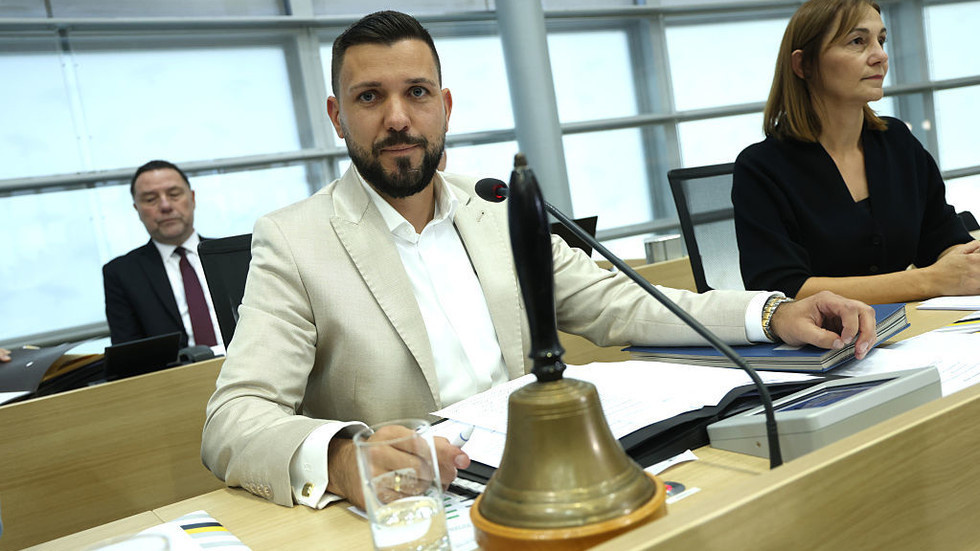
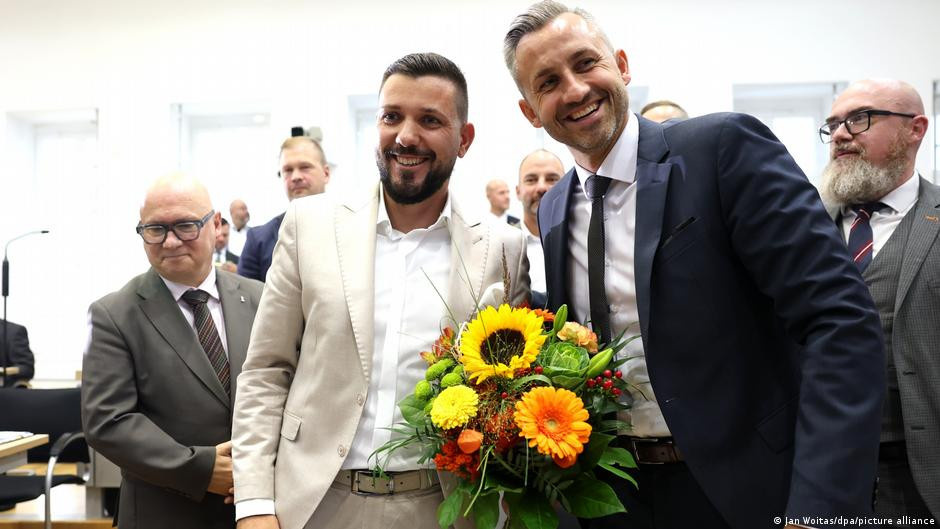
The right-wing Alternative for Germany (AfD) party has achieved a historic milestone by securing the presidency of the Saxony-Anhalt state parliament, a position now held by Tobias Rausch, marking the first time an AfD member has led a German state legislature. Rausch's election was notable not only for the victory itself but also for the claim that he received support from members of Chancellor Friedrich Merz’s Christian Democratic Union (CDU), which traditionally has maintained a distance from the AfD due to its controversial positions.
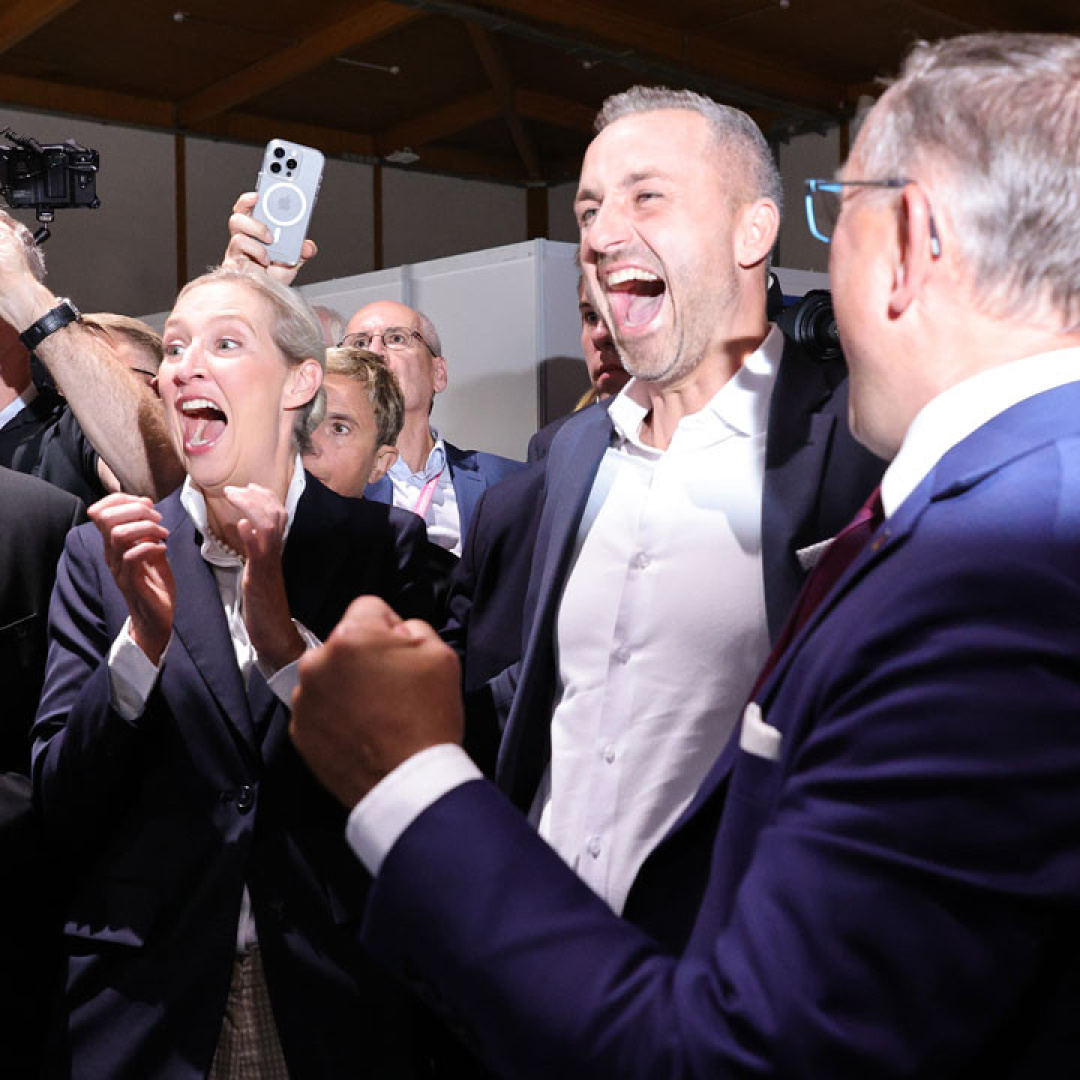
The AfD has emerged as Germany’s most popular party in recent polls, yet it has long faced a so-called ‘firewall’ policy where mainstream parties refuse to engage with it politically. This policy has been a significant barrier, preventing the AfD from gaining broader acceptance in the political landscape. However, the recent election results, where the AfD garnered 43.8% of the vote in Saxony-Anhalt, suggest a shifting tide in public sentiment, as the CDU trailed significantly behind at 17.2%. Merz himself characterized this outcome as his party’s “most serious electoral defeat in decades.”
Common Sense Shop
The United States of Common Sense
Amazon shopping links. Sponsor Complete!
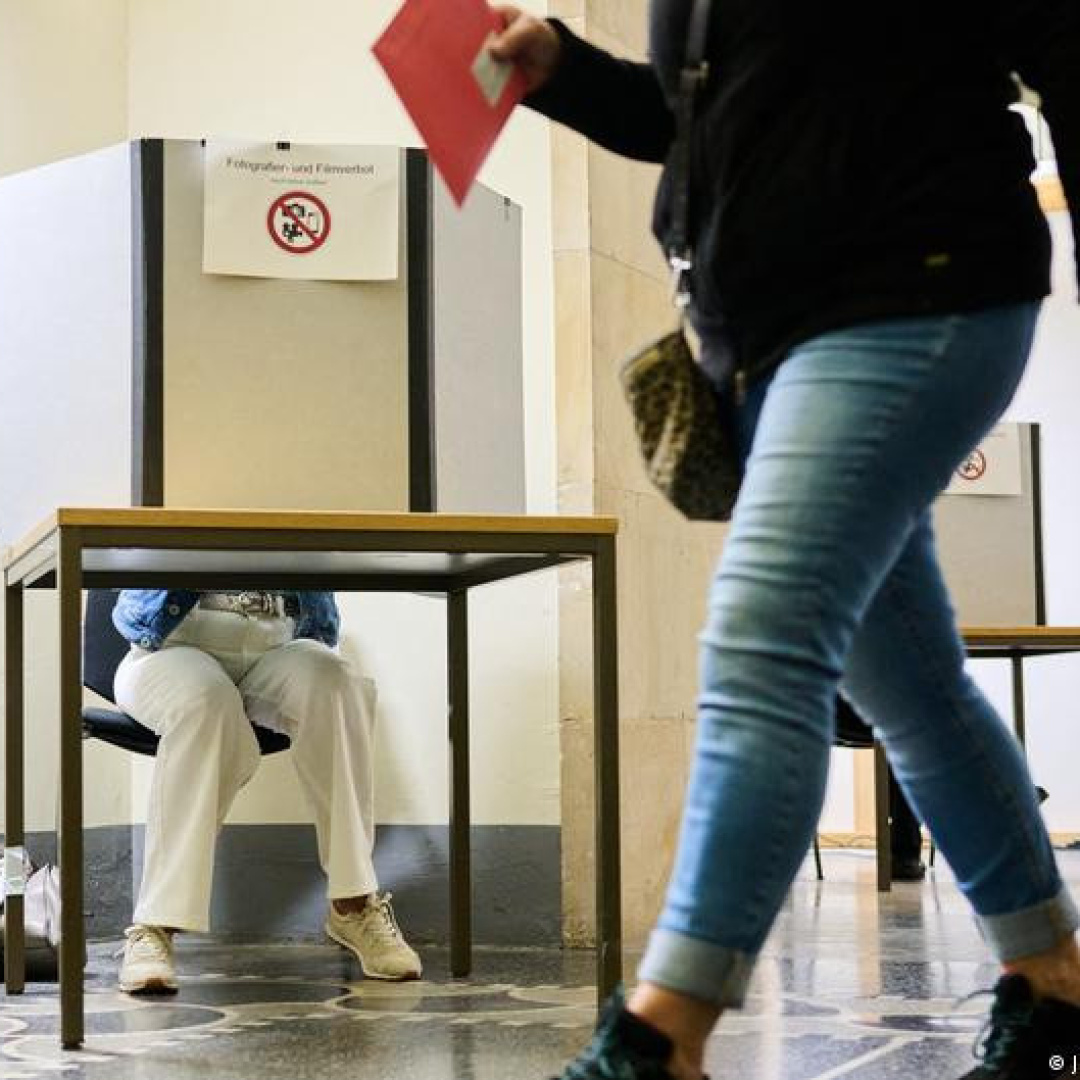
During the election process, Rausch received 48 votes, with 29 lawmakers voting against him and five abstaining. Notably, representatives from the left-wing Sahra Wagenknecht Alliance (BSW) announced their support for Rausch ahead of the secret ballot, allowing the AfD and BSW to collectively hold 44 seats. The CDU parliamentary leadership had advised its members to abstain from voting, while the SPD, the Greens, and The Left opposed Rausch’s election, adhering to the firewall policy that has historically isolated the AfD.
Rausch's Vision for Political Cooperation
Following his election, Rausch expressed confidence that CDU lawmakers had indeed supported him, stating, “Yes,” when asked directly about receiving votes from the CDU. He proclaimed that the era of political ‘firewalls’ should be over, signaling a potential shift in how mainstream parties might interact with the AfD moving forward. This sentiment was echoed by AfD co-chairs Alice Weidel and Tino Chrupalla, who declared an end to the “years of ostracism against our party,” urging the CDU to consider cooperation with them.
The Common Sense Test
The AfD's rise has not come without controversy. Several establishment political figures, including Defense Minister Boris Pistorius, have called for a potential ban on the party, arguing it poses a threat to Germany’s constitutional order and democracy. This scrutiny has intensified following the AfD's victory in the recent regional election in Mecklenburg-Western Pomerania, where it achieved 38.2% of the vote, prompting renewed calls from the SPD for a formal review that could lead to a ban.
Moreover, the AfD has been under the watchful eye of Germany’s domestic intelligence agency due to allegations of right-wing extremism, claims the party vehemently rejects. Despite this, an INSA poll published earlier this month indicated a record 30% nationwide support for the AfD, while the CDU/CSU alliance plummeted to 18%, marking the lowest level ever recorded by the pollster. This dramatic shift in voter sentiment raises critical questions about the future of German politics and the potential for new alliances as the political landscape evolves.