Ohio Blogger Arrested for Sending Crude Meme to State Senator
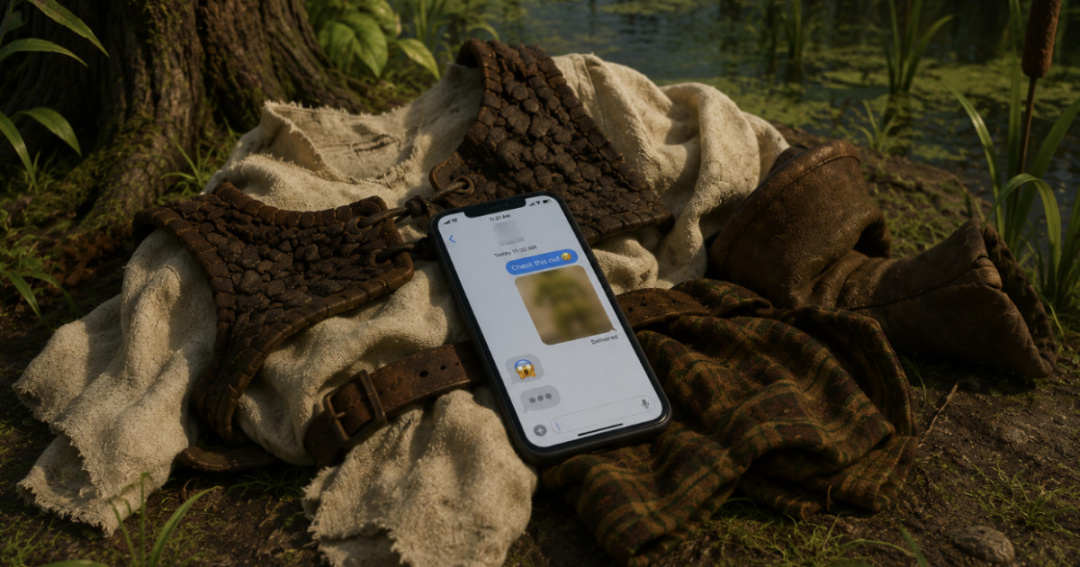
In a bizarre case that has drawn attention to the boundaries of free speech, D.J. Byrnes, a blogger from Ohio, spent 23 hours in jail after sending a crude meme featuring Shrek to State Senator Jerry Cirino. The meme, which depicted the beloved animated character in a compromising position, was sent alongside political commentary that labeled Cirino as "Young Mussolini." This incident has sparked a debate about whether such political mockery can be prosecuted under harassment laws.
Senator Cirino, offended by the text message exchange, took action by emailing the Kirtland Police Chief, requesting that charges be filed against Byrnes. The senator's complaint led to Byrnes' arrest on telecommunications harassment charges, which could carry a punishment of up to six months in jail. The legal question now is whether Byrnes intended to harass, intimidate, or abuse Cirino with his message.
Common Sense Shop
The United States of Common Sense
Amazon shopping links. Sponsor Complete!
The First Amendment provides robust protections for political speech, even when that speech is vulgar or offensive. In general, the government cannot punish individuals for expressing their views about public officials, as long as the speech does not cross into the territory of true threats or obscenity. Byrnes' case appears to fall within the realm of protected speech, as it lacks the characteristics typically associated with harassment.
Legal experts note that for a harassment charge to hold, the prosecution must demonstrate that Byrnes' texts constituted a repeated and unwanted course of conduct aimed at invading Cirino's privacy or disturbing his peace. A few texts, particularly from a single number that can easily be blocked, do not seem to meet this threshold. Moreover, the content of Byrnes' message, while crude, does not appear to have been intended to arouse sexual interest, which is a key factor in determining obscenity under the Miller test established by the Supreme Court.
Understanding the Miller Test's Application
The Miller test requires that material must appeal to prurient interests, depict sexual conduct in a patently offensive manner, and lack serious literary, artistic, political, or scientific value to be classified as obscene. Byrnes' meme, while certainly crude, does not seem to fulfill these criteria. Instead, it appears to be a form of political satire, which is protected under the First Amendment.
The Common Sense Test
Byrnes has publicly stated his belief that the facts will exonerate him in court, emphasizing that his actions were not intended to harass but rather to engage in political commentary. This case highlights the importance of protecting free speech, especially in the context of political discourse, where mockery and satire have long been utilized as tools for criticism.
Ultimately, the question remains: should the government be involved in regulating speech that some may find offensive? The simplest solution for those offended by such messages is to block the sender's number rather than resorting to legal action. This case serves as a reminder of the delicate balance between protecting individuals from harassment and ensuring that the fundamental right to free speech is upheld, particularly when it comes to political expression.