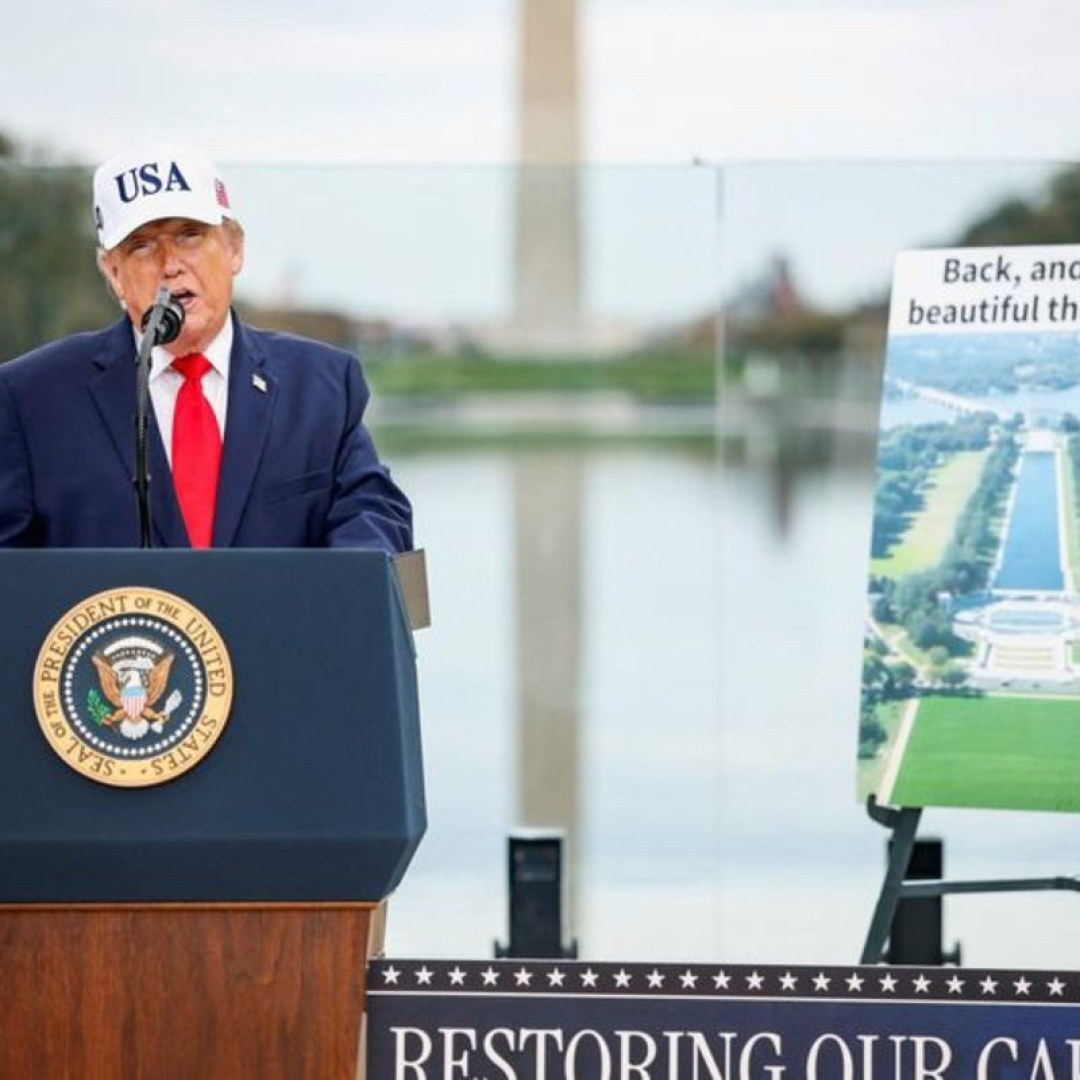
Trump's Reshoring Policies Fuel American Manufacturing Job Growth
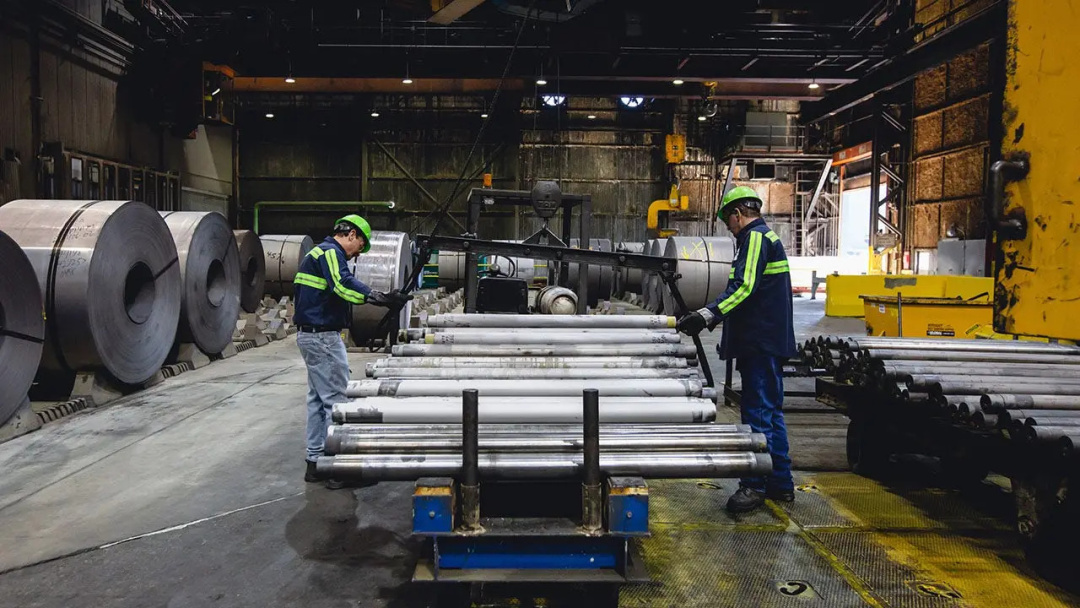
A new report from the Council of Economic Advisers (CEA) indicates a significant resurgence in American manufacturing jobs, largely attributed to the reshoring and tariff policies championed by former President Donald Trump. The report states that 72,000 manufacturing jobs were added in 2026, marking a stark reversal from the previous administration, which saw a loss of approximately 200,000 manufacturing jobs in its final two years. This growth is particularly notable in the manufacturing of durable goods such as metal and transportation equipment, sectors that are critical to the American economy.
One of the most striking developments is the announcement of a massive $15 billion steel plant project in Iowa, which is expected to create over 1,700 jobs. This project exemplifies the positive impact of Trump's policies on blue-collar employment, as companies are increasingly choosing to invest in the United States rather than offshoring jobs. The CEA attributes this trend to Trump's focus on reshoring jobs and implementing tariffs that protect American industries.
Common Sense Shop
The United States of Common Sense
Amazon shopping links. Sponsor Complete!
The One Big Beautiful Bill Act (OBBB) has played a pivotal role in this economic turnaround. This legislation allows manufacturers to take an immediate 100% tax deduction on expenses related to building new factories and purchasing machinery. Such provisions have incentivized companies to reinvest in American workers and infrastructure. For instance, Jergens, a manufacturing company based in Ohio, has expanded operations into Illinois, with its CEO noting that employees are working additional hours and benefiting from the tax incentives that allow them to keep more of their earnings.
Another example highlighted in the report is Ketchie Inc., a North Carolina company that has increased its workforce by 25% due to the OBBB's expensing provisions, enabling them to purchase new machinery. The report emphasizes that manufacturing wages have also seen a substantial increase, with workers earning 7.9% more since January 2025, translating to nearly $2,500 additional income annually when adjusted for inflation.
Broadening Impact on Job Growth Sectors
The CEA's findings extend beyond manufacturing, noting that the construction sector has added 100,000 jobs since Trump took office. Additionally, the semiconductor industry is experiencing a renaissance in the U.S., with significant investments from companies like Micron and Apple, signaling a competitive edge against foreign manufacturing, particularly from China.
The Common Sense Test
Overall, the report asserts that Trump's reshoring and tariff policies have led to an impressive $11 trillion in investments in the United States during his second term. As the midterm elections approach, the economic landscape remains a critical issue for voters, with rising inflation and high costs of living impacting public sentiment. According to a Fox News Poll, many Americans view gas prices and healthcare costs as major concerns, reflecting the ongoing challenges facing the economy.
As the data suggests, the economic policies implemented under Trump have not only reversed job losses but have also fostered a more robust manufacturing sector. However, the upcoming elections will test whether voters attribute these gains to Trump's administration or focus on the lingering economic challenges they face. The effectiveness of these policies in the long term remains to be seen, but the immediate impact on job creation and wage growth is undeniable, presenting a compelling case for the continuation of such economic strategies.